This is part of our Study Spotlight series, where we break down the latest peer-reviewed EMF research into plain language. No hype, no dismissal — just what the science actually says.
The 6 GHz band is the next frontier of wireless technology. WiFi 6E already operates here, WiFi 7 will expand further into it, and 5G networks are eyeing this spectrum for future deployment. In a few years, 6 GHz signals will be as ubiquitous as 2.4 and 5 GHz WiFi is today.
So when a study reports that 6 GHz radiofrequency radiation caused oxidative stress and kidney tissue damage in rats, it deserves attention. But when that same study has critical methodology gaps that make it hard to interpret, it also deserves honest scrutiny.
This one gets both.
What They Did
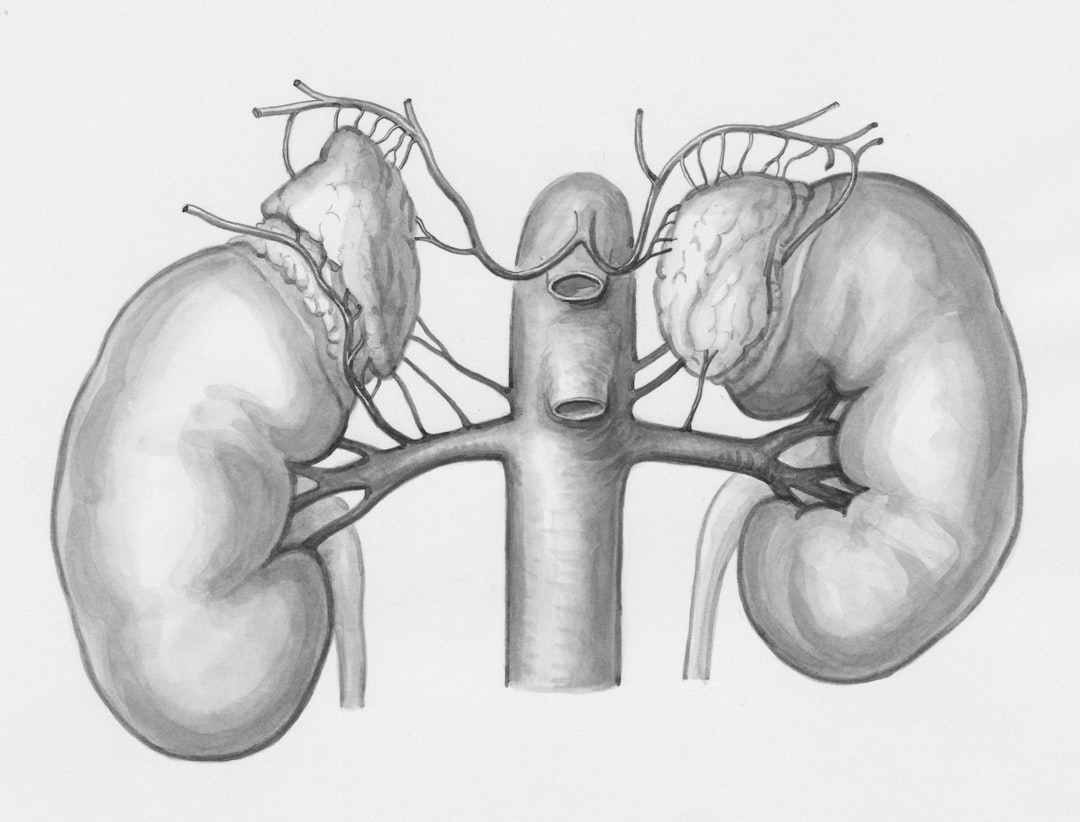
This study from Mustafa Emre and colleagues at several Turkish universities, published in Toxicology and Industrial Health (2026), exposed rats to 6 GHz RF radiation and measured the effects on kidney tissue and blood oxidative stress markers.
| Parameter | Detail |
|---|---|
| Frequency | 6 GHz |
| Duration | 4 hours per day, 6 weeks |
| Source | Signal generator |
| Animals | 30 rats in 3 groups of 10 |
| Groups | Control (no treatment), Sham (same room, generator off), RF-exposed |
| Outcomes | Blood oxidative markers + kidney histology |
The three-group design with a sham control is appropriate — the sham group accounts for any stress effects from simply being in the exposure environment. Animals in the sham group were housed identically except the generator was turned off.
What They Found
Blood Oxidative Stress Markers
Four key markers were measured in blood plasma:
GSH (glutathione) — the body’s primary antioxidant. Lower = less protection against oxidative damage. Significantly reduced in the RF group compared to both control and sham (p < 0.001).
CAT (catalase) — an enzyme that breaks down hydrogen peroxide. Significantly reduced in the RF group (p < 0.001).
SOD (superoxide dismutase) — an enzyme that neutralizes superoxide radicals. Significantly reduced in the RF group (p < 0.001).
MDA (malondialdehyde) — a marker of lipid peroxidation (cell membrane damage). Interestingly, this was also reduced in the RF group, which is unusual. In most oxidative stress scenarios, MDA goes up when antioxidants go down, because there’s more uncontrolled oxidative damage to cell membranes.
Cortisol — measured as a general stress marker. No significant difference between any groups.
The reduction in all three antioxidant enzymes paints a consistent picture of depleted antioxidant defense in the exposed animals. The fact that control and sham groups showed no differences confirms the effect isn’t from environmental stress.
Kidney Histology
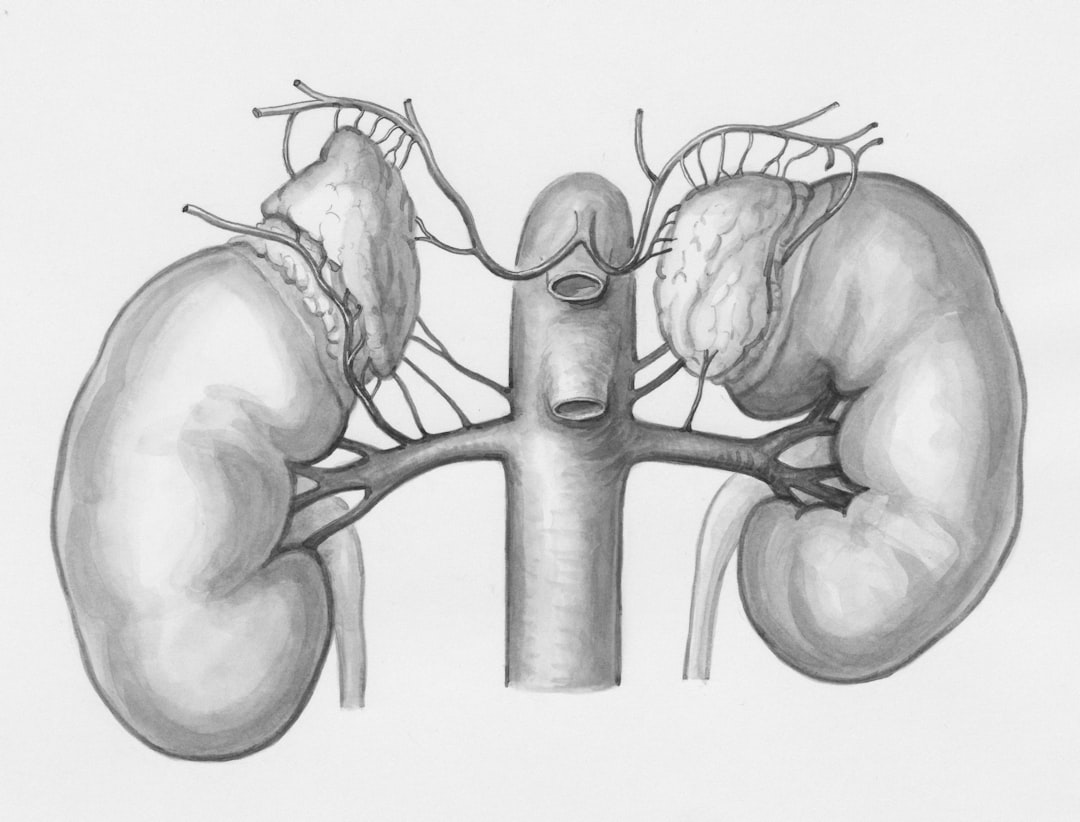
Histopathological examination (microscopy of stained kidney tissue) showed morphological changes in kidney tissue in the RF-exposed group. The paper reports that histological characteristics were “affected by RF-EMR.”
The kidneys are an important target organ — they filter blood continuously and are metabolically active, making them potentially sensitive to systemic oxidative stress.
Check your EMF exposure
See cell towers, power lines, and substations near any US address.
Search Your AddressThe Frequency Matters: Why 6 GHz Is Important
The 6 GHz band sits at an interesting point in the RF spectrum:
- WiFi 6E (launched 2021-2022) operates at 5.925-7.125 GHz
- WiFi 7 will expand usage of this band with wider channels
- 5G NR has allocated portions of the 6 GHz band in some countries
- This band will become ubiquitous in homes and offices over the next 3-5 years
Most existing RF health research focuses on older bands — 900 MHz (2G/3G), 1800-2100 MHz (3G/4G), 2.4 GHz (WiFi), and recently 3.5 GHz (5G). The 6 GHz band has very little safety data, making even imperfect studies relevant to the scientific record.
At 6 GHz, RF energy is absorbed more superficially in biological tissue than at lower frequencies — penetration depth decreases as frequency increases. But the kidneys aren’t a surface organ, which raises the question of how much 6 GHz energy would actually reach them in a whole-body exposure scenario.
The Problems: Why This Study Is Hard to Interpret
Here’s where we need to be honest about the significant limitations:
1. No SAR or Power Density Reported
This is the biggest problem. The study says animals were exposed to “6 GHz RF-EMR emitted from the signal generator” but never specifies the power output, SAR (specific absorption rate), or power density.
Without knowing the exposure intensity, we can’t determine:
- Whether the exposure was relevant to real-world conditions
- Whether it was thermal or non-thermal
- How to compare results to safety standards
- How to replicate the study
This is like reporting that a chemical caused liver damage but not saying what dose you used. It’s a fundamental methodology gap that makes the results very difficult to interpret or build upon.
2. Very Small Sample Size
Ten animals per group is small for this type of study. While the statistical significance was strong (p < 0.001), small sample sizes increase the risk of chance findings and make it harder to detect dose-response relationships.
For comparison, the NTP study on cell phone radiation — the most comprehensive of its kind — used groups of 90 animals per exposure level.
3. The MDA Paradox
The simultaneous reduction of both antioxidants (GSH, CAT, SOD) and the lipid peroxidation marker (MDA) is unusual and unexplained. Normally, when antioxidant defenses drop, oxidative damage markers rise — that’s the whole point of antioxidant depletion being harmful.
A decrease in MDA alongside decreased antioxidants could suggest something other than straightforward oxidative damage is happening, or it could indicate a measurement issue. The paper doesn’t adequately address this contradiction.
4. Limited Histological Description
The paper reports that kidney tissue was “affected” by RF exposure but doesn’t provide detailed quantitative histopathology — no scoring system, no blinded assessment, no quantification of specific types of damage (tubular dilation, glomerular changes, inflammatory infiltrates, etc.).
Modern histopathological analysis should include blinded evaluation with defined scoring criteria, not just subjective observation.
5. Single Time Point
All measurements were taken at the end of the 6-week exposure period. There’s no data on whether effects were progressive, reversible, or at what point during the exposure period they appeared.
Context: How This Fits the Broader Picture
This study exists within a landscape of mixed evidence on RF and oxidative stress:
Supporting context:
- Multiple animal studies have reported RF-induced oxidative stress in various organs at various frequencies
- The ICBE-EMF critique of safety limits argues that oxidative stress is one of the most replicated non-thermal RF effects
- A recent cell tower proximity study found elevated white blood cells in people living near towers — potentially consistent with systemic stress
Counterpoint:
- The INERIS 5G human study found no stress biomarker changes in controlled human exposure
- The 26 GHz mmWave study found no cortisol or alpha-amylase changes in humans
- The LTE neuroblastoma study found no ROS (reactive oxygen species) changes from LTE exposure in cell culture
The inconsistency across studies is itself informative — it suggests that if RF-induced oxidative stress exists, it likely depends heavily on specific parameters (frequency, intensity, duration, tissue type) rather than being a universal effect of RF exposure.
The Bottom Line
This study raises a legitimate flag about 6 GHz RF and oxidative stress that merits follow-up research, especially given how rapidly this frequency band is being deployed for consumer wireless technology.
However, the missing power density/SAR data is a serious enough gap that the results are difficult to interpret in any practical context. We can’t know if the rats were exposed to levels comparable to sitting next to a WiFi 6E router or standing directly in front of a high-powered transmitter — and those are very different scenarios with very different implications.
If you’re concerned about WiFi 6E exposure at home, the practical reality is that consumer routers operate at power levels far below any established safety threshold. But this study is another data point suggesting that the 6 GHz band deserves more rigorous investigation with properly characterized exposures.
What we need: Replication studies at this frequency with clearly defined exposure parameters (SAR, power density, field strength), larger sample sizes, multiple time points, and blinded quantitative histopathology. Until then, this finding is a reason for more research, not a reason for alarm.
Study: Emre M, Karamazi Y, Emre T, et al. “Effect of high-frequency radiofrequency (6 GHz) electromagnetic radiation on oxidative stress and kidney morphology.” Toxicology and Industrial Health. 2026. PMID: 41701901 | DOI: 10.1177/07482337261422845
Wondering about cell tower exposure near your address? Use our free interactive map to check tower locations and estimated RF levels for any US location.
Related Reading
- Study Spotlight: WiFi-Frequency Radiation Doubled Oxidative Stress in Human Skin Bacteria
- Study Spotlight: Earphone Magnetic Fields Drove 5x More Pollution Particles Into Mouse Brains
- Study Spotlight: Living Near Cell Towers Changed These People’s Blood — Here’s What Researchers Found
- Study Spotlight: Italian Researchers Blasted Brain Cancer Cells with 4G LTE and WiFi Simultaneously — Nothing Happened