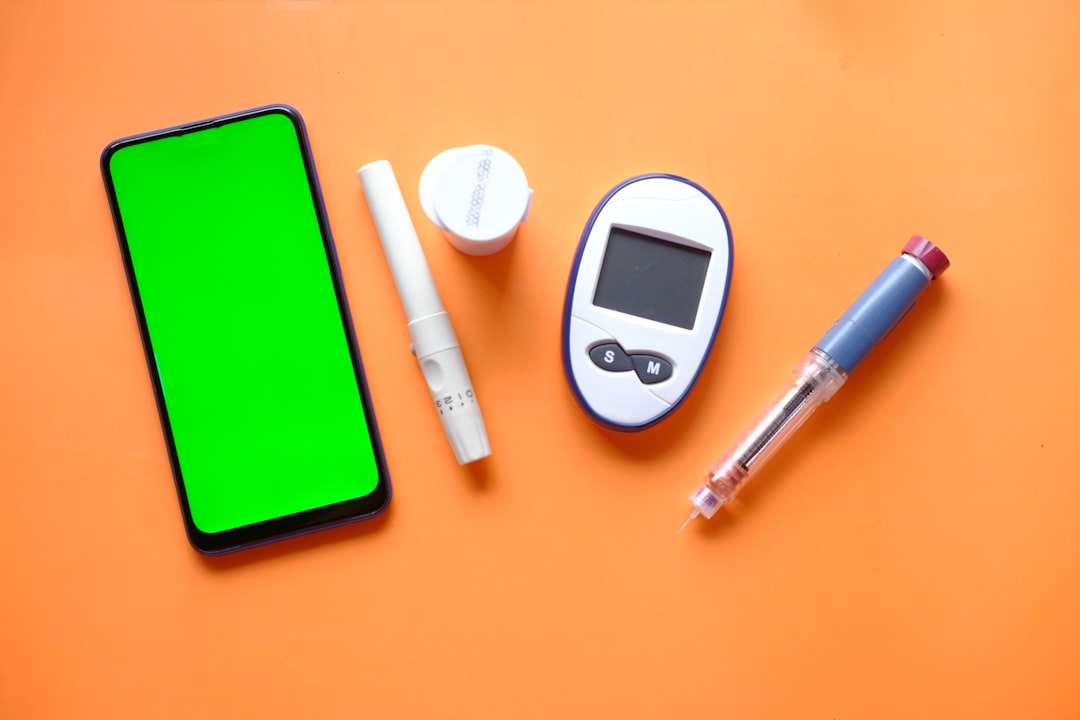
EMF and Diabetes: Can Electromagnetic Fields Affect Your Blood Sugar?
The relationship between electromagnetic fields and diabetes is one of the most surprising stories in EMF research. It’s not a simple “EMF is bad for diabetics” narrative — it’s a genuinely complex science story where the same type of energy can both worsen and treat the same disease, depending on how it’s applied.
A landmark 2020 study published in Cell Metabolism — one of the most prestigious journals in metabolic research — showed that static electromagnetic fields could reverse insulin resistance in diabetic mice within 3 days. Meanwhile, separate research suggests that “dirty electricity” on home wiring may be elevating blood sugar in electrically sensitive diabetics.
How can both be true? Let’s walk through what we actually know.
The Bombshell: EMF as Diabetes Treatment
The Cell Metabolism Study (Carter et al., 2020)
In October 2020, a team from the University of Iowa published findings in Cell Metabolism that stunned the bioelectromagnetics community.
They exposed mouse models of Type 2 diabetes to a combination of static magnetic and electric fields (sBE) — roughly the strength of Earth’s natural magnetic field, amplified about 100×. The results:
- Insulin resistance improved within 3 days of exposure
- Glucose tolerance normalized — the diabetic mice started processing sugar like healthy mice
- The effect was mediated through redox signaling — the fields shifted the body’s oxidative balance toward a healthier, more “reducing” state
- Specifically, the GSH-to-GSSG ratio (a key measure of cellular redox health) improved
- When the researchers blocked superoxide in liver mitochondria (using SOD2), the beneficial effects completely disappeared — proving the mechanism runs through mitochondrial reactive oxygen species
This wasn’t a small, preliminary study in an obscure journal. Cell Metabolism is a top-tier publication with rigorous peer review. The paper generated multiple published commentaries and follow-up studies.
Why it matters: If electromagnetic fields can modulate the fundamental redox signaling that drives insulin resistance, it opens an entirely new therapeutic pathway for the 537 million adults worldwide living with diabetes.
Follow-Up Research
The Iowa findings didn’t exist in isolation. Several other studies have investigated EMF’s effects on diabetic models:
Zhai et al. (2021) — Published in Diabetes, Metabolic Syndrome and Obesity:
- Exposed db/db mice (a genetic diabetes model) to EMF for 8 weeks
- EMF exposure ameliorated insulin resistance (HOMA-IR improved)
- Liver oxidative stress decreased — MDA and GSSG levels dropped
- Hepatic steatosis (fatty liver) improved — triglycerides and liver weight reduced
- The mechanism involved the same GSH/GSSG redox pathway identified by Carter
Yang et al. (2018) — Published in Molecular Medicine Reports:
- Tested PEMF therapy on diabetic rats with muscle atrophy
- PEMF increased body weight, muscle mass, and muscle strength
- Blood glucose decreased, serum insulin increased
- Muscle fiber cross-sectional area recovered
- The Akt/mTOR signaling pathway was activated — a key pathway in muscle building and metabolic health
Gulturk et al. (2010) — Published in Bioelectromagnetics:
- Investigated 50 Hz magnetic fields in diabetic rats
- Found that magnetic field exposure had a hypoglycemic effect (lowered blood sugar)
- Also increased blood-brain barrier permeability — especially when combined with diabetes
- Insulin partially counteracted the BBB effect
The pattern across these studies: controlled electromagnetic field exposure appears to improve metabolic function in diabetic animal models, primarily through redox signaling and insulin sensitivity pathways.
The Other Side: Dirty Electricity and Blood Sugar
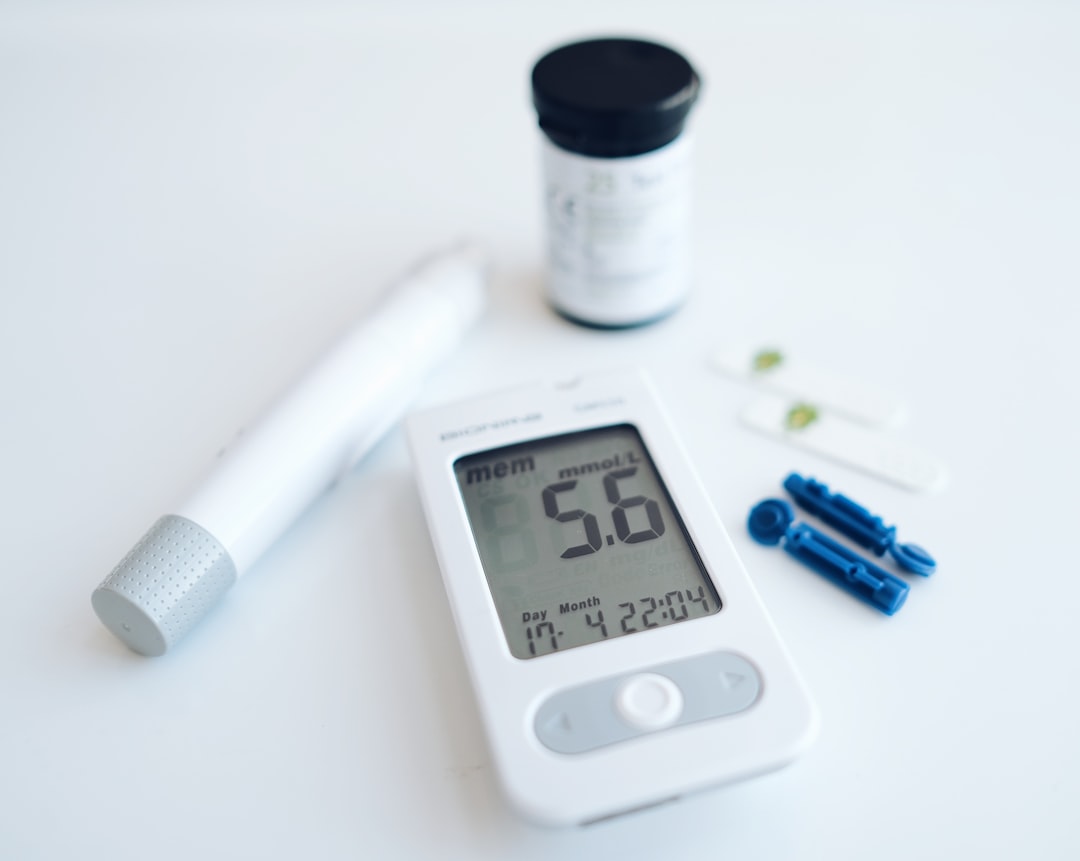
While controlled EMF shows therapeutic promise, uncontrolled electromagnetic pollution may tell a different story.
The Havas Studies
Dr. Magda Havas, a researcher at Trent University in Canada, published a series of provocative papers examining the relationship between “dirty electricity” and diabetes:
The 2008 Study (Electromagn Biol Med):
- Tracked blood glucose levels in 4 Type 1 and Type 2 diabetics
- Found that blood sugar responded directly to the amount of dirty electricity in their environment
-
In an electromagnetically “clean” environment (using Stetzer filters to reduce dirty electricity):
- Type 1 diabetics required less insulin
- Type 2 diabetics had lower blood glucose levels
- Exercise on a treadmill (which generates dirty electricity) increased plasma glucose more than expected
- Havas estimated that 5–60 million diabetics worldwide could be affected, based on electrical sensitivity prevalence estimates of 3–35%
The 2006 Overview (Electromagn Biol Med):
- Reported that installing Graham-Stetzer filters in homes and schools produced measurable health improvements
- Blood sugar levels in some diabetics responded to dirty electricity reduction
- Also reported improvements in asthma, ADD/ADHD symptoms, and multiple sclerosis tremors
Important Caveats
The Havas studies are widely cited but also controversial:
- Very small sample sizes (4 diabetics in the key study)
- Not blinded — participants knew when filters were installed
- No randomized controlled trial has replicated these specific findings at scale
- The concept of “dirty electricity” itself — transient high-frequency voltage spikes on electrical wiring — is acknowledged by electrical engineers but disputed as a significant health factor by some researchers
That said, the observations are consistent with the broader science: if controlled EMF can improve insulin sensitivity (as the Carter study showed), it’s plausible that uncontrolled, chaotic electromagnetic signals could disrupt the same pathways.
Check your EMF exposure
See cell towers, power lines, and substations near any US address.
Search Your AddressThe Cutting Edge: EMF-Controlled Insulin Delivery
In 2025, a team published in Nature Nanotechnology what may be the most futuristic application of EMF in diabetes treatment:
Lin et al. (2025) designed a system called EMPOWER (electromagnetic programming of wireless expression regulation):
- Multiferroic nanoparticles coated with chitosan are implanted under the skin
- When exposed to a 1 kHz low-frequency magnetic field, the nanoparticles generate controlled levels of reactive oxygen species
- These ROS activate engineered biosensors (KEAP1/NRF2 pathway) inside the nanoparticles
- The biosensors trigger insulin gene expression on demand
- In a mouse model of Type 1 diabetes, the system normalized blood glucose levels in response to an external magnetic field
This is still preclinical, but it represents a future where diabetics could trigger insulin production wirelessly — no injections, no pumps, just an electromagnetic signal.
How Could EMF Affect Blood Sugar? The Mechanisms
Three main pathways have been identified:
1. Redox Signaling (The Strongest Evidence)
The Carter Cell Metabolism study proved that electromagnetic fields modulate the glutathione redox couple (GSH/GSSG) — the body’s master antioxidant system. This directly affects:
- Insulin receptor sensitivity
- Mitochondrial function
- Inflammatory signaling
- Hepatic glucose output
When the redox balance shifts toward oxidation (too many free radicals), insulin resistance worsens. When it shifts toward reduction (the antioxidant side), insulin sensitivity improves. EMF appears to influence which direction this balance tips.
2. Autonomic Nervous System Effects
Your autonomic nervous system directly regulates insulin secretion and glucose metabolism:
- Sympathetic activation (stress response) → increases blood glucose, decreases insulin sensitivity
- Parasympathetic tone → promotes insulin release, improves glucose uptake
As discussed in our EMF and blood pressure article, EMF exposure can shift autonomic balance toward sympathetic dominance. In a diabetic context, this shift could worsen glucose control.
3. Pancreatic Beta Cell Effects
The pancreatic beta cells that produce insulin are metabolically active and potentially sensitive to electromagnetic fields:
- They rely heavily on mitochondrial function for glucose sensing
- Their calcium signaling (which triggers insulin release) can be influenced by electromagnetic fields
- Oxidative stress damages beta cells — the same oxidative stress that EMF may modulate
What This Means If You Have Diabetes

The Research-Backed Perspective
The science is genuinely nuanced here:
The good news:
- Controlled, therapeutic EMF shows real promise for improving insulin sensitivity
- The mechanisms are well-characterized (redox signaling, mitochondrial superoxide)
- Multiple independent labs have replicated the general finding
The concerning part:
- Uncontrolled, chronic EMF exposure (especially dirty electricity) may worsen blood sugar in some people
- The autonomic effects of environmental EMF could compound diabetic metabolic dysfunction
- If you’re electrically sensitive, environmental EMF may be an unrecognized factor in blood sugar variability
Practical Steps for Diabetics
If you suspect EMF affects your blood sugar:
-
Run a self-experiment — Track your blood glucose while making specific EMF changes. Change one variable at a time:
- Move your WiFi router away from where you spend the most time
- Switch to airplane mode while sleeping
- Unplug devices near where you eat (meals are the most important time for glucose regulation)
-
Track timing — Log your blood sugar readings alongside your environment. Do your readings improve on camping trips? Worsen in electrically noisy environments?
-
Consider dirty electricity filters — Graham-Stetzer or Greenwave filters can reduce high-frequency transients on your wiring. They’re relatively inexpensive and the only intervention specifically studied in diabetic contexts. See our dirty electricity guide for details.
General EMF reduction for metabolic health:
- Distance your phone during sleep — at least across the room, or in airplane mode
- Don’t carry your phone against your body for extended periods
- Take regular screen breaks — short periods away from EMF sources allow your autonomic system to reset
- Prioritize sleep quality — poor sleep independently worsens insulin resistance, and EMF can disrupt sleep
- Check your environment — use the EMF Radar map to see the tower density around your home
What NOT to Do
- Don’t stop taking insulin or medication based on EMF research. These are animal studies and small human observations — not a replacement for proven medical treatment.
- Don’t buy expensive “EMF protection” products marketed to diabetics. Most are unproven. Read our EMF protection products guide first.
- Don’t panic about normal device use. The therapeutic studies show positive effects from EMF — the relationship is complex, not uniformly harmful.
The Bigger Picture
The EMF-diabetes story challenges the simplistic “EMF = bad” narrative that dominates popular discussion. The reality is more interesting:
- Controlled electromagnetic fields may become a legitimate non-invasive treatment for Type 2 diabetes
- Uncontrolled electromagnetic pollution may be an underrecognized factor in blood sugar instability for some people
- The mechanism — redox signaling through mitochondrial superoxide — is well-characterized and accepted by mainstream science
- The dose, frequency, and pattern of exposure determine whether the effect is therapeutic or disruptive
This is an area where the science is genuinely moving fast. The 2020 Carter paper alone has generated over a dozen follow-up studies and several related clinical investigations. If even a fraction of the therapeutic promise holds up in human trials, electromagnetic therapy could become a standard tool in diabetes management within the next decade.
For now, the practical takeaway is this: if you’re diabetic and struggling with blood sugar variability that doesn’t seem to respond to the usual factors, your electromagnetic environment is worth investigating — not as a replacement for medical care, but as one more variable in a complex metabolic equation.
Frequently Asked Questions
Can EMF cause diabetes?
There’s no evidence that normal environmental EMF exposure causes diabetes. The risk factors for Type 2 diabetes are well-established: genetics, obesity, diet, physical inactivity, and age. However, some research suggests that chronic EMF exposure (particularly dirty electricity) may worsen blood sugar control in people who already have diabetes or pre-diabetes.
Does dirty electricity affect blood sugar?
Small studies have shown that reducing dirty electricity (high-frequency transients on electrical wiring) can improve blood sugar levels in some diabetics. Type 1 diabetics required less insulin, and Type 2 diabetics showed lower blood glucose in “cleaner” electrical environments. However, these studies had very small sample sizes and need large-scale replication.
Can electromagnetic fields treat Type 2 diabetes?
Animal research published in Cell Metabolism (one of the top journals in metabolic science) showed that static magnetic and electric fields reversed insulin resistance in diabetic mice within 3 days, through redox signaling pathways. Human clinical trials are not yet complete, but the mechanistic evidence is strong. This is an active area of research at major universities.
Should diabetics avoid cell phones and WiFi?
There’s no need to avoid normal use of phones and WiFi. The research suggests that chronic, close-range exposure and dirty electricity are the factors most likely to affect blood sugar in sensitive individuals. Simple precautions — not sleeping with your phone, using speakerphone for long calls, maintaining distance from routers — are proportionate responses.
How does EMF affect insulin resistance?
The primary mechanism appears to be through redox signaling. Electromagnetic fields modulate the glutathione system (GSH/GSSG ratio) in cells, which directly affects mitochondrial function and insulin receptor sensitivity. When this balance shifts toward the “reducing” side, insulin sensitivity improves. This was demonstrated mechanistically in the Carter et al. 2020 study by blocking the effect with mitochondrial SOD2.
Are Stetzer filters worth trying for diabetes?
Graham-Stetzer and similar dirty electricity filters are the only EMF intervention specifically studied in a diabetic context. They cost $30–50 per unit and plug into standard outlets. If you suspect your electrical environment affects your blood sugar, they’re a reasonable, low-risk experiment. Track your blood glucose before and after installation to see if you notice a difference. See our complete dirty electricity guide for more details.
Related Reading
- Study Spotlight: Living Near Cell Towers Changed These People’s Blood — Here’s What Researchers Found
- EMF and Heart Palpitations: Can Cell Phones and WiFi Affect Your Heart?
- EMF and Dementia: Does Electromagnetic Radiation Affect Brain Aging?
- EMF and Blood Pressure: Can Electromagnetic Fields Affect Your Heart and Circulation?
- EMF and Weight Gain: Can Electromagnetic Fields Affect Your Metabolism? — zebrafish adipogenesis data, Carter 2020 diabetes reversal, and why your screen habits matter more than EMF