Could the WiFi in your house be making you gain weight? It sounds like a headline engineered for clicks, and honestly, the direct evidence is thin. But the research that does exist is genuinely interesting — and the indirect pathways through which EMF might influence body composition are worth understanding.
Let’s separate the real science from the hype.
The Zebrafish Adipogenesis Study
The most-cited direct evidence comes from a study on zebrafish embryos exposed to radiofrequency electromagnetic fields:
What They Found
Researchers exposed developing zebrafish to RF-EMF and observed:
- Increased adipogenesis — the formation of new fat cells
- Enhanced expression of genes involved in lipid metabolism
- Effects were dose-dependent — higher exposure produced more adipogenesis
- The mechanism appeared to involve oxidative stress and metabolic signaling pathways
PMID 39245375 Details
This 2024 study specifically examined:
- Multiple RF frequencies and intensities
- Gene expression changes related to fat cell differentiation
- Oxidative stress markers in lipid-producing tissues
- Dose-response relationships between exposure level and fat cell formation
Why You Shouldn’t Panic
Before you blame your WiFi router for your waistline:
-
Zebrafish are not humans. While zebrafish share many metabolic genes with humans, the developmental environment is completely different. Fat cell formation in aquatic embryos doesn’t translate directly to adult human weight gain.
-
Dose matters. The exposure levels used in the study don’t necessarily reflect what humans experience from everyday wireless devices.
-
Embryonic vs. adult biology. Developing embryos are far more sensitive to environmental perturbations than adult organisms. What affects a zebrafish embryo may have zero effect on a fully developed human.
-
No human studies confirm this. Despite billions of people using wireless technology daily, no epidemiological study has linked personal EMF exposure to weight gain.
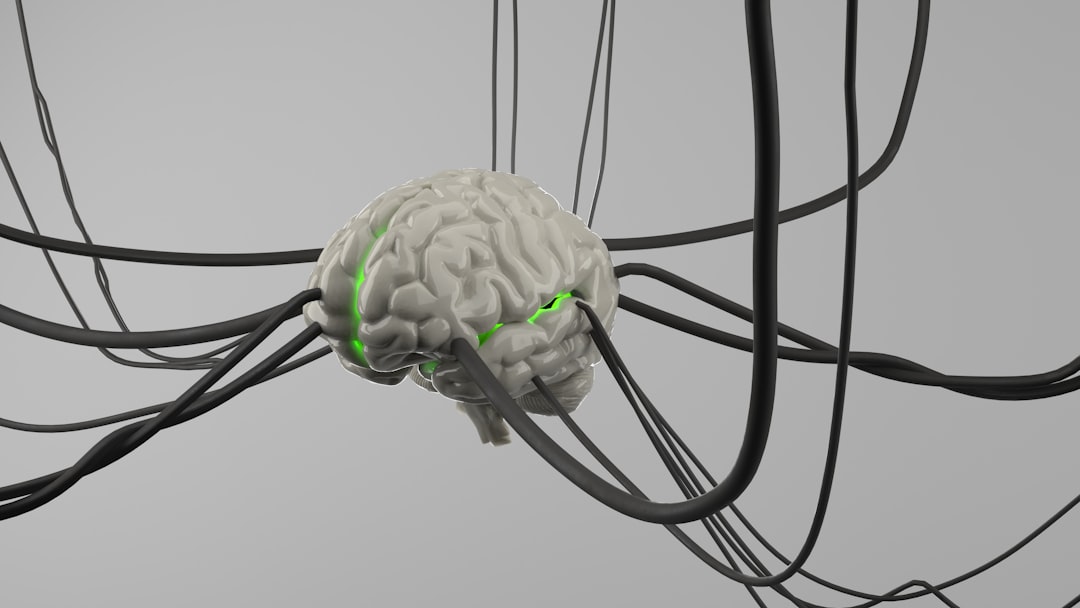 The connection between EMF and metabolism is more indirect than direct — running through sleep, hormones, and stress pathways.
The Carter 2020 Diabetes Reversal — A Plot Twist
If the zebrafish study suggests EMF might promote fat accumulation, a 2020 study in Cell Metabolism by Calvin Carter’s lab found almost the opposite:
What They Found
- Mice with type 2 diabetes were exposed to static magnetic and electric fields
- Insulin resistance reversed within 3 days of exposure
- Blood glucose levels normalized
- The effect was mediated by redox signaling — specifically, EMF altered the balance of reactive oxygen species in a way that enhanced insulin sensitivity
- The effect was reproducible across multiple mouse models
Published in Cell Metabolism
This isn’t a predatory journal finding. Cell Metabolism is one of the top metabolic research journals in the world. The study underwent rigorous peer review.
The Implication
The same physical force (electromagnetic fields) that one study suggests promotes fat cell formation in zebrafish embryos was shown to reverse metabolic disease in adult mice. This isn’t necessarily contradictory — biological effects depend on:
- Frequency (static fields vs. RF)
- Intensity
- Duration
- Organism and developmental stage
- Tissue type
But it does mean the narrative of “EMF makes you fat” is far too simplistic.
Check your EMF exposure
See cell towers, power lines, and substations near any US address.
Search Your AddressThe RF Body Contouring Irony
Here’s an irony worth noting: the aesthetics industry uses radiofrequency energy as a weight reduction tool:
- RF body contouring treatments like Vanquish, truSculpt, and Exilis use RF energy to heat and destroy fat cells
- These devices operate at frequencies similar to those from wireless communications
- The difference is intensity — therapeutic RF delivers far more energy to targeted tissue than ambient exposure
- The global RF aesthetics market is worth billions, entirely predicated on RF destroying (not creating) fat
So the same type of energy that some hypothesize causes weight gain is being marketed — and used clinically — to reduce it.
5 Indirect Pathways: How EMF Might Actually Affect Weight
The direct evidence for EMF causing weight gain is weak. But there are real, well-documented indirect pathways:
1. Sleep Disruption → Weight Gain
This is the strongest pathway:
- EMF exposure, particularly from devices in the bedroom, is associated with poorer sleep quality
- Sleep deprivation increases ghrelin (hunger hormone) and decreases leptin (satiety hormone)
- Just one night of poor sleep can increase caloric intake by 300-500 calories the next day
- Chronic sleep deprivation is one of the strongest predictors of weight gain
The EMF angle: If bedroom EMF disrupts sleep (whether through melatonin suppression, blue light from screens, or simply phone notifications), it creates a metabolic environment that favors weight gain.
2. Melatonin Suppression → Metabolic Effects
Melatonin isn’t just a sleep hormone — it has direct metabolic roles:
- Melatonin influences insulin sensitivity and glucose metabolism
- Reduced melatonin is associated with higher obesity risk in some population studies
- Some EMF exposures may suppress melatonin production (evidence is inconsistent)
- Evening screen use definitely suppresses melatonin through blue light
3. Cortisol and Stress Response
If EMF activates stress pathways (even subclinically):
- Elevated cortisol promotes visceral fat accumulation
- Chronic stress increases appetite, particularly for calorie-dense foods
- Some EMF studies report elevated cortisol markers, though results are inconsistent
- The psychological stress of worrying about EMF could itself raise cortisol
4. Sedentary Behavior Enabled by Devices
This is arguably the most impactful pathway, but it has nothing to do with EMF itself:
- Devices that emit EMF (phones, tablets, computers) enable sedentary entertainment
- Screen time displaces physical activity
- The more connected we are wirelessly, the less we move
- This is a behavioral effect of the devices, not the electromagnetic fields
5. Thyroid Disruption
Some research suggests RF-EMF may affect thyroid function:
- The thyroid regulates metabolic rate
- Cell phones held near the throat expose the thyroid to RF
- Some studies show altered thyroid hormone levels with heavy phone use
- Hypothyroidism (underactive thyroid) causes weight gain
The evidence here is suggestive but not conclusive, and the effect sizes are small.
What the Obesity Data Actually Shows
If EMF were a significant cause of weight gain, we’d expect to see it in population-level data. Here’s what we find:
The Obesity Timeline
- Obesity rates began rising sharply in the 1970s-1980s in the US
- Cell phone adoption didn’t reach mass scale until the late 1990s-2000s
- WiFi became ubiquitous in the 2010s
- 5G deployment began in 2019-2020
The obesity epidemic predates widespread EMF exposure by decades. The causes are well-established:
- Increased caloric availability (processed food, larger portions)
- Decreased physical activity (cars, desk jobs, screens)
- Changes in food composition (added sugars, seed oils, ultra-processed foods)
- Sleep deprivation (which does connect to EMF, but also to work culture and screen time)
Geographic Patterns
Obesity rates don’t correlate with EMF infrastructure density:
- Rural areas (lower EMF) often have higher obesity rates than cities (higher EMF)
- Countries with dense wireless infrastructure (Japan, South Korea) have some of the lowest obesity rates globally
- The US has both high EMF exposure and high obesity, but correlation ≠ causation
Practical Takeaways
If you’re trying to lose weight or prevent weight gain:
-
Fix your sleep first. This is the highest-leverage change. Make your bedroom dark, cool, and low-EMF — not primarily because of EMF, but because good sleep hygiene supports metabolic health.
-
Move more, scroll less. The biggest weight impact of your phone isn’t its EMF — it’s the hours it keeps you sedentary. Set screen time limits.
-
Don’t blame EMF for dietary choices. No amount of EMF reduction will compensate for a caloric surplus. Focus on food quality and portion control.
-
Consider thyroid screening if you have unexplained weight gain plus fatigue — this is a medical issue, not an EMF issue, but some research suggests heavy phone use may affect thyroid function.
-
Manage stress. Whether EMF contributes to stress or not, cortisol drives visceral fat storage. Meditation, exercise, and time in nature help — and all three happen to reduce EMF exposure too.
What NOT to do:
- Don’t buy EMF “weight loss” products — they don’t exist and wouldn’t work
- Don’t replace medical weight management with EMF avoidance
- Don’t skip meals to “compensate” for EMF exposure — that’s not how biology works
- Don’t assume correlation equals causation if you gained weight after a cell tower was installed nearby
The Honest Summary
The direct evidence that EMF causes weight gain is minimal and preliminary:
- One zebrafish embryo study showing increased adipogenesis (not translatable to humans)
- A contradictory mouse study showing EMF reverses metabolic disease
- An aesthetics industry that literally uses RF to destroy fat cells
The indirect pathways are more compelling but are really about lifestyle factors that happen to involve EMF-emitting devices:
- Sleep disruption → metabolic dysfunction
- Screen time → sedentary behavior
- Possible thyroid and endocrine effects (inconclusive)
The global obesity epidemic is driven by food, activity, and sleep — not by electromagnetic fields. If you’re concerned about weight, optimize those three factors. The fact that doing so also reduces your EMF exposure is a nice bonus, but it’s not the main mechanism.
Related reading: EMF and diabetes, EMF and hormones, EMF and sleep, and our comprehensive evidence review.