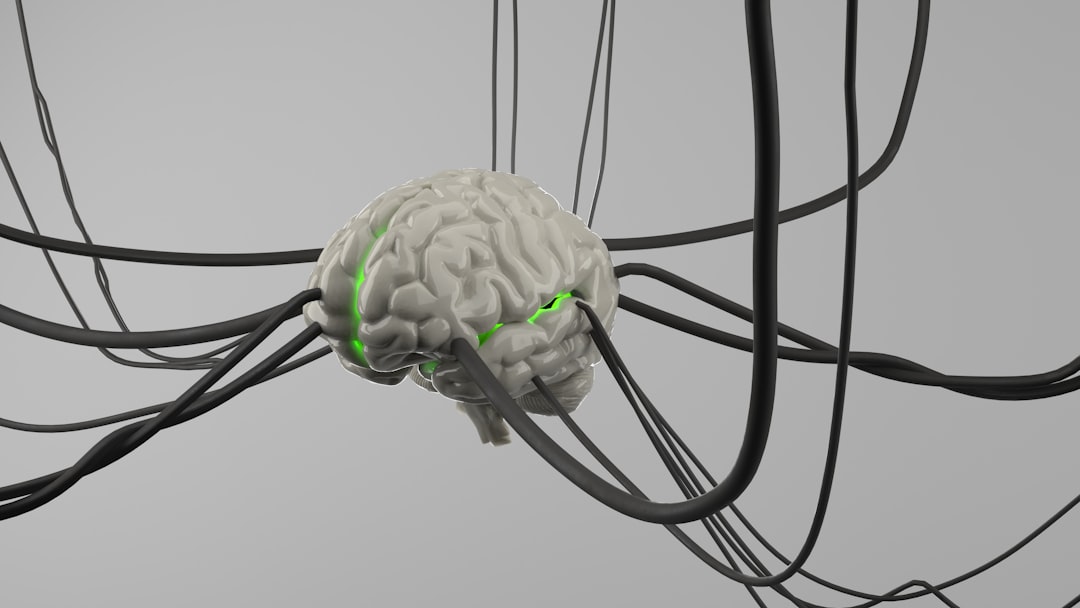
Here’s something that might surprise you: the same electromagnetic fields that some researchers worry could harm the brain are being actively studied as a treatment for Alzheimer’s disease.
The relationship between EMF and dementia is one of the most genuinely complex topics in EMF research — not because the evidence is weak, but because it points in two directions at once. Understanding both sides is essential for anyone concerned about long-term brain health.
The Fear: Does EMF Exposure Cause Dementia?
The concern that electromagnetic fields might accelerate cognitive decline comes from three main lines of evidence.
1. Occupational ELF Studies
The strongest epidemiological signal comes from workers exposed to extremely low frequency (ELF) electromagnetic fields — electricians, power line workers, welders, and railway operators.
Multiple meta-analyses have found a modest but consistent association:
| Study Type | Finding | Risk Increase |
|---|---|---|
| Occupational ELF exposure | Elevated Alzheimer’s risk | 30–50% (OR 1.3–1.5) |
| Occupational ELF exposure | Elevated ALS risk | 20–40% (OR 1.2–1.4) |
| Residential ELF exposure | Inconclusive | No consistent signal |
| RF exposure (phones) | Limited data | No clear association |
The EUROPAEM EMF Guideline 2016 — produced by the European Academy for Environmental Medicine — listed neurodegenerative diseases as a concern area for chronic ELF exposure.
Important caveats:
- These are occupational exposures — orders of magnitude higher than what you get from household appliances
- Confounders like electric shock history, chemical exposures, and socioeconomic factors are hard to separate
- The association is with ELF (power lines, motors) — not RF (cell phones, WiFi)
- Effect sizes are small and inconsistent across studies
2. The Microwave-Alzheimer’s Review
A 2016 review in Experimental and Therapeutic Medicine examined whether microwave radiation (including cell phone frequencies) could be involved in Alzheimer’s pathophysiology.
The authors noted that microwaves can:
- Cross the blood-brain barrier — potentially allowing harmful substances into the brain
- Affect calcium signaling — important for neural function and amyloid processing
- Induce oxidative stress — a driver of neurodegeneration
- Alter gene expression in neural tissue
But they also acknowledged something remarkable: some studies showed microwaves improving cognitive function in animal models of Alzheimer’s, suggesting the relationship isn’t purely harmful.
3. Environmental Factors Meta-Analysis
A comprehensive 2021 meta-analysis in Ageing Research Reviews examined all environmental factors associated with cognitive impairment and dementia, reviewing 185 studies from 48,399 publications.
EMF was included among environmental factors but didn’t emerge as a primary driver. The top environmental risk factors for dementia were:
- Air pollution (particularly PM2.5)
- Pesticide exposure
- Heavy metal exposure (lead, aluminum)
- Low educational attainment
- Social isolation
This doesn’t mean EMF is irrelevant — it means other environmental factors have stronger and more consistent evidence.
The Twist: EMF as Brain Therapy

Here’s where the story gets fascinating. While some researchers worry about EMF causing neurodegeneration, others are actively developing EMF-based treatments for Alzheimer’s disease.
Transcranial Electromagnetic Treatment (TEMT)
A growing body of research — including a 2024 review in Neurology — shows that specific patterns of electromagnetic stimulation may:
- Break apart amyloid-beta plaques — the protein clumps that define Alzheimer’s
- Reduce tau protein tangles — the other hallmark of the disease
- Improve mitochondrial function in neurons
- Enhance synaptic activity and neuroplasticity
In animal models, daily EMF treatment has improved memory and cognitive function in mice engineered to develop Alzheimer’s-like pathology. The frequencies used are often in the RF range — the same general spectrum as cell phones and WiFi.
We covered this research in depth in our article on RF electromagnetic therapy for Alzheimer’s disease.
Working Memory Modulation
A February 2026 study published in Scientific Reports from Laurentian University demonstrated that specific EMF patterns can modulate working memory performance and cortical alpha oscillations in healthy adults.
Key findings from the study of 98 volunteers:
- Theta-burst EMF (five-pulse bursts at 100 Hz) reduced working memory performance and altered alpha brainwave activity
- Theta-gamma EMF reduced short-term recall without detectable EEG changes
- Effects were frequency-specific and pattern-specific — not a blanket effect of “more EMF = worse brain”
This demonstrates that EMF’s effects on the brain are highly dependent on the specific frequency, pattern, intensity, and duration of exposure — which is exactly what you’d expect if the brain is actively interacting with electromagnetic fields rather than passively being damaged by them.
Microtubule Sculpting
A 2025 study in the European Journal of Neuroscience showed that extremely low-frequency, low-intensity EMF can physically reshape microtubules — the structural scaffolding inside neurons that’s critical for memory formation and neural transport.
Microtubules are increasingly recognized as important in Alzheimer’s pathology (tau proteins stabilize microtubules, and their dysfunction is a hallmark of the disease). The finding that EMF can “sculpt” microtubules opens questions about both:
- Therapeutic potential — could targeted EMF reorganize dysfunctional microtubules?
- Risk potential — could uncontrolled EMF exposure destabilize them?
Check your EMF exposure
See cell towers, power lines, and substations near any US address.
Search Your AddressMaking Sense of the Contradiction
How can EMF both potentially cause and treat the same disease? The resolution lies in understanding that dose, frequency, pattern, and context all matter enormously.
The Dose-Response Paradox
| Parameter | Potentially Harmful | Potentially Therapeutic |
|---|---|---|
| Frequency | Non-specific, chronic exposure | Targeted, specific frequencies |
| Pattern | Continuous, uncontrolled | Pulsed, optimized timing |
| Intensity | Very high (occupational) or very low (chronic) | Moderate, calibrated |
| Duration | Decades of cumulative exposure | Short, controlled sessions |
| Target | Whole-body, unfocused | Directed at specific brain regions |
This is actually common in medicine. Water is essential for life but lethal in excess. Exercise strengthens the heart but can cause cardiac events in the wrong context. Sunlight produces vitamin D but causes skin cancer.
EMF appears to follow a similar pattern: the biological effects are real, but whether they’re beneficial or harmful depends on the specifics.
What This Means for Your Brain Health
If you’re concerned about long-term cognitive health and EMF, here’s what the evidence actually supports:
Things That Matter More
Before optimizing your EMF exposure, address the factors with much stronger evidence for dementia prevention:
- Physical exercise — strongest modifiable risk reducer (30–40% risk reduction)
- Social engagement — isolation is a major dementia risk factor
- Sleep quality — the brain clears amyloid during deep sleep
- Air quality — PM2.5 pollution has stronger cognitive effects than EMF
- Cognitive stimulation — education, learning, and mental challenges
- Cardiovascular health — what’s good for the heart is good for the brain
- Diet — Mediterranean diet shows consistent cognitive benefits
Practical EMF Considerations
If you’ve addressed the above and want to minimize any potential EMF-dementia risk:
| Strategy | Rationale | Priority |
|---|---|---|
| Don’t sleep with phone under pillow | Reduces overnight brain exposure during critical clearance period | High |
| Use speaker or wired headset | Moves RF source away from brain | High |
| Limit very-long phone calls against ear | Reduces cumulative brain-proximate RF exposure | Medium |
| Distance from power lines (if choosing home) | Addresses ELF occupational signal | Low |
| WiFi router placement away from bedroom | Reduces overnight background RF | Low |
What NOT to Do
- Don’t panic about cell phones and Alzheimer’s — the RF-dementia connection is weak and contradicted by therapeutic research
- Don’t buy “brain-shielding” products — most are unproven and some can increase exposure by affecting antenna patterns
- Don’t stop staying socially connected — the irony of avoiding your phone to prevent dementia while increasing social isolation would be counterproductive
- Don’t ignore real dementia risk factors — physical inactivity, poor sleep, and social isolation have far stronger evidence
The Bigger Picture

The EMF-dementia research reveals something important about how we think about electromagnetic fields: the question isn’t simply “is EMF good or bad for the brain?”
The brain is an electromagnetic organ. It generates its own fields, responds to external ones, and has evolved in Earth’s natural electromagnetic environment. The question is how modern, artificial EMF exposure patterns interact with this finely tuned system over decades.
The occupational ELF data suggests that very high chronic exposure may carry modest neurological risk — and a massive 2026 Swiss study of 3.5 million adults found residential power line exposure associated with 54% higher Alzheimer’s mortality, strengthening this signal considerably. The therapeutic research suggests that carefully calibrated EMF can improve brain function. And the epidemiological data on cell phones and WiFi doesn’t show a clear dementia signal.
The most honest summary: EMF is neither the brain’s enemy nor its savior. It’s a physical force that the brain responds to, and the nature of that response depends entirely on the details.
Focus on the proven dementia prevention strategies first. Adopt sensible EMF practices second. And stay curious about the research — this field is moving fast, and the next decade may finally clarify what chronic RF exposure means for long-term brain health.
Related Resources
- RF Electromagnetic Therapy for Alzheimer’s Disease
- EMF and Tinnitus: Can Electromagnetic Fields Cause Ringing in Your Ears?
- EMF and Heart Palpitations: Can Cell Phones Affect Your Heart?
- EMF Exposure Symptoms: What Does the Research Say?
- Are Bluetooth Headphones Safe for Your Brain?
- Cell Tower Map
Frequently Asked Questions
Can cell phones cause dementia?
There is no strong epidemiological evidence linking cell phone use to dementia or Alzheimer’s disease. The modest associations that exist in EMF-dementia research come from occupational extremely low frequency (ELF) exposure in electrical workers, not from RF radiation from cell phones.
Does WiFi affect brain health?
WiFi operates at very low power levels compared to cell phones. No studies have demonstrated a direct link between WiFi exposure and cognitive decline or dementia. However, WiFi’s indirect effects on sleep quality (through screen time and blue light) may affect brain health through well-established mechanisms.
Can EMF treatment help Alzheimer’s patients?
Early research is promising. Transcranial electromagnetic treatment (TEMT) has shown potential in reducing amyloid plaques and improving cognitive function in animal models and small human trials. Multiple research groups are developing EMF-based therapies for Alzheimer’s, though the technology remains experimental.
Should I keep my phone away from my head to prevent dementia?
Using speaker mode or wired headsets reduces RF exposure to the brain, which is generally prudent. However, the primary evidence-based strategies for dementia prevention are physical exercise, social engagement, quality sleep, and cardiovascular health — all of which have much stronger evidence than EMF avoidance.
Is there a link between power lines and Alzheimer’s?
Several occupational studies have found a modest association (30–50% increased risk) between long-term, high-level ELF exposure and Alzheimer’s disease. However, these studies involve occupational exposures far higher than residential proximity to power lines, and confounding factors make the relationship uncertain.
At what age should I start worrying about EMF and brain health?
Rather than worrying about EMF specifically, focus on evidence-based neuroprotective habits at any age: regular exercise, social connection, quality sleep, a healthy diet, and cognitive stimulation. If you want to add EMF precautions, simple steps like using speaker mode and keeping your phone out of the bedroom are reasonable at any age.
Related Reading
- Study Spotlight: Living Near Cell Towers Changed These People’s Blood — Here’s What Researchers Found
- Study Spotlight: Could the Same Radio Waves From Your Phone Help Treat Alzheimer’s?
- EMF and Heart Palpitations: Can Cell Phones and WiFi Affect Your Heart?
- EMF and Blood Pressure: Can Electromagnetic Fields Affect Your Heart and Circulation?
- EMF and Memory Loss: Can Cell Phones Impair Your Memory?
- EMF and Parkinson’s Disease: What the Research Shows