
If you’ve ever felt your heart flutter, skip, or race after a long phone call — you’re not imagining things. Heart palpitations are one of the most commonly self-reported symptoms among people concerned about EMF exposure. But is there a physiological basis, or is it anxiety playing tricks?
The answer, as with most EMF health questions, is more nuanced than either camp wants to admit.
What Heart Palpitations Actually Are
Before connecting EMF to cardiac symptoms, it helps to understand what heart palpitations are — and aren’t.
Palpitations are the subjective awareness of your own heartbeat. They can feel like:
- Skipped beats (premature ventricular contractions or PVCs)
- Racing heart (tachycardia)
- Fluttering in the chest or throat
- Pounding heartbeat you normally wouldn’t notice
Most palpitations are harmless. Your heart skips beats routinely — you just don’t always feel it. Caffeine, stress, dehydration, poor sleep, and hormonal changes are the most common triggers.
But the question remains: can electromagnetic fields add to this list?
The Heart Rate Variability Connection
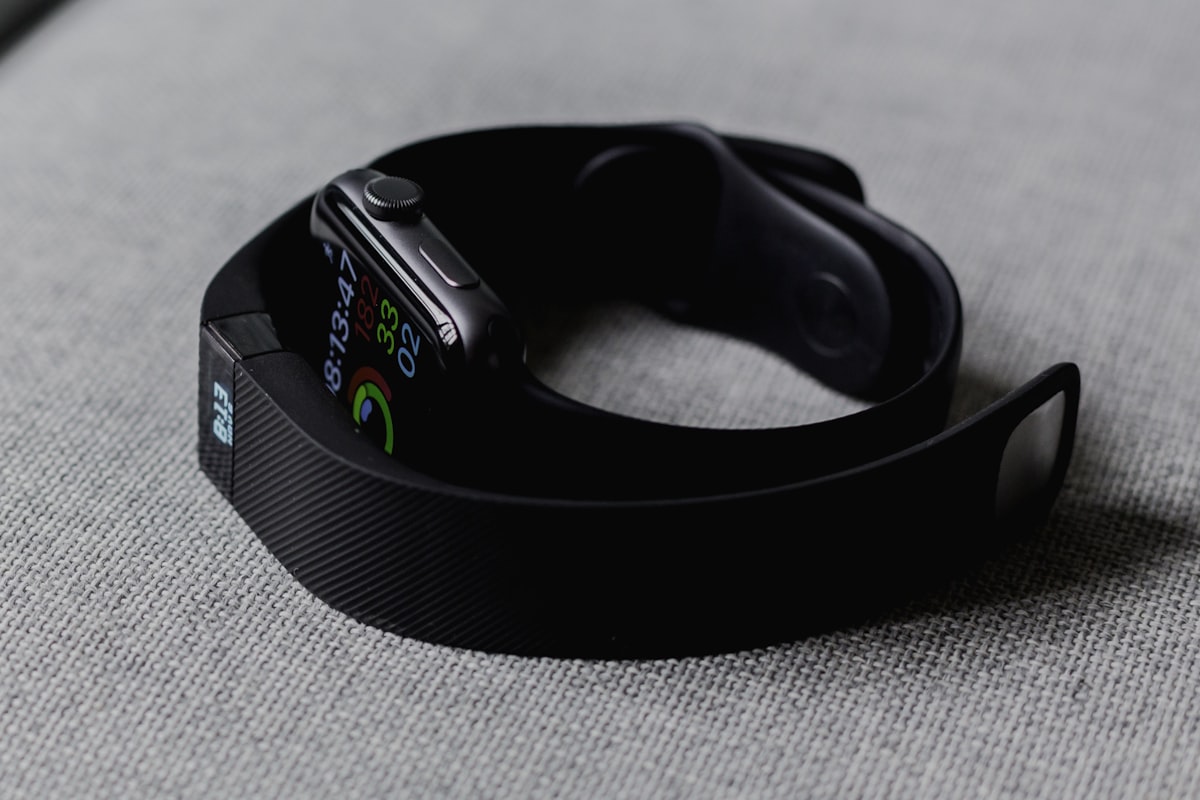
The strongest evidence connecting EMF to cardiac effects comes from heart rate variability (HRV) research — and a 2016 study from Turkey provides the clearest picture.
The Ekici HRV Study (2016)
Researchers at Ufuk University studied 148 healthy individuals using 24-hour Holter monitoring, dividing them by daily phone use:
| Group | Daily Phone Use | Key Finding |
|---|---|---|
| Control | No mobile phone | Normal HRV baseline |
| Group 1 | < 30 min/day | Reduced parasympathetic markers |
| Group 2 | 30–60 min/day | Further HRV reduction |
| Group 3 | > 60 min/day | Highest LF/HF ratio shift |
All phone-using groups showed:
- Higher LF/HF ratio — indicating sympathetic nervous system dominance
- Lower SDNN, SDANN, RMSSD, and pNN50 — markers of reduced parasympathetic (calming) activity
- No significant arrhythmias — the heart rhythm itself wasn’t dangerous
What does this mean in plain English? Mobile phone use appears to shift the autonomic nervous system toward “fight or flight” mode. Your heart isn’t malfunctioning — it’s being nudged toward a stress response.
This matters because sustained sympathetic dominance is associated with:
- Increased palpitation awareness
- Higher resting heart rate
- Elevated blood pressure over time
- Greater cardiovascular disease risk long-term
Why HRV Matters More Than Heart Rate
Your heart rate might be 72 BPM whether you’re relaxed or stressed. But the variation between beats tells a completely different story. High HRV = flexible, resilient cardiovascular system. Low HRV = stressed system with less adaptive capacity.
The EMF-HRV connection suggests that even if your heart rate stays normal, the underlying regulatory system may be affected.
Check your EMF exposure
See cell towers, power lines, and substations near any US address.
Search Your AddressThe Iranian Population Study: 8,905 People
A large cross-sectional study from Iran (published in BMC Public Health, 2022) examined mobile phone use and cardiovascular parameters in nearly 9,000 adults.
Surprising finding: In women, increased mobile phone use was associated with lower systolic and diastolic blood pressure. The researchers found a significant negative association between phone use duration and blood pressure.
This contradicts what you might expect if EMF were directly harmful to the cardiovascular system. But the study had important limitations:
- Cross-sectional design — can’t prove causation
- Self-reported phone use — notoriously unreliable
- Confounding factors — heavier phone users may be younger, more educated, or more sedentary
- No EMF measurement — “phone use duration” ≠ “EMF exposure level”
The takeaway: the relationship between EMF and cardiovascular function isn’t as simple as “more exposure = worse heart.”
Provocation Studies: The Double-Blind Test
When researchers put EMF-sensitive individuals in controlled settings, the results are humbling for both sides of the debate.
A double-blind study at Shiraz University connected 20 self-reported EMF-sensitive participants to ICU monitors and exposed them to real and sham mobile phone radiation:
- Heart rate: No significant difference between real and sham exposure
- Blood pressure: No significant difference
- Respiration: No significant difference
- Ability to detect exposure: Only 25% could tell real from sham (chance level)
Similar provocation studies from Zurich found that RF EMF at 900 MHz (1 W/kg SAR) affected brain physiology (EEG changes during sleep) but didn’t produce significant acute cardiovascular effects.
The pattern across provocation studies: EMF doesn’t seem to cause acute cardiac changes that people can feel in the moment. But this doesn’t mean chronic, long-term effects don’t exist — it means they’re harder to study.
The Autonomic Nervous System Theory

The most plausible mechanism connecting EMF to heart palpitations involves your autonomic nervous system (ANS) — the unconscious control system that regulates heart rate, digestion, breathing, and stress response.
Here’s how it might work:
- RF-EMF interacts with neural tissue — the brain and nervous system are electrically active and may be sensitive to external electromagnetic signals
- Sympathetic activation increases — the Ekici study showed consistent LF/HF ratio shifts toward sympathetic dominance
- Parasympathetic withdrawal occurs — reduced RMSSD and pNN50 indicate less vagal (calming) influence on the heart
- Palpitation awareness increases — in a sympathetically dominant state, you’re more attuned to your own heartbeat
- Actual rhythm changes are minimal — the heart’s electrical system is robust; the control system shifts, not the electrical system itself
This explains an important paradox: people genuinely experience cardiac symptoms around EMF, but provocation studies rarely detect acute cardiovascular changes. The mechanism may be chronic autonomic remodeling rather than immediate electrical interference.
WiFi, Cell Towers, and Background EMF
Most EMF-heart research focuses on cell phones because they deliver the highest exposure. But people also report palpitations around:
- WiFi routers — especially when sleeping near them
- Smart meters — the most commonly complained-about EMF source
- Cell towers — proximity-based concerns
- High-voltage power lines — ELF (extremely low frequency) rather than RF
Power Density Context
| Source | Typical Exposure | Relative to Phone Call |
|---|---|---|
| Cell phone (at ear) | 1,000–10,000 µW/m² | Baseline |
| WiFi router (1m) | 10–100 µW/m² | 100–1,000× lower |
| Smart meter (1m) | 5–50 µW/m² | 200–2,000× lower |
| Cell tower (100m) | 1–10 µW/m² | 1,000–10,000× lower |
If RF-EMF can affect autonomic function at phone-call intensities, the effect from background sources would be orders of magnitude weaker. But some researchers argue that duration and chronic exposure matter more than peak intensity.
When to Actually Worry
Heart palpitations deserve medical attention regardless of their cause. See a doctor if you experience:
- Palpitations lasting more than a few minutes
- Palpitations with lightheadedness or fainting
- Chest pain or pressure
- Shortness of breath
- Palpitations with a history of heart disease
If a cardiac workup comes back normal (as it usually does), and you suspect EMF may be contributing, here’s a practical approach:
The Elimination Test
- Track your symptoms — note when palpitations occur, what devices were nearby, and what else was happening (stress, caffeine, sleep quality)
- Try a 48-hour EMF reduction — airplane mode on phone, unplug WiFi router at night, move phone away from bed
- Monitor for changes — use a pulse oximeter or smartwatch to track resting heart rate and HRV
- Reintroduce gradually — if symptoms improve, reintroduce one device at a time
- Control for confounders — the relaxation of reducing screen time alone could improve symptoms
This isn’t perfect science, but it’s practical. If reducing EMF exposure correlates with fewer palpitations across multiple trials, that information is useful regardless of the mechanism.
Practical Reduction Strategies
| Strategy | How It Helps | Difficulty |
|---|---|---|
| Speaker phone or wired earbuds | Moves RF source away from body | Easy |
| Phone on table, not pocket | Reduces chronic torso exposure | Easy |
| WiFi router away from bedroom | Eliminates overnight exposure | Easy |
| Airplane mode while sleeping | Zero RF emission from phone | Easy |
| Wired internet at desk | Eliminates WiFi for primary workstation | Moderate |
| EMF meter to identify hotspots | Data-driven exposure reduction | Moderate |
The Bottom Line
The evidence connecting EMF to heart palpitations is indirect but biologically plausible:
- ✅ Long-term mobile phone use shifts autonomic balance toward sympathetic dominance
- ✅ HRV markers consistently decline with phone use duration
- ❌ Acute provocation studies don’t show immediate cardiac effects people can detect
- ❌ Large population studies show mixed results on blood pressure
- 🔄 The mechanism likely involves chronic autonomic remodeling, not acute electrical interference
If you experience palpitations and suspect EMF, the most honest advice is: get a cardiac workup first, try practical EMF reduction second, and don’t let either reassurance or fear prevent you from addressing the symptom.
Your heart is remarkably resilient. The regulatory system that controls it may be more sensitive than the organ itself.
Related Resources
- EMF and Your Heart: What Electromagnetic Fields Do to Your Cardiovascular System — the full cardiovascular science including the 2024 HRV meta-analysis
- EMF and Blood Pressure — hypertension and cardiovascular research
- EMF Exposure Symptoms: What Does the Research Say?
- EMF and Sleep: Can Cell Towers and WiFi Disrupt Your Sleep Quality?
- EMF and Tinnitus: Can Electromagnetic Fields Cause Ringing in Your Ears?
- EMF and Thyroid Health
- Cell Phone SAR Comparison Tool
- Cell Tower Map
Frequently Asked Questions
Can EMF cause heart palpitations?
There’s no direct evidence that EMF causes acute heart palpitations. However, long-term mobile phone use has been shown to shift autonomic nervous system balance toward sympathetic dominance, which can increase palpitation awareness and alter heart rate variability.
Are heart palpitations from WiFi dangerous?
WiFi routers emit RF at levels 100–1,000 times lower than a cell phone at your ear. If acute phone exposure doesn’t produce detectable cardiac effects in provocation studies, WiFi-induced palpitations are unlikely to be dangerous. However, if you experience persistent palpitations, see a cardiologist regardless of suspected cause.
Can smart meters cause heart problems?
Smart meters emit brief RF pulses, but the average exposure is very low compared to a mobile phone. No controlled studies have demonstrated a direct link between smart meter emissions and cardiac arrhythmias. Reports of symptoms near smart meters are common but haven’t been confirmed in blinded studies.
Should I stop using my phone if I get heart palpitations?
Don’t stop using your phone — but consider changing how you use it. Speaker mode, wired earbuds, and keeping the phone away from your body during calls reduces RF exposure by 90%+ while maintaining normal use.
Does airplane mode help with heart palpitations?
If EMF is contributing to autonomic stress, airplane mode eliminates all RF emission from your phone. Try it for a few nights while sleeping to see if resting heart rate or HRV improves. Many people report better sleep quality with airplane mode regardless of EMF sensitivity.
What’s the difference between EMF-caused and anxiety-caused palpitations?
Both may involve the same mechanism — sympathetic nervous system activation. Anxiety directly triggers fight-or-flight response, and EMF may do so indirectly through autonomic nervous system effects. In practice, reducing both stress and EMF exposure simultaneously is more useful than trying to isolate one cause.
Related Reading
- EMF and Blood Pressure: Can Electromagnetic Fields Affect Your Heart and Circulation?
- Study Spotlight: Living Near Cell Towers Changed These People’s Blood — Here’s What Researchers Found
- EMF and Dementia: Does Electromagnetic Radiation Affect Brain Aging?
- EMF and Diabetes: Can Electromagnetic Fields Affect Your Blood Sugar?