
Study Spotlight: How Much RF Radiation Are Surgeons and Nurses Exposed to During Surgery?
Part of our Study Spotlight series — breaking down new EMF research into plain English. No jargon. No agenda. Just what the science says.
The Study at a Glance
| 📄 Title | Ambient RF-EMF exposure in surgical operating rooms from telecommunication antennas and Wi-Fi sources |
| 📰 Journal | Frontiers in Public Health (January 6, 2026) |
| 🏫 Researchers | Ramón Peyró-Sánchez, Jesús Gonzalez-Rubio, Manuel Gerónimo-Pardo, & Alberto Nájera — University Hospital Complex of Albacete, Spain |
| 🔗 DOI | 10.3389/fpubh.2025.1721454 |
| 📊 PMID | 41567788 |
| 🔓 Access | Open Access (CC BY 4.0) |
Why This Matters
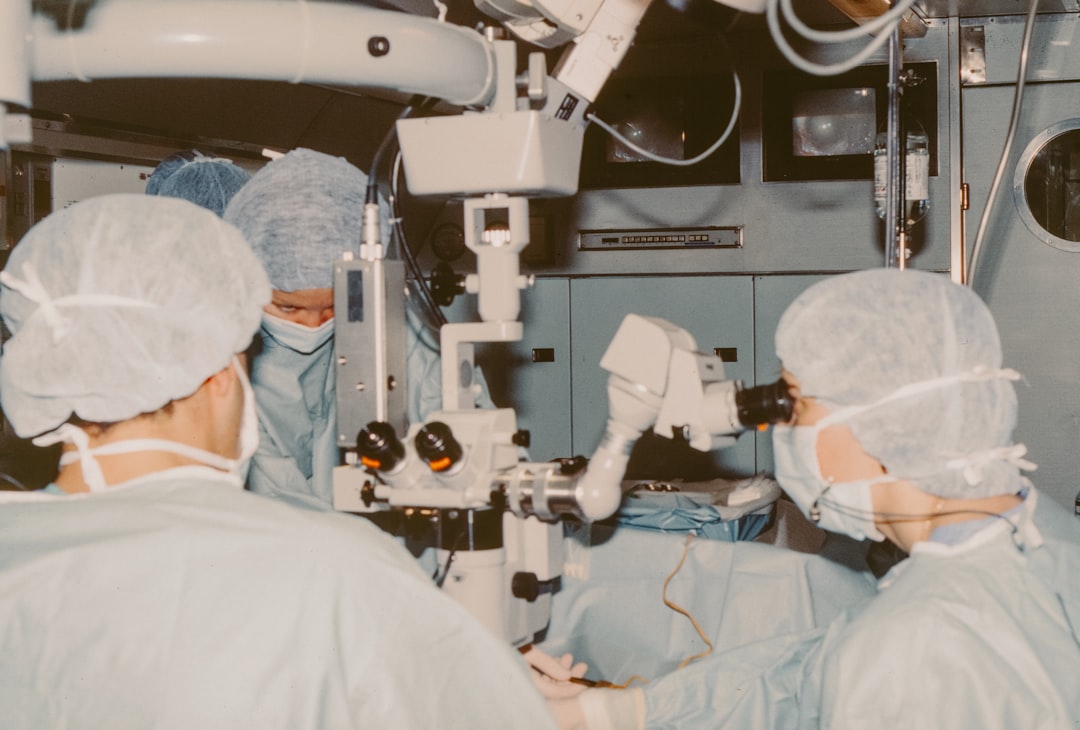
Operating rooms are one of the most device-dense indoor environments you’ll ever encounter. Surgical teams spend 6-12 hours a day surrounded by electronic medical equipment, WiFi networks, and nearby cell tower antennas — and staff often check phones during waiting periods between procedures.
If you’re a surgeon, nurse, anesthesiologist, or surgical technician, you’ve probably wondered: am I absorbing more RF radiation than the average person just by doing my job?
This study went inside 10 operating rooms across two Spanish hospitals, measured RF levels during 67 actual surgical procedures, and came back with a clear answer.
Check your EMF exposure
See cell towers, power lines, and substations near any US address.
Search Your AddressWhat They Did
The Setup
Researchers placed a calibrated RF exposimeter (Satimo EME Spy 140) in 10 operating rooms at two hospitals in Albacete, Spain:
- 7 operating rooms at the General University Hospital (HGU) — covering pediatric, orthopedic, emergency, vascular, ENT, general, and urological surgery
- 3 operating rooms at the Perpetuo Socorro Hospital (HPS) — covering ENT, general surgery, and traumatology
The exposimeter was mounted on a plastic tripod in a central, unobstructed location away from walls and electronic equipment, recording measurements every 5 seconds from 8:30 AM to 3:00 PM.
What They Measured
The device tracked 7 frequency bands spanning the major RF sources you’d encounter in any modern building:
- GSM + UMTS 900 MHz (uplink and downlink) — cell phone signals
- GSM 1800 MHz (uplink and downlink) — cell phone signals
- UMTS 2100 MHz (uplink and downlink) — 3G data
- 2.4 GHz WiFi — wireless networks
They monitored only active surgical periods — from when the patient entered the room to when they left. Total measurement time: 120 hours and 45 minutes across 67 surgical procedures.
Variables They Tracked
To understand what drives exposure levels, they analyzed by:
- Hospital location (proximity to cell towers)
- Individual operating room
- Number of people present (<10 vs. >10)
- Surgery duration (<2.5 hours vs. >2.5 hours)
- Surgery type (scheduled vs. emergency/complicated)
What They Found
The Bottom Line
All ambient RF-EMF exposure in every operating room stayed below 0.4% of the ICNIRP safety limit. Even under the worst-case conditions.
That means the highest exposure they recorded was 250 times below the threshold that international safety guidelines consider potentially concerning.
The Numbers
The dominant source of RF in operating rooms was WiFi — not cell towers, not phones:
- 2.4 GHz WiFi: Mean exposure of 58.82 µW/m² (highest of any band)
- GSM 1800 MHz uplink: Mean of 15.2 µW/m² (phone transmissions from staff)
- GSM + UMTS 900 MHz uplink: Mean of 11.0 µW/m²
To put those numbers in perspective: the ICNIRP reference level for 2.4 GHz is 10,000,000 µW/m² (10 W/m²). The highest mean they measured was 58.82 µW/m² — that’s 0.0006% of the limit.
What Drove Higher Exposure?
More people = more RF. Operating rooms with >10 people present showed higher uplink (phone transmission) levels, likely because more staff had active wireless devices.
Shorter surgeries had slightly higher ambient WiFi. This seems counterintuitive, but shorter procedures involve more prep/transition time when staff are more likely to use phones and tablets.
Hospital location mattered. The HPS hospital, surrounded by more cell tower antennas, showed higher downlink (tower-to-phone) levels on the 900 MHz band. But even there, levels remained far below limits.
One room was an outlier. Operating room Q22 at HPS had the highest WiFi exposure (mean 58.82 µW/m²), likely due to its specific position relative to nearby antennas and internal WiFi access points.
Emergency vs. Scheduled Surgery
No significant difference in RF exposure between emergency and scheduled surgeries. The surgical environment’s ambient RF is remarkably consistent regardless of urgency or complexity.
How This Compares to Other Environments
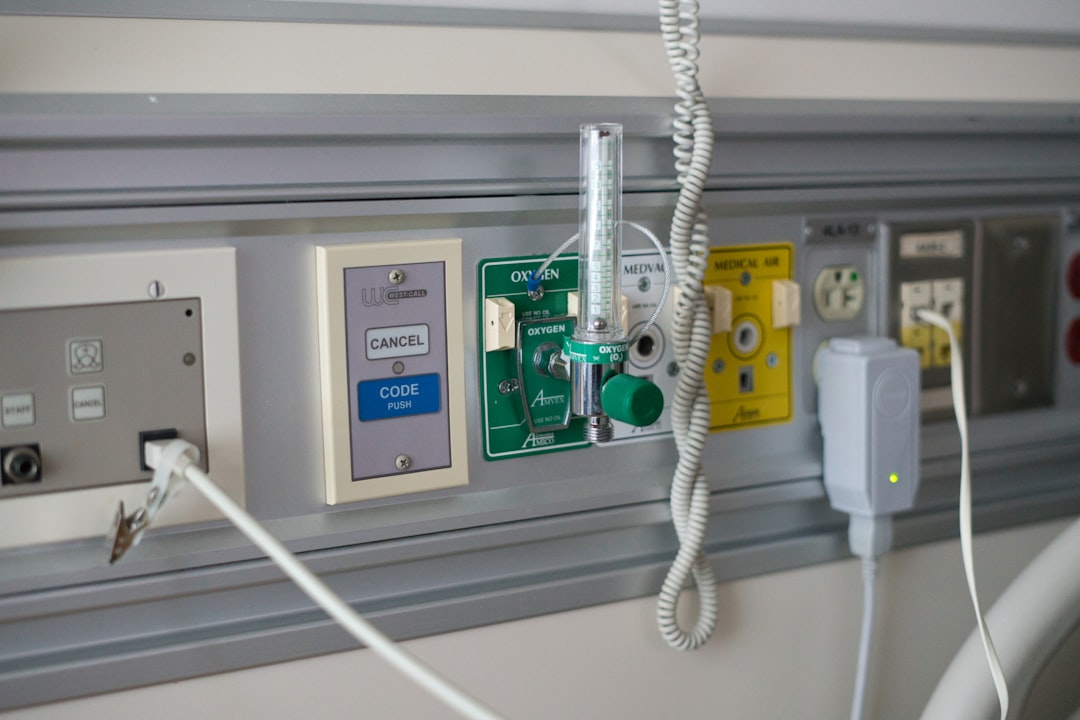
The exposure levels in Spanish operating rooms were comparable to — and sometimes lower than — levels measured in other indoor environments across Europe:
| Environment | Typical RF Exposure |
|---|---|
| Operating rooms (this study) | 0.2 – 58.8 µW/m² |
| Libraries | Similar range |
| Schools | Similar range |
| Public transport | Often higher (more active phone users) |
| Outdoor near cell towers | Often higher (direct line of sight) |
The takeaway: operating rooms aren’t special RF hotspots. Despite all the electronic equipment, the concrete/metal construction of hospitals actually provides decent shielding from external tower signals.
The Caveats
What This Study Didn’t Measure
- Electrosurgical equipment — cauterizing tools, diathermy devices, and other medical instruments that intentionally emit RF energy during surgery. These are known sources of occupational RF exposure in operating rooms, but they operate at different frequencies and serve therapeutic purposes.
- 5G signals — measurements were taken in early 2020, before 5G deployment was widespread in Spain.
- Personal device usage — the exposimeter measured ambient room levels, not the specific dose absorbed by any individual. A nurse holding a phone to their ear would have higher personal exposure than the room average.
Measurement Limitations
- Fixed-point measurement — placing the exposimeter on a tripod avoids body-shadowing effects but may not capture the exact exposure at a surgeon’s head or hand level.
- Single-city data — results from Albacete, Spain may differ from hospitals in dense urban centers with more cell tower infrastructure.
- Pre-5G timing — the 2020 measurement window predates widespread 5G rollout. Future studies should include 3.5 GHz and mmWave bands.
Our Take
This is a reassuring study for healthcare workers — and by extension, for anyone spending time in modern indoor environments.
The key insight isn’t just that operating rooms have low RF exposure. It’s that even in a worst-case indoor scenario — packed with people, electronic devices, WiFi networks, and located near cell towers — ambient RF levels barely register compared to international safety limits.
What this means for you:
- If you’re a healthcare worker: Your ambient RF exposure from telecom sources during surgery is negligible. The bigger occupational question is exposure from electrosurgical instruments, which this study didn’t address.
- If you’re a patient: The RF environment during your surgery, from wireless communications at least, is extremely low-level.
- If you’re concerned about indoor RF generally: These measurements add to a growing body of evidence that typical indoor environments — even device-dense ones — have ambient RF levels far below safety guidelines.
The one thing this study reinforces: WiFi is the dominant source of indoor RF exposure, not cell towers. If you’re thinking about reducing your daily RF exposure, your home WiFi router matters more than the nearest cell tower — though even WiFi levels were a tiny fraction of safety limits.
Read the Full Study
📄 Full paper (open access) — Peyró-Sánchez et al., Frontiers in Public Health, 2026.
More Study Spotlights
We break down the latest EMF research so you don’t have to wade through academic papers:
- 🔬 Are Cell Phone Safety Limits 100x Too High? — A provocative benchmark-dose analysis
- 🧠 Does Working Around RF Equipment Cause Brain Cancer? — A population-based study says no
Want to check the RF environment near your home or workplace? Search your address on EMF Radar →
Related Reading
- Study Spotlight: Are Cell Phone Safety Limits 100x Too High? New Analysis Says Yes.
- Study Spotlight: How Much 5G Radiation Actually Reaches Your Brain? Engineers Ran the Numbers
- Do WiFi Routers Cause Cancer? What Science Says in 2026
- Study: Does RF Exposure at Work Cause Brain Cancer?
Concerned about EMF? Check your address on EMF Radar to see nearby towers and power lines, or find a certified EMF consultant for professional testing.