Do WiFi Routers Cause Cancer? What Science Says in 2026
Quick Answer: No study has established a causal link between WiFi router exposure and cancer. WiFi operates at very low power levels (typically 0.1W, compared to a cell phone’s 1–2W) and produces RF exposure hundreds to thousands of times below international safety limits at normal household distances. However, WiFi is classified under the broader “possibly carcinogenic” RF category by WHO/IARC, and some researchers advocate precautionary measures — especially for children’s rooms and bedrooms.
“Does WiFi cause cancer?” is one of the most direct health questions people ask about the devices in their homes. It deserves a direct answer grounded in the actual research — the WHO/IARC classification, the major animal studies, and what real-world WiFi power levels mean for cancer risk specifically. That is what this article delivers.
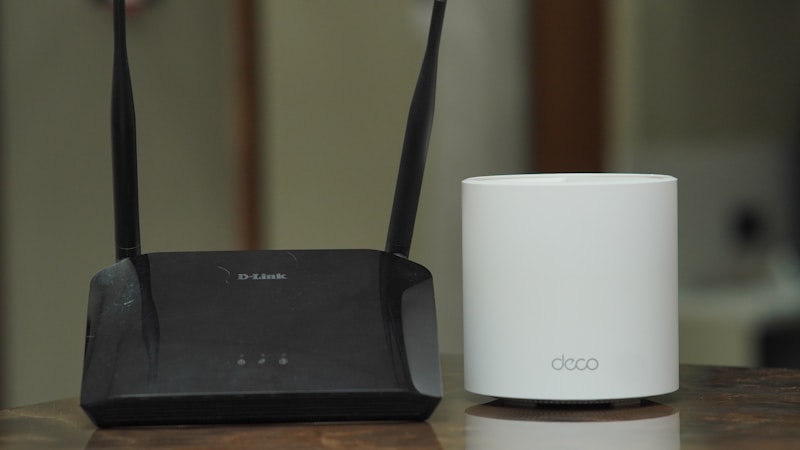
WiFi Router RF Exposure: The Numbers
Understanding the actual RF output helps frame the discussion:
How Much RF Does a WiFi Router Emit?
A typical home WiFi router operates at:
- Transmit power: 50–100 milliwatts (0.05–0.1W) per antenna — some high-performance routers up to 200 mW
- Frequency: 2.4 GHz and/or 5 GHz bands (WiFi 6E adds 6 GHz)
- Duty cycle: WiFi doesn’t transmit continuously. It sends data in short bursts. Actual average power output is much lower than peak power.
For comparison:
- A cell phone transmits at up to 2,000 mW (2W) — 20–40x more than a WiFi router — directly against your head
- A cell tower transmits at 20,000–50,000 mW per channel
- A microwave oven operates at 1,000,000 mW (1,000W) — though it’s shielded
Measured Exposure at Household Distances
Multiple measurement studies have quantified WiFi RF exposure in real homes:
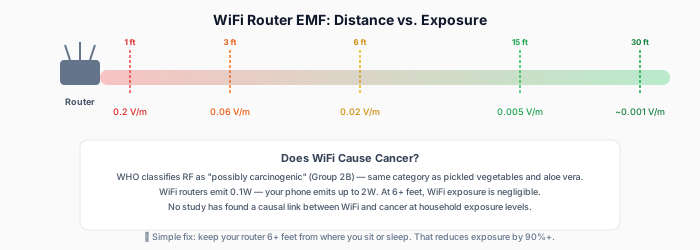
At 1 meter (3.3 feet) from the router: Typical peak power density: 0.01–0.05 mW/m². This is roughly 200,000–1,000,000 times below the ICNIRP general public limit of 10,000 mW/m².
At 3 meters (10 feet): Power density drops to approximately 0.001–0.005 mW/m² — approaching background urban RF levels.
At 5+ meters (16+ feet): WiFi signal is effectively indistinguishable from ambient RF noise in most environments.
Cumulative from multiple devices: A home with a router, mesh nodes, smart TV, laptop, and phones might see slightly higher cumulative RF, but still orders of magnitude below safety thresholds.
WiFi vs. Other Household RF Sources
In a typical home, your WiFi router is often not the dominant RF source. Measured contributions to total household RF:
- Cell phones (during calls): By far the strongest RF exposure to your body — especially when held against the head or in a pocket
- Cordless phones (DECT): Many DECT base stations transmit continuously at comparable or higher power than WiFi routers
- Smart meters: Brief, intermittent transmissions but can be surprisingly powerful during bursts
- WiFi router: Moderate but intermittent
- Bluetooth devices: Very low power (1–100 mW)
What Does the Research Say?
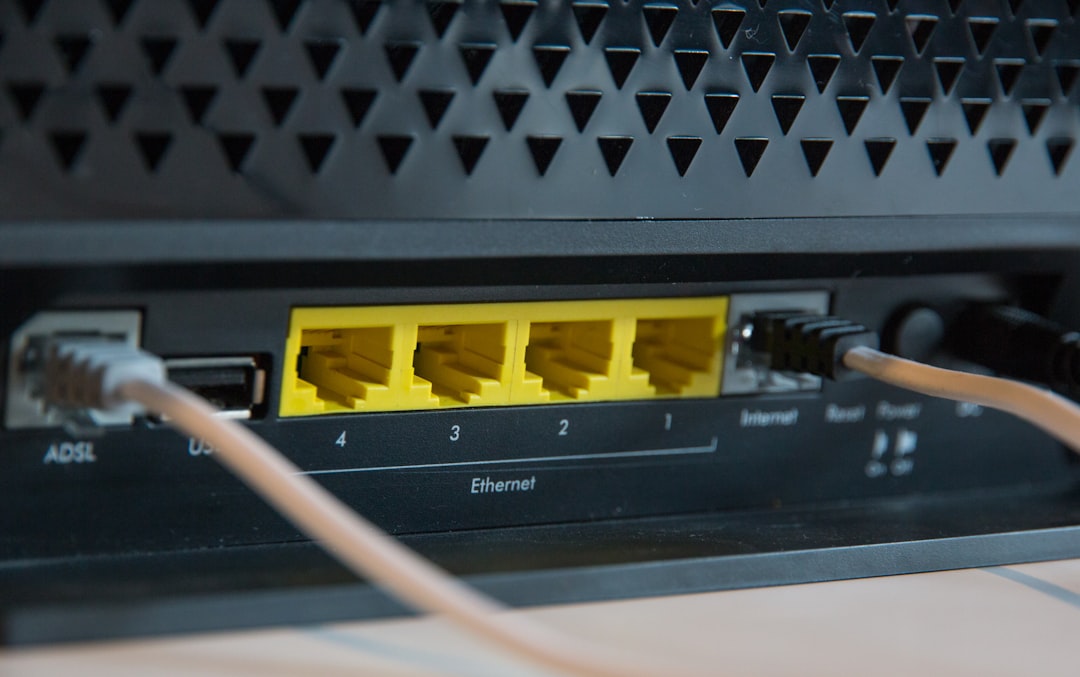

Major Studies on WiFi and Cancer
Specific WiFi studies are limited. Most RF health research focuses on cell phone radiation (which is much stronger and held against the body). Here’s what exists:
Pall (2018) — Review of WiFi biological effects: Martin Pall published a review claiming WiFi exposure produces oxidative stress, sperm/testicular damage, neuropsychiatric effects, and cellular DNA damage through voltage-gated calcium channel activation. This paper is widely cited by EMF advocacy groups but has been criticized for methodological issues — many of the referenced studies used exposure levels far above typical WiFi output, and the review was not systematic. For a comprehensive breakdown of the EMF and DNA damage evidence, see our dedicated guide.
Foster & Moulder (2013) — WiFi safety review: Concluded that “there are no published, peer-reviewed studies of health effects from Wi-Fi exposure” that demonstrate harm at typical consumer exposure levels. Noted that WiFi exposures are generally well below those from cell phones, which themselves haven’t been conclusively linked to cancer.
Dasdag et al. (2015) — Animal study: Found changes in brain tissue microRNA expression in rats exposed to 2.4 GHz WiFi for 24 hours/day over 12 months. The biological significance of these changes is unclear, and the exposure duration/pattern doesn’t closely mimic human WiFi use.
The NTP Study (Most Relevant Large Study)
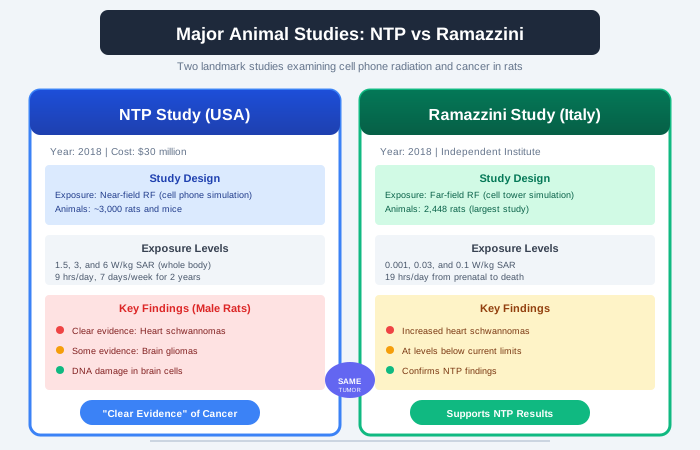
The US National Toxicology Program’s landmark $30 million study (2018) found “clear evidence” of heart tumors (schwannomas) and “some evidence” of brain tumors (gliomas) in male rats exposed to cell phone RF at 1.5, 3, and 6 W/kg whole-body SAR — for 9 hours per day over 2 years.
Relevance to WiFi:
- The exposure levels used were far higher than any WiFi router produces
- The rats’ whole-body SAR exposure was 5–30x above the FCC limit for localized cell phone SAR
- WiFi whole-body exposure at household distances is roughly 100,000x lower than the NTP study levels
- The study authors cautioned against extrapolating results to lower exposure levels
Ramazzini Institute Study (2018)
Found increased schwannoma incidence in rats exposed to 1.8 GHz RF at 0.001, 0.03, and 0.1 W/kg — lower levels closer to real-world cell tower exposure. While often cited as supporting the NTP findings, the study was criticized for small effect sizes, historical control issues, and the challenge of replicating the tumor type specificity.
Again, even the lowest exposure level (0.001 W/kg) is still significantly above typical WiFi router whole-body exposure.
Check your EMF exposure
See cell towers, power lines, and substations near any US address.
Search Your AddressWHO/IARC Classification
In 2011, the International Agency for Research on Cancer (IARC) classified RF electromagnetic fields as Group 2B: “possibly carcinogenic to humans.”
What does Group 2B actually mean?
- Group 1: Carcinogenic (tobacco, asbestos, processed meat)
- Group 2A: Probably carcinogenic (red meat, night shift work)
- Group 2B: Possibly carcinogenic (RF-EMF, pickled vegetables, talcum powder, aloe vera)
- Group 3: Not classifiable
Group 2B means there’s limited evidence of carcinogenicity in humans and less than sufficient evidence in animals. It’s essentially saying “we can’t rule it out, but we can’t confirm it either.”
The IARC classification was based primarily on evidence from heavy cell phone use — not WiFi routers. WiFi produces dramatically less exposure than the cell phone use patterns studied.
ICNIRP Updated Guidelines (2020)
The International Commission on Non-Ionizing Radiation Protection updated its RF exposure guidelines in 2020 after reviewing the NTP and Ramazzini studies. They concluded that existing limits remain protective and noted that these animal studies had limitations that prevented them from changing the overall risk assessment.
The Biological Mechanism Question
One key challenge for the “WiFi causes cancer” hypothesis is mechanism. Known carcinogens typically work by:
- Directly damaging DNA (like ionizing radiation or certain chemicals)
- Causing chronic inflammation (like asbestos or hepatitis)
- Disrupting hormonal signaling (like certain endocrine disruptors)
WiFi RF is non-ionizing radiation — it doesn’t carry enough energy per photon to break chemical bonds or directly damage DNA. A single WiFi photon at 2.4 GHz carries about 10 microelectronvolts of energy — roughly 100,000 times less than the minimum needed to ionize an atom.
The proposed alternative mechanisms include:
- Oxidative stress: Some studies show RF can increase reactive oxygen species in cells. This is plausible but the exposure levels in most positive studies far exceed WiFi output.
- Voltage-gated calcium channel activation: Proposed by Pall (2013) but not widely replicated at WiFi exposure levels.
- Thermal effects: WiFi doesn’t produce measurable tissue heating at any realistic distance.
The mechanism question doesn’t rule out harm — there could be pathways we don’t yet understand. But the lack of a clear mechanism at WiFi power levels makes a causal link less likely.
Children and WiFi: Extra Caution Warranted?

Children are often cited as a special concern because:
- Thinner skulls: Children’s skulls absorb more RF per unit volume than adults’
- Developing tissues: Growing cells may be more susceptible to disruption
- Lifetime exposure: A child born today will have 70+ years of WiFi exposure — a duration no study has evaluated
- Different usage patterns: Children may sleep closer to routers, use tablets for hours daily, etc.
Several countries have taken precautionary actions regarding children and WiFi:
- France: Banned WiFi in nurseries (under age 3) and required it to be disabled when not in use in elementary schools. See our article on EMF exposure in schools
- Israel: Limited WiFi exposure in schools and banned WiFi in kindergartens
- Cyprus: Removed WiFi from kindergartens and elementary schools
These policies reflect the precautionary principle rather than established harm — but they’re worth knowing about.
Practical Steps to Reduce WiFi Exposure
If you want to minimize WiFi RF exposure while maintaining connectivity, these steps are evidence-based and low-cost:
Router Placement
- Don’t put the router in bedrooms — you spend 7–8 hours sleeping near it if you do. Place it in a central, non-sleeping area.
- Maintain distance: Even 2–3 meters of distance from your primary sitting/sleeping areas reduces exposure by 4–9x versus being right next to it.
- Elevate the router: Placing it on a high shelf puts the antenna further from body height, especially for children.
Usage Habits
- Turn it off at night: A simple outlet timer ($5–10) can power down the router from 11 PM to 6 AM, eliminating 7 hours of RF with zero impact on daytime use. Many routers also have scheduled power-off in their settings.
- Use ethernet when possible: Wired connections for desktop computers, gaming consoles, and smart TVs eliminate unnecessary WiFi traffic.
- Reduce transmit power: Most router admin panels allow you to reduce WiFi transmit power from 100% to 50% or 75%. In a small apartment, you likely don’t need full power.
For Children’s Rooms
- No router in the nursery or child’s bedroom. Period.
- Use airplane mode on tablets/phones for offline content (downloaded videos, ebooks, offline games)
- Prefer wired connections for stationary devices in children’s rooms
For Maximum Reduction
- Consider a wired-only setup: Ethernet throughout the house with WiFi disabled. This is realistic for tech-savvy households with ethernet ports or powerline adapters.
- Use a router with good controls: Some routers (like ASUS) offer per-device scheduling, power control, and guest network isolation.
The Bigger RF Picture

If you’re concerned about WiFi and cancer, it’s worth putting WiFi in context with your total RF environment:
| Source | Typical Body Exposure | Duration | Control |
|---|---|---|---|
| Cell phone (to head) | 1,000–10,000x WiFi | During calls | High — use speaker/earbuds |
| Cell phone (in pocket) | 100–1,000x WiFi | Hours daily | High — carry in bag |
| Cordless phone base | Comparable to WiFi | 24/7 | High — switch to WiFi calling |
| Cell towers | Varies by distance | 24/7 | Low — check with EMF Radar |
| WiFi router | Baseline | 24/7 | High — distance, timer, wired |
| Smart meter | Brief high bursts | Intermittent | Low |
| Bluetooth | Lower than WiFi | During use | Moderate |
If cancer risk from RF exists, cell phones held against the body are a far greater concern than WiFi routers across the room. Reducing phone-to-body contact (using speaker mode, carrying in a bag) likely produces a larger exposure reduction than any WiFi modification.
The Bottom Line
The evidence does not support the claim that WiFi routers cause cancer at typical household exposure levels. The RF output is too low, the distance is too great, and no study has demonstrated harm from WiFi-specific exposures in realistic conditions.
However:
- WiFi RF falls under the WHO’s Group 2B classification, meaning cancer risk isn’t conclusively ruled out
- Long-term studies spanning decades of cumulative exposure don’t exist yet
- The precautionary principle is reasonable, especially for children
- Simple steps like router placement, nighttime shutdown, and wired connections can significantly reduce exposure with minimal inconvenience
The most rational approach: don’t panic, but don’t be dismissive. Take simple, low-cost steps to reduce unnecessary exposure — especially in bedrooms and children’s spaces — while recognizing that your cell phone, not your WiFi router, is likely your largest RF exposure source. If you want to minimize router emissions specifically, our low-EMF router guide covers which routers let you reduce transmit power and how to configure them. For a deeper look at the evidence, see our definitive guide: Does EMF Cause Cancer? and our overview of EMF and cancer research.
Concerned about RF infrastructure near your home? Search your address on EMF Radar to see all cell towers, power lines, and substations nearby — and get a free EMF proximity score.
Related Reading
- EMF and Cancer: A Review of Human and Animal Studies
- Do Power Lines Cause Cancer? What 40 Years of Research Shows
- EMF and Human Health: What the Science Actually Says
- Does EMF Affect Your Sleep? What 30+ Studies Found
Concerned about EMF in your environment? Check your address on EMF Radar to see nearby cell towers and power lines, or find a certified EMF consultant for professional testing.