This is part of our Study Spotlight series, where we break down the latest peer-reviewed EMF research into plain language. No hype, no dismissal — just what the science actually says.
If radiofrequency radiation from cell towers and broadcast antennas causes cancer, the people who should be getting it first are the ones who work on and around those towers every day. That’s what makes occupational cohort studies so valuable — they’re looking at the most exposed people on the planet.
The UK’s National Register of RF Workers has been tracking telecom and broadcast workers for years. Now the first preliminary cancer analysis is in, and the headline is straightforward: overall cancer rates are slightly below what you’d expect in the general population.
The one exception? Skin cancer — and that’s almost certainly from the sun, not the antennas.
The Study: What They Did
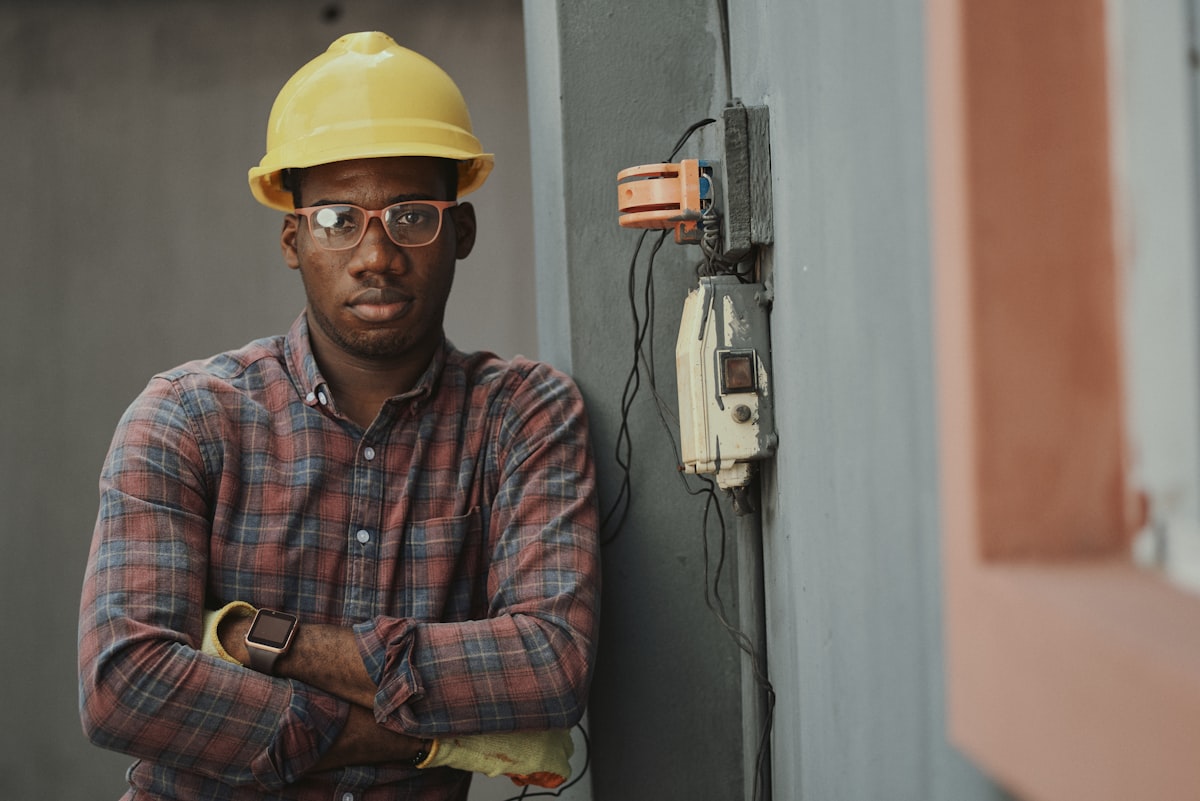
Published in the International Journal of Hygiene and Environmental Health (2026), this study analyzed cancer incidence among 1,777 employees (1,744 males and 33 females) drawn from the National Register of RF Workers — a long-standing database of workers in the UK’s telecommunication and broadcast industries.
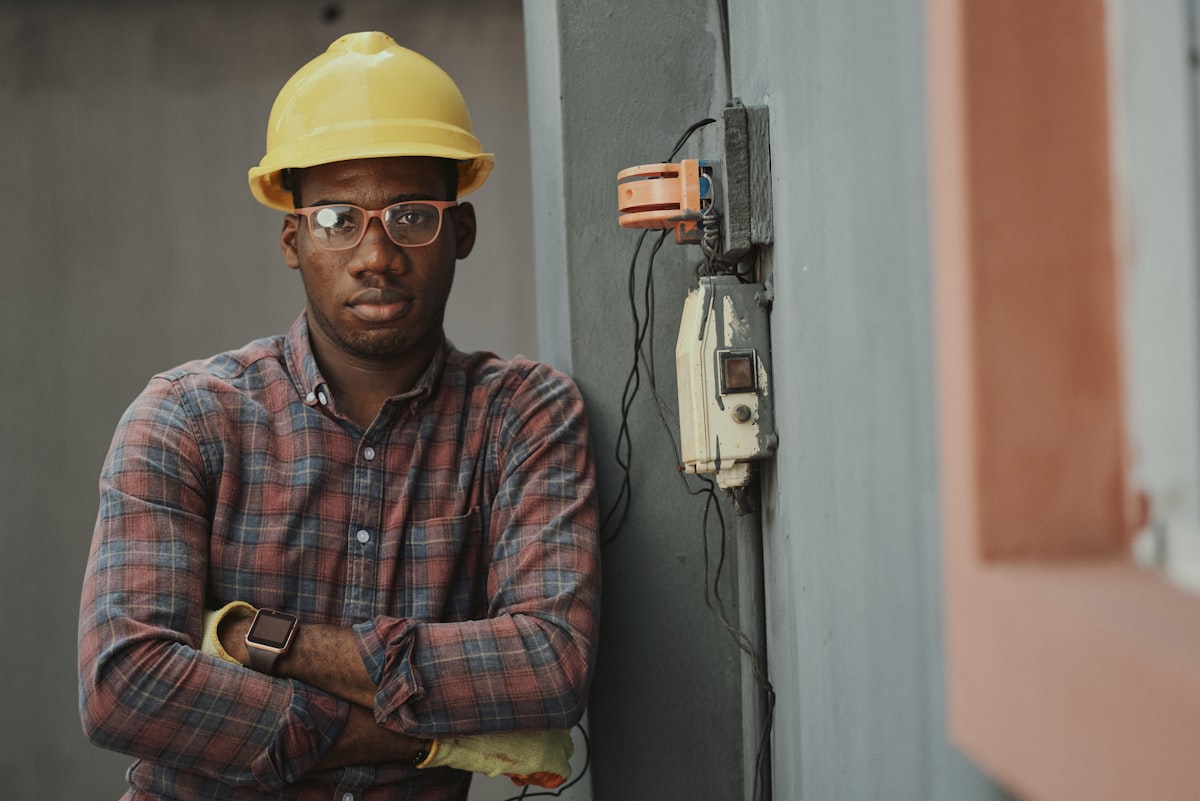
These are people who spend their careers in close proximity to powerful RF transmitters: cell tower technicians, broadcast engineers, antenna installers, and maintenance crews. Their occupational RF exposure is orders of magnitude higher than what any member of the public experiences from nearby towers or personal devices.
The researchers compared cancer registrations from NHS Digital against what you’d expect based on national rates, using standardized registration ratios (SRR). An SRR of 100 means cancer rates match the general population exactly. Above 100 means excess; below means deficit.
The Results
All Cancers Combined: Slightly Below Expected
| Measure | Value |
|---|---|
| Observed cancers | 39 |
| Standardized Registration Ratio | 93 |
| Interpretation | 7% fewer cancers than expected |
An SRR of 93 means these RF-exposed workers had slightly fewer cancers overall than the general UK population. This is not statistically significant — it could be chance, or it could reflect the “healthy worker effect” (employed people tend to be healthier than the general population, which includes the unemployed and those too sick to work). Either way, there’s no signal of excess cancer.
The One Exception: Non-Melanoma Skin Cancer
| Measure | Value |
|---|---|
| Observed cases | 25 |
| SRR | 177 |
| 95% Confidence Interval | 117–258 |
| P-value | < 0.01 |
This was the only statistically significant finding in the entire study: a 77% excess of non-melanoma skin cancer. Before anyone jumps to conclusions about RF, the researchers have a much simpler explanation.
Check your EMF exposure
See cell towers, power lines, and substations near any US address.
Search Your AddressThe Sun, Not the Antenna
Here’s the key context: telecom and broadcast workers predominantly work outdoors. They climb towers, install antennas on rooftops, maintain transmission equipment in the field — often for hours at a time, in all weather conditions.
Non-melanoma skin cancer is overwhelmingly caused by ultraviolet (UV) radiation from sun exposure. It’s one of the most well-established occupational hazards for outdoor workers across every industry, from construction to agriculture to telecom. The World Health Organization classifies UV radiation as a Group 1 carcinogen — the highest category, meaning there is sufficient evidence that it causes cancer in humans.
The study authors make this point directly:
“Amongst legitimate concerns over the health effects of long-term occupational exposure to RF in the telecommunication and broadcast sector it is important not to overlook the significant hazard of exposure to ultraviolet radiation in a workforce that predominantly works outside.”
They even recommend practical interventions: adjusting working hours during summer months and culturally tailored education on sun protection. The problem isn’t the technology — it’s forgetting to wear sunscreen.
How This Fits Into the Bigger Picture
This study joins a growing body of occupational research on RF workers:
- The Airwave study followed 48,457 UK police officers using TETRA radios for 11 years — no cancer link found
- The Australian occupational RF study looked at workers across multiple RF-exposed industries — no glioma risk increase
- The operating room RF study measured surgical staff exposure during 67 procedures — levels were < 0.4% of safety limits
Every time researchers look at populations with the highest RF exposure, the cancer signal isn’t there. The hazards that do show up — like skin cancer in outdoor workers — have explanations that have nothing to do with radiofrequency fields.
Limitations Worth Noting
This is a preliminary analysis, and there are some important caveats:
- Small cohort: 1,777 workers with 39 total cancers gives limited statistical power. Rare cancers may not show up at this sample size.
- No individual exposure data: The study doesn’t quantify each worker’s RF exposure level. “Telecom worker” covers a range from field technicians next to antennas to office-based engineers.
- Healthy worker effect: The SRR of 93 for all cancers may partly reflect that employed people are healthier on average, not that RF is protective.
- No latency analysis: Cancer can take decades to develop. If this cohort’s exposure started relatively recently, some effects might not yet be apparent.
- Preliminary: The authors explicitly frame this as preliminary. Future analyses with longer follow-up and refined exposure assessment will be more definitive.
These limitations mean the study can’t definitively prove RF is safe, but it can tell us there’s no obvious cancer excess in a highly exposed group — which, after decades of concern, is itself informative.
The Bottom Line
When you study people whose entire career revolves around working near powerful RF transmitters, and you find their cancer rate is slightly below the national average, that’s a meaningful data point. It doesn’t close the book on RF and cancer — this cohort is small, the analysis is preliminary, and individual exposure levels weren’t quantified. But it adds to a consistent pattern: occupational studies of the most RF-exposed workers keep coming back with the same answer.
The real occupational hazard for telecom workers? Wear sunscreen. Seriously.
Study Details
| Detail | Information |
|---|---|
| Paper | “Cancer incidence in telecommunication and broadcasting workers in the United Kingdom: Preliminary analysis of the National Register of RF Workers” |
| Authors | Litchfield |
| Journal | International Journal of Hygiene and Environmental Health |
| Year | 2026 |
| PMID | 41861567 |
| DOI | 10.1016/j.ijheh.2026.114785 |
| Type | Occupational cohort study |
| Our Rating | ✅ Reassuring — overall cancer below expectation; skin cancer excess attributed to UV, not RF |
Want to check cell tower exposure in your area? Use our free tower map tool to see what’s nearby — and understand the difference between proximity and actual exposure.
Related Reading
- Study Spotlight: 48,000 Police Officers Used Radios for 11 Years — No Cancer Link Found
- Study Spotlight: Italian Researchers Blasted Brain Cancer Cells with 4G LTE and WiFi Simultaneously — Nothing Happened
- Study Spotlight: Could the Same Radio Waves From Your Phone Help Treat Alzheimer’s?
- Study: NTP Cancer Study Replication — Japan & Korea Results
Concerned about EMF? Check your address on EMF Radar to see nearby towers and power lines, or find a certified EMF consultant for professional testing.