EMF and Sleep Apnea: Can Electromagnetic Fields Worsen Sleep-Disordered Breathing?
Quick answer: No study has directly linked EMF exposure to causing sleep apnea. But EMF can disrupt the biological systems that affect sleep apnea severity — particularly melatonin production, autonomic nervous system balance, and upper airway muscle tone. If you already have sleep apnea, reducing bedroom EMF might improve your sleep quality through these indirect pathways.

Why People Are Asking This Question
Sleep apnea affects an estimated 936 million people worldwide. Many sufferers notice their symptoms worsen in certain environments — and some have observed a pattern when sleeping near routers, phone chargers, or other electronics.
The search “EMF and sleep apnea” isn’t asking whether EMF causes apnea — it’s asking whether it makes existing sleep problems worse. That’s a more nuanced question with more interesting answers.
The Three Indirect Pathways
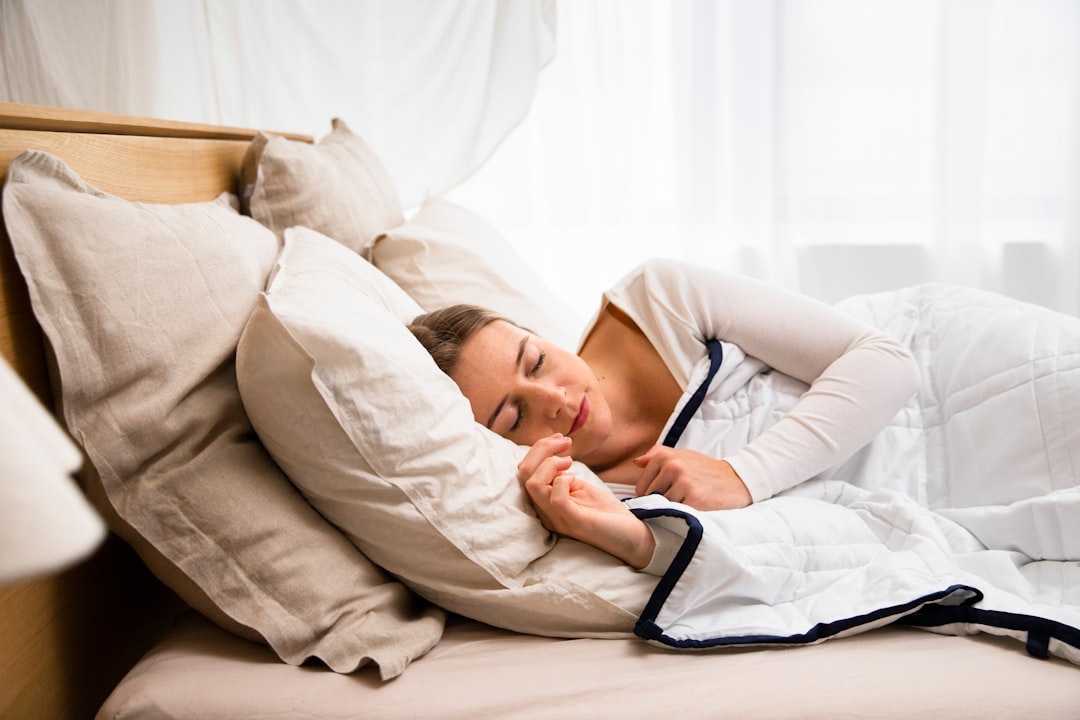
While no research has directly tested “EMF exposure → sleep apnea events,” three well-documented biological pathways connect them:
1. Melatonin Suppression → Upper Airway Tone
Melatonin does more than make you sleepy. It also helps maintain muscle tone in the upper airway — the muscles that keep your airway open during sleep.
The EMF connection:
- Belpomme & Irigaray (2020) found 28% of electrohypersensitive patients had low urinary melatonin metabolites (6-OHMS) — a clinical marker of suppressed melatonin
- Halgamuge (2013) reviewed 23 studies and concluded that most showed EMF effects on melatonin production, particularly ELF magnetic fields
- The pineal gland (which produces melatonin) contains magnetite crystals and is one of the most magnetically sensitive structures in the human brain
Why it matters for sleep apnea:
- Reduced melatonin → reduced pharyngeal dilator muscle tone → easier airway collapse
- Studies show melatonin supplementation can improve AHI (apnea-hypopnea index) in some patients
- If EMF suppresses melatonin, it could worsen the mechanical problem underlying obstructive sleep apnea
Strength of evidence: Moderate. The melatonin link is real but the chain from EMF → melatonin → airway tone → more apnea events is theoretical, not directly tested.
2. Autonomic Nervous System Imbalance → Central Apnea
EMF exposure has been shown to shift autonomic balance toward sympathetic dominance (fight-or-flight mode).
The evidence:
- Mansourian et al. (2024) meta-analysis: RF-EMF exposure significantly decreased SDNN (-0.227, p=0.006), SDANN (-0.526, p=0.03), and pNN50 (-0.287, p=0.024) — all markers of reduced parasympathetic (calming) activity
- Misek et al. (2018): 46 adolescents exposed to 1788 MHz showed altered autonomic balance during rest
- Multiple base station proximity studies show autonomic effects at residential exposure levels
Why it matters for sleep apnea:
- Central sleep apnea involves the brain failing to send proper breathing signals
- The autonomic nervous system regulates breathing drive during sleep
- Sympathetic dominance disrupts the normal parasympathetic shift that deepens sleep
- Fragmented autonomic regulation → more frequent arousals → less restorative sleep even when apnea events are controlled by CPAP
Strength of evidence: Moderate for autonomic effects; theoretical for the sleep apnea connection.
3. Sleep Architecture Disruption → Increased Vulnerability Window
Even without directly causing apnea events, EMF may alter sleep stages in ways that increase the time you spend in apnea-vulnerable states.
The evidence:
- Sousouri et al. (2025): 5G exposure RCT at the University of Zurich showed altered sleep EEG patterns in genotyped volunteers — specific to COMT genotype
- Borbély et al. (1999): GSM 900 MHz exposure altered sleep EEG power spectra (increased non-REM power density)
- Besset et al. (2024): In 29 preterm neonates, RF exposure increased sleep fragmentation at the highest measured levels
Why it matters for sleep apnea:
- Obstructive apnea events are most common during REM sleep (when muscle tone is lowest)
- Central apnea events are most common during light NREM sleep transitions
- Disrupted sleep architecture → more time in vulnerable stages → more opportunities for apnea events
- Sleep fragmentation prevents the consolidated deep sleep needed for physiological recovery
Strength of evidence: Moderate for sleep EEG effects; theoretical for sleep apnea severity.
Check your EMF exposure
See cell towers, power lines, and substations near any US address.
Search Your AddressWhat About CPAP Machines and EMF?
CPAP machines themselves produce EMF — a concern for patients who use them every night for decades.
CPAP EMF Sources
| Source | Type | Typical Level |
|---|---|---|
| Motor/blower | ELF magnetic field | 2–8 mG at head distance |
| Heated humidifier | ELF magnetic + electric | 3–12 mG at head distance |
| Power supply | Dirty electricity | Varies by brand |
| WiFi/Bluetooth data sync | RF | Low (intermittent) |
| Heated tubing | ELF | 1–3 mG along tube |
How to Reduce CPAP EMF
- Place the unit as far from your head as the tubing allows — even 2–3 feet makes a significant difference via inverse square law
- Disable WiFi/cellular data sync — most machines have an option to turn off wireless reporting (check settings or ask your provider)
- Use a battery pack when possible — eliminates power supply EMF and dirty electricity
- Position the power supply on the floor, not on your nightstand
- Don’t wrap heated tubing around your pillow — keep it along the bed edge
Important: Never stop using CPAP to avoid EMF. The health risks of untreated sleep apnea (hypertension, stroke, cardiac arrhythmia, daytime fatigue) are orders of magnitude greater than any theoretical EMF risk from the machine.
The Bigger Picture: EMF and Sleep Quality
Even if you don’t have diagnosed sleep apnea, EMF can affect sleep quality through multiple documented pathways:
- Melatonin timing disruption — delayed onset, reduced amplitude
- Sleep latency increase — taking longer to fall asleep
- Sleep fragmentation — more micro-arousals
- Reduced sleep efficiency — less time actually sleeping vs. time in bed
- Altered sleep architecture — changes in time spent in each sleep stage
All of these degrade sleep quality independently of apnea events. For sleep apnea patients, they compound an already compromised sleep.
Our complete EMF and sleep guide covers the sleep research in more depth.
Your Low-EMF Bedroom Checklist for Better Sleep
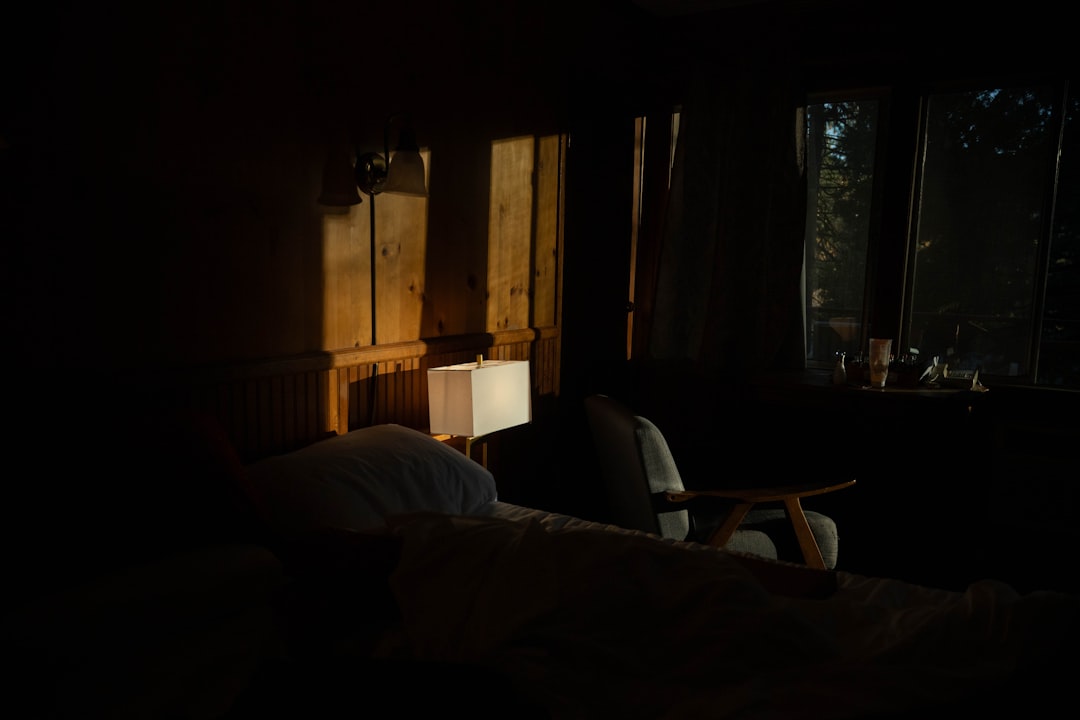
These steps help whether or not you have sleep apnea:
Tier 1: Free, Do Tonight
- Move your phone to airplane mode or across the room while sleeping
- Unplug unnecessary electronics within 6 feet of your head (chargers, lamps with transformers)
- Turn off WiFi router at night (use a timer outlet — $5-10)
- Remove or power down any smart speakers, baby monitors, or other always-on wireless devices in the bedroom
Tier 2: Low Cost ($10–50)
- Use a battery alarm clock instead of your phone
- Switch to a manual thermostat or move smart home hub out of bedroom
- Replace dimmer switches in the bedroom with standard switches (dimmers create dirty electricity)
- Get a basic EMF meter ($30-50) to identify hot spots — our testing guide walks you through it
Tier 3: For Sleep Apnea Patients Specifically
- Position CPAP away from head (max tubing distance)
- Disable CPAP wireless reporting if your data needs are met
- Consider a battery CPAP for travel (also eliminates power supply EMF)
- Measure your bedroom with an EMF meter — the TriField TF2 can identify if your CPAP is a meaningful source relative to other bedroom EMF
Tier 4: Environment Check
- Check cell tower proximity — search your address on EMF Radar to see nearby towers
- Check for exterior sources — smart meters on the wall behind your headboard, neighbor’s WiFi routers through thin walls
- Evaluate bed placement — moving your head 3-4 feet from an exterior wall can significantly reduce exposure from outside sources
What Actually Matters More Than EMF
For sleep apnea specifically, these factors have far stronger evidence:
- Weight management — 10% body weight loss can reduce AHI by 26-50%
- Sleep position — side sleeping reduces apnea events by 50%+ in many patients
- Alcohol avoidance — alcohol relaxes upper airway muscles, dramatically worsening apnea
- CPAP compliance — consistent use is the single biggest factor in outcomes
- Nasal breathing — addressing nasal obstruction (allergies, deviated septum) improves everything
- Bedroom humidity — dry air increases airway inflammation and resistance
EMF is worth addressing as part of comprehensive sleep hygiene, but it’s not in the top 5 factors for sleep apnea management. Don’t let EMF concerns distract from interventions with proven large effects.
The Research We Need
No one has run the study that would definitively answer this question:
Ideal study design: Double-blind, sham-controlled overnight polysomnography comparing AHI, oxygen desaturation index, and sleep architecture metrics in sleep apnea patients exposed to realistic bedroom-level RF and ELF fields vs. sham exposure. Measure melatonin metabolites, HRV, and subjective sleep quality.
Until this study exists, we’re connecting dots between known EMF biological effects and known sleep apnea mechanisms. The connections are biologically plausible but not proven.
Frequently Asked Questions
Can EMF from my phone cause sleep apnea?
No evidence suggests EMF causes sleep apnea. Obstructive sleep apnea is caused by physical airway anatomy, muscle tone, and neural control — factors determined by genetics, weight, age, and anatomy. EMF may theoretically worsen existing sleep apnea through melatonin and autonomic pathways, but it doesn’t create the underlying condition.
Should I stop using my CPAP machine because of EMF?
Absolutely not. Untreated sleep apnea causes hypertension, cardiac arrhythmia, stroke, daytime accidents, and cognitive decline. The well-documented health risks of stopping CPAP are incomparably greater than any theoretical EMF risk. Instead, minimize CPAP EMF with the tips above while continuing treatment.
Does melatonin help with sleep apnea?
Some studies show melatonin supplementation can modestly improve AHI (apnea-hypopnea index) and sleep quality in sleep apnea patients, likely through effects on upper airway muscle tone and sleep architecture. Discuss with your sleep physician before adding supplements — they may interact with other treatments.
Is it safe to sleep with a WiFi router in the bedroom?
Our WiFi distance guide covers this in detail. At typical bedroom distances (3+ meters), WiFi exposure is very low. But for optimizing sleep quality, moving the router to another room or using a timer outlet is an easy win with no downside.
Can a smart mattress or sleep tracker affect sleep quality?
Most sleep trackers use Bluetooth Low Energy (BLE) — very low power, intermittent transmission. Smart mattresses with WiFi or cellular connectivity produce continuous RF. For sleep apnea patients already optimizing their sleep environment, switching to a non-wireless tracker (or airplane mode) is reasonable. The tracking data value may outweigh the minimal EMF concern.
What EMF levels are normal in a bedroom?
For RF: below 10 µW/m² is considered precautionary per EUROPAEM guidelines. For ELF magnetic fields: below 1 mG (0.1 µT) during sleep is ideal. Many bedrooms measure 0.5–5 mG, primarily from wiring, nearby appliances, and external sources. Our bedroom guide has detailed reference tables.
Check cell tower proximity to your bedroom →
Build your low-EMF bedroom with our complete guide →
Find an EMF consultant for a professional bedroom assessment →