Electromagnetic Hypersensitivity: Symptoms, Science, and What Sufferers Report
Quick Answer: Electromagnetic hypersensitivity (EHS) is a condition where individuals report experiencing symptoms like headaches, fatigue, and difficulty concentrating when near electronic devices or wireless signals. While the symptoms are real and can significantly impact quality of life, scientific studies have not established a causal link between electromagnetic field (EMF) exposure and these symptoms. The World Health Organization recognizes EHS as a genuine health concern while noting that current evidence does not support EMF as the cause.
Key Facts at a Glance
| Aspect | Details |
|---|---|
| What it is | A self-reported sensitivity to electromagnetic fields from devices like phones, Wi-Fi routers, and power lines |
| Prevalence | Estimates range from 1-3% of the population claiming some degree of sensitivity |
| Common symptoms | Headaches, fatigue, concentration difficulties, sleep disturbances, skin sensations |
| WHO position | Symptoms are real but not proven to be caused by EMF exposure |
| Scientific evidence | Double-blind studies show people cannot reliably detect EMF presence |
| Recognition | Not currently classified as a medical diagnosis in most countries |
What Is Electromagnetic Hypersensitivity?

Electromagnetic hypersensitivity describes a condition in which people attribute various health symptoms to exposure to electromagnetic fields. These fields are produced by everyday technologies including mobile phones, Wi-Fi routers, computers, power lines, and household appliances. People who identify as having EHS report that proximity to these devices triggers a range of physical symptoms that diminish when they move away from the perceived source.
The condition goes by several names, including electromagnetic sensitivity, electrosensitivity, and idiopathic environmental intolerance attributed to electromagnetic fields (IEI-EMF)—the term preferred by the World Health Organization. This terminology reflects the scientific uncertainty about whether EMF actually causes the reported symptoms.
EHS exists on a spectrum. Some individuals report mild discomfort around certain devices, while others describe symptoms so severe that they fundamentally alter their lives. In extreme cases, people have relocated to remote areas, abandoned careers, or spent significant resources attempting to shield their homes from electromagnetic radiation.
Check your EMF exposure
See cell towers, power lines, and substations near any US address.
Search Your AddressCommonly Reported Symptoms
People with self-reported EHS describe a constellation of symptoms that they associate with EMF exposure. These symptoms are notably non-specific, meaning they overlap with many other health conditions and can have multiple potential causes.
Neurological Symptoms
Headaches represent the most frequently reported symptom among those who identify as electromagnetically sensitive. These range from mild tension headaches to severe migraines. Many sufferers describe a distinctive pattern where headaches begin shortly after exposure to a suspected EMF source and subside when they distance themselves from it.
Difficulty concentrating and cognitive difficulties are also commonly reported. People describe mental fog, trouble focusing on tasks, memory problems, and a general sense of mental sluggishness. Some report feeling disoriented or experiencing dizziness when near electronic devices.
Fatigue and Sleep Problems
Chronic fatigue affects many who report EHS. This exhaustion often persists despite adequate rest and can be debilitating enough to interfere with work and daily activities. The fatigue is frequently described as qualitatively different from normal tiredness—more profound and less responsive to sleep.
Sleep disturbances are particularly common among those who believe they are sensitive to EMF. Reports include difficulty falling asleep, frequent waking during the night, and unrefreshing sleep. Many sufferers specifically implicate bedroom electronics, Wi-Fi routers, or nearby cell towers as the source of their sleep problems.
Physical Sensations
Skin symptoms feature prominently in EHS reports. These include tingling, burning, prickling sensations, and redness, particularly on the face. Some people describe feeling warmth or heat emanating from devices, even when the devices produce no significant thermal output.
Other reported physical symptoms include heart palpitations, muscle aches, joint pain, ringing in the ears (tinnitus), and general feelings of physical discomfort or malaise. The range and combination of symptoms vary considerably between individuals.
Prevalence: How Common Is EHS?
Estimates of EHS prevalence vary widely depending on how sensitivity is defined and measured. Survey-based studies suggest that between 1% and 3% of the general population report some degree of sensitivity to electromagnetic fields. However, these figures represent self-reported sensitivity rather than clinically verified cases.
Geographic variation exists in reported prevalence rates. Some European countries, particularly Sweden and Germany, report higher rates of self-identified EHS, though this may reflect greater public awareness rather than actual differences in sensitivity. Sweden was among the first countries to recognize electromagnetic hypersensitivity, and this recognition may have influenced reporting rates.
The demographics of those reporting EHS show some patterns. Studies have found that women report EHS more frequently than men, and the condition appears more common in middle-aged adults. However, people of all ages and backgrounds report symptoms, and these demographic patterns may reflect reporting biases rather than actual susceptibility differences.
The WHO Position on EHS

The World Health Organization has addressed electromagnetic hypersensitivity directly and maintains a clear position that attempts to balance recognition of suffering with scientific evidence. The WHO acknowledges that EHS symptoms are real—the people reporting them genuinely experience distress and physical discomfort. However, the organization also states that scientific evidence does not establish EMF as the cause of these symptoms.
In its fact sheet on electromagnetic fields and public health, the WHO notes that EHS is characterized by a variety of non-specific symptoms that differ from individual to individual. The symptoms are certainly real and can vary widely in severity. Whatever its cause, EHS can be a disabling problem for the affected individual.
The WHO recommends that physicians take EHS symptoms seriously and focus on the health symptoms rather than the patient’s perceived need for EMF reduction. Treatment should aim to establish rapport with patients, provide accurate information about the current state of scientific knowledge, and address any underlying conditions that might be contributing to symptoms.
What Science Says: Provocation Studies
The most rigorous test of EHS involves double-blind provocation studies. In these experiments, researchers expose participants to either real EMF or sham (fake) exposure without telling them which condition they’re experiencing. If people are genuinely sensitive to EMF, they should be able to detect when real exposure occurs and report symptoms accordingly.
The results of these studies have been remarkably consistent. Across dozens of well-designed provocation studies, people who identify as electromagnetically sensitive cannot reliably tell when they are actually being exposed to EMF. Their symptom reports do not correlate with actual exposure—they report symptoms just as frequently during sham exposure as during real exposure.
A comprehensive review published in Bioelectromagnetics examined 46 double-blind provocation studies and found no evidence that EHS individuals could detect EMF presence at better than chance levels. The symptoms reported by participants appeared to be triggered by the belief that exposure was occurring rather than by actual electromagnetic fields.
These findings do not mean that EHS symptoms are imaginary or that sufferers are malingering. The symptoms are genuinely experienced. What the research suggests is that electromagnetic fields themselves are not the cause—something else is triggering these real symptoms.
Possible Explanations
Several hypotheses attempt to explain why people experience EHS symptoms if EMF is not the direct cause.
The Nocebo Effect
The nocebo effect—essentially the opposite of the placebo effect—represents the leading scientific explanation for many EHS symptoms. When people believe that something will harm them, that belief can actually trigger physical symptoms. The expectation of harm creates genuine physiological responses.
Research has demonstrated that the nocebo effect can produce headaches, fatigue, nausea, and many other symptoms reported by EHS sufferers. Studies show that simply telling people they are being exposed to EMF (even when they are not) can trigger symptom reports. This suggests that belief and expectation play a powerful role in EHS.
Other Environmental Factors
People who attribute symptoms to EMF may actually be responding to other environmental factors that correlate with electronic device use. Poor indoor air quality, inadequate lighting, noise, uncomfortable temperatures, and ergonomic issues often accompany technology-heavy environments.
Fluorescent lighting, which flickers at frequencies some people can perceive, may cause headaches and discomfort in sensitive individuals. Computer use involves extended periods of visual focus, repetitive motions, and static postures—all of which can produce fatigue, headaches, and musculoskeletal discomfort independent of any EMF exposure.
Underlying Health Conditions
Some researchers suggest that EHS symptoms may represent manifestations of other recognized conditions. Anxiety disorders, depression, chronic fatigue syndrome, and fibromyalgia all produce symptoms that overlap significantly with EHS reports. Stress, which is often present in those who worry about EMF exposure, can independently cause headaches, sleep problems, difficulty concentrating, and fatigue.

This does not imply that EHS sufferers have psychiatric conditions or that their symptoms are “all in their head.” Rather, it suggests that the constellation of symptoms they experience may have causes that are not yet fully understood or that stem from conditions that are treatable through conventional medicine.
Genuine Sensitivity Not Yet Measurable
Some researchers and advocates maintain that electromagnetic sensitivity may be real but that current scientific methods are insufficient to detect or measure it. They point out that science has historically failed to recognize conditions that were later validated, and that absence of evidence is not necessarily evidence of absence.
This hypothesis suggests that certain individuals may have physiological differences that make them genuinely sensitive to EMF at levels currently considered safe, but that existing measurement tools and study designs cannot capture this sensitivity. While this remains a minority scientific view, it cannot be definitively ruled out.
What Else Could It Be? A Differential Diagnosis
Many EMF-attributed symptoms have well-known medical causes that should be evaluated first:
Headaches:
- Tension headaches (stress, posture, screen time)
- Migraines (genetic/hormonal, with multiple triggers)
- Medication overuse headaches
- Cervical spine issues
- Eye strain from screens (not EMF — visual strain from focus distance and blue light)
- Dehydration
- Sleep apnea (leading to morning headaches)
Fatigue:
- Thyroid disorders (hypothyroidism is extremely common and underdiagnosed)
- Iron deficiency / anemia
- Vitamin D deficiency
- Sleep apnea
- Depression
- Diabetes
- Chronic fatigue syndrome
Sleep problems:
- Sleep apnea (affects ~25% of men and ~10% of women, most undiagnosed)
- Blue light from screens before bed (a real, well-documented effect — separate from EMF)
- Caffeine (half-life of 5–6 hours means afternoon coffee affects sleep)
- Alcohol (disrupts sleep architecture even in moderate amounts)
- Room temperature, light, noise
- Medications (many common drugs affect sleep)
Brain fog / concentration issues:
- Sleep disorders (even mild ones)
- ADHD (often undiagnosed in adults)
- Hormonal changes (perimenopause, testosterone decline)
- Medication side effects
- Nutritional deficiencies (B12, iron, omega-3)
This is not to dismiss EMF concerns. It’s to ensure you don’t attribute symptoms to EMF when a treatable medical condition is responsible. See your doctor. Get bloodwork. Rule out the common causes first.
What Sufferers Report and Experience
Understanding EHS requires listening to those who live with it. Many people describe a pattern of gradually developing sensitivity, often beginning with vague discomfort around certain devices and progressing to more severe and wide-ranging symptoms.
Sufferers frequently report a discovery process in which they initially did not connect their symptoms to EMF. Many describe years of unexplained illness before identifying electromagnetic fields as the apparent cause. This identification often comes as a relief—finally having an explanation for mysterious symptoms—but also brings new challenges.
The social dimension of EHS can be profoundly isolating. Sufferers report that friends, family, and medical professionals often dismiss their experiences. They describe feeling disbelieved, stigmatized, or labeled as hypochondriacs. This dismissal compounds their suffering and can lead to social withdrawal and depression.
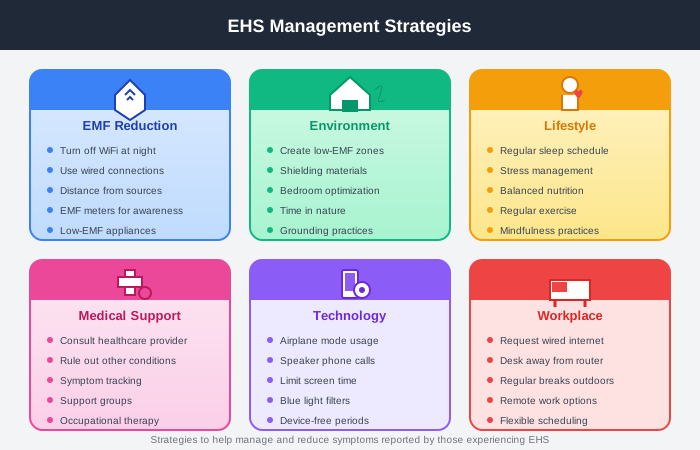
Many EHS sufferers have made significant life changes in response to their condition. These include removing wireless devices from homes, using shielding materials, avoiding public spaces with strong EMF, changing jobs, and in some cases relocating to areas with minimal electromagnetic infrastructure. Some have moved to designated “quiet zones” or remote rural areas.
The financial impact can be substantial. Shielding materials, specialized housing, medical consultations, and lost income add up. Some sufferers spend thousands of dollars on EMF meters, protective clothing, and home modifications.
Symptom Management Strategies
Whether or not EMF is the true cause of symptoms, people experiencing EHS deserve support in managing their condition. Several approaches may help reduce symptoms and improve quality of life.
Medical Evaluation
A thorough medical evaluation can identify underlying conditions that might be causing or contributing to symptoms. Thyroid disorders, sleep apnea, anemia, and other treatable conditions can produce fatigue, cognitive difficulties, and other EHS symptoms. Addressing these conditions may resolve or reduce symptoms.
Stress Reduction
Given the significant role that stress and anxiety appear to play in EHS, stress reduction techniques may help. Cognitive behavioral therapy has shown promise in helping some EHS sufferers manage their symptoms. Mindfulness practices, relaxation techniques, and regular exercise may also provide relief.
Environmental Improvements
Improving overall environmental quality may reduce symptoms regardless of their cause. Better lighting, improved air quality, comfortable temperatures, and ergonomic workspaces can reduce headaches, fatigue, and other symptoms. These changes may help even if EMF itself is not the trigger.
Sleep Hygiene
Improving sleep habits can address fatigue and cognitive symptoms. This includes maintaining consistent sleep schedules, creating dark and quiet sleeping environments, limiting screen time before bed, and addressing any sleep disorders. Better sleep often improves daytime symptoms.
Support Networks
Connecting with others who experience EHS can reduce isolation and provide emotional support. While support groups should be approached thoughtfully—as they can sometimes reinforce beliefs that may not be helpful—the validation and practical advice they offer can benefit many sufferers.
Related Reading
- EMF and Migraines — migraines are one of the most commonly reported EHS symptoms. A 30-study meta-analysis found a 30% increased headache risk with mobile phone use
- EMF and Fatigue — chronic fatigue is another hallmark EHS complaint, with research on melatonin disruption and oxidative stress
- What Is EMF Radiation? — A beginner’s guide to the types of electromagnetic fields you encounter daily
- EMF and Sleep: What the Research Says — Sleep disruption is one of the most common EHS complaints — here’s what studies show about EMF and sleep quality
- EMF Exposure Symptoms: What Does the Research Say? — A broader look at reported EMF health effects and the evidence behind them
- How to Measure EMF in Your Home — If you want to understand your actual exposure levels, start here
- How to Reduce EMF Exposure at Home — Practical steps to lower your exposure, whether or not you’re EHS-sensitive
- EMF and Cancer Research — The broader question of EMF health effects, reviewed
- Check EMF levels at any address → — Use our free interactive map to see cell towers and EMF exposure near you
Frequently Asked Questions
Is electromagnetic hypersensitivity a recognized medical condition?
EHS is not formally recognized as a medical diagnosis in most countries, including by the WHO. Sweden is an exception, treating EHS as a functional impairment that entitles sufferers to certain accommodations. The lack of official diagnosis does not mean symptoms are not real—it reflects scientific uncertainty about the cause and mechanism of the condition. Some researchers have proposed immune system pathways (oxidative stress, NF-κB activation) as potential mechanisms, but these remain unproven in humans at everyday exposure levels.
Can EMF from phones and Wi-Fi actually harm health?
Current scientific consensus, based on decades of research, is that EMF from consumer devices at typical exposure levels does not harm health. The electromagnetic fields produced by phones, Wi-Fi, and similar devices are non-ionizing radiation, meaning they lack sufficient energy to damage DNA or cells. However, research continues, and some scientists advocate for continued monitoring.
Why do I feel symptoms around electronics if studies say EMF is not the cause?
The symptoms you experience are real, but their cause may not be what you believe. The nocebo effect can produce genuine physical symptoms when you expect harm. Additionally, other environmental factors associated with electronic devices—lighting, noise, posture, air quality—may be triggering your symptoms. A medical evaluation can help identify potential causes.
Should I take precautions to reduce EMF exposure?
If reducing EMF exposure makes you feel better, there is generally no harm in taking reasonable precautions. However, extensive and expensive measures may not be necessary or helpful. Focus on overall environmental quality and wellbeing rather than EMF specifically. If symptoms significantly impact your life, seek medical evaluation to explore all possible causes.
Are some people more sensitive to EMF than others?
Provocation studies have not identified any individuals who can reliably detect EMF presence, suggesting that genuine electromagnetic sensitivity, if it exists, is not measurable with current methods. However, individual variation exists in many physiological responses, and it remains theoretically possible that some people respond differently to EMF in ways not yet understood.
What should I do if I think I have EHS?
Start with a thorough medical evaluation to rule out other conditions that could explain your symptoms. Keep an open mind about potential causes. Consider whether stress, anxiety, sleep problems, or environmental factors might be contributing. Seek support from understanding healthcare providers and consider cognitive behavioral therapy, which has helped some EHS sufferers regardless of the symptom source.
The Bottom Line
Electromagnetic hypersensitivity represents a genuine challenge for those who experience it. The symptoms—headaches, fatigue, difficulty concentrating, sleep problems, and skin sensations—are real and can significantly diminish quality of life. People who report EHS deserve compassion, respect, and appropriate medical care.
At the same time, decades of scientific research, including rigorous double-blind provocation studies, have not established a causal link between electromagnetic field exposure and these symptoms. The World Health Organization and major health agencies conclude that while EHS symptoms are real, EMF has not been proven to cause them. The nocebo effect, other environmental factors, and underlying health conditions likely explain many cases.
This scientific uncertainty does not diminish the suffering of those affected. Whether the trigger is EMF, stress, environmental factors, or something not yet understood, people experiencing these symptoms need and deserve help. The most productive approach focuses on symptom management, medical evaluation for treatable conditions, stress reduction, and maintaining an open mind about causes.
As research continues and our understanding of human physiology deepens, answers may become clearer. Until then, those experiencing EHS symptoms should work with supportive healthcare providers to find relief, while the broader community should respond with empathy rather than dismissal. Real symptoms deserve real compassion, regardless of their ultimate cause.