If you’ve searched “can EMF cause heart problems” or “EMF and arrhythmia,” you’re probably either experiencing unexplained cardiovascular symptoms or trying to evaluate whether your exposure to cell phones, WiFi, or power lines poses a real risk to your heart.
Here’s what we can tell you upfront: a 2024 meta-analysis of 15 experimental studies found that electromagnetic field exposure is associated with measurable decreases in heart rate variability — a key marker of cardiovascular health. But the story is more nuanced than “EMF is bad for your heart.” Let’s break down what the science actually shows, mechanism by mechanism.
Heart Rate Variability: The Best Biomarker We Have
Before diving into EMF studies, you need to understand why researchers focus on heart rate variability (HRV) rather than heart attacks or arrhythmia directly.
HRV measures the variation in time between heartbeats. A healthy heart doesn’t beat like a metronome — it speeds up slightly when you inhale and slows down when you exhale. This variation is controlled by your autonomic nervous system (ANS), and higher HRV generally indicates better cardiovascular fitness and stress resilience.
Low HRV is associated with:
- Higher risk of cardiovascular disease
- Post-heart-attack mortality
- Chronic stress and burnout
- Diabetes complications
- Depression
HRV is the gold standard for assessing whether an environmental exposure affects your autonomic nervous system — which is why EMF researchers measure it. It’s sensitive enough to detect subtle effects that wouldn’t show up as “disease” for decades.
The Meta-Analysis: 15 Studies, 1,601 Papers Screened (Mansourian 2024)

The most comprehensive analysis of EMF’s cardiovascular effects is a 2024 systematic review and meta-analysis published in Reviews on Environmental Health. Researchers screened 1,601 papers from five databases (PubMed, Scopus, Web of Science, Embase, Cochrane) and included 15 original experimental studies.
What they found:
| HRV Parameter | Effect Size | p-value | Meaning |
|---|---|---|---|
| SDNN | -0.227 | 0.006 | Reduced overall HRV ⬇️ |
| SDANN | -0.526 | 0.03 | Reduced long-term HRV ⬇️ |
| PNN50 | -0.287 | 0.024 | Fewer large beat-to-beat variations ⬇️ |
| LF (low frequency) | 0.061 | 0.714 | No significant change |
| HF (high frequency) | -0.134 | 0.556 | No significant change |
| LF/HF ratio | 0.079 | 0.566 | No significant change |
Translation: EMF exposure was associated with statistically significant decreases in three key HRV time-domain measures (SDNN, SDANN, PNN50). These represent reduced overall heart rate variability — meaning the heart becomes slightly more “metronomic” and less adaptively responsive.
The frequency-domain measures (LF, HF, LF/HF ratio) — which separate sympathetic and parasympathetic contributions — showed no significant effects. This is actually informative: it suggests EMF isn’t shifting the balance between “fight or flight” and “rest and digest,” but rather reducing the overall variability of the system.
Effect sizes matter. The effect sizes are small to moderate (-0.2 to -0.5). For context, the effect of a single night of poor sleep on HRV is typically larger than what these studies found from EMF exposure. But chronic, sustained reductions in HRV — even small ones — are associated with long-term cardiovascular risk.
Check your EMF exposure
See cell towers, power lines, and substations near any US address.
Search Your AddressThe Adolescent Study: Real Kids, Real Exposure (Misek 2018)
A carefully controlled study from Comenius University in Slovakia exposed 46 healthy adolescent students to 1788 MHz pulsed waves (simulating a GSM cell phone) at 54 V/m — roughly equivalent to holding a phone to your ear.
Key findings:
- RF exposure decreased heart rate in subjects lying down, but not standing
- After exposure while lying, parasympathetic activity increased (higher HF band and RMSSD)
- Tympanic and skin temperature showed no heating — this was a non-thermal effect
- No subject could distinguish real exposure from sham when asked
This study is important for two reasons:
- It found a real, measurable effect — RF-EMF altered cardiac autonomic regulation in healthy teenagers
- The effect was parasympathetic dominance, not sympathetic stress — meaning the heart slowed and HRV patterns shifted toward relaxation, not anxiety
This contradicts the common fear narrative that EMF “stresses” your heart. In this study, the acute effect was the opposite — more like mild sedation of the cardiac autonomic system.
The Systematic Review: What 50/60 Hz Does to Hearts (Elmas 2016)
A systematic review in Toxicology and Industrial Health examined the full body of research on EMF and the heart. The findings break down by frequency:
Power-frequency EMF (50-60 Hz — from wiring, appliances, power lines):
- No consensus on whether long-term or short-term exposure negatively affects the heart
- Some animal studies show effects at high field strengths
- The body may develop compensatory mechanisms over time, masking acute effects
- At very high exposures or very short durations, compensation fails and effects become apparent
Cell phone frequencies (RF-EMF):
- Studies generally show no effect on the heart at typical cell phone exposure levels
- This aligns with the Misek 2018 finding that effects required relatively high exposure (54 V/m, much more than typical phone use)
Therapeutic EMF:
- Interestingly, EMF is used therapeutically for heart conditions — PEMF (pulsed electromagnetic field) therapy can treat myocardial ischemia
- This highlights that EMF’s relationship with the heart isn’t simply “damage” — it’s more like a complex physiological interaction
The Broadcasting Worker Studies

Workers in radio and television broadcasting stations are exposed to RF-EMF levels orders of magnitude higher than the general public. A 2012 study of broadcasting workers in Poland found HRV alterations consistent with autonomic dysfunction — particularly in workers with the longest exposure duration.
These occupational studies are important because they represent the “high end” of what chronic RF-EMF exposure does. If broadcasting workers show HRV changes, it validates the biological plausibility of the meta-analysis findings. But their exposure levels (often 1-10 V/m continuously for 8+ hours) are vastly higher than what you get from a WiFi router or cell phone on a nightstand.
EMF and Arrhythmia: What About Irregular Heartbeat?
This is where the search queries get specific — “EMF heart arrhythmia” and “can EMF cause heart problems” suggest people are experiencing palpitations or irregular heartbeats and wondering if EMF is the cause.
The direct evidence is weak. No well-designed study has demonstrated that typical environmental EMF exposure causes arrhythmia in people without pre-existing cardiac conditions.
However, there are caveats:
Cardiac implants. Pacemakers and ICDs (implantable cardioverter-defibrillators) can be affected by strong electromagnetic fields. MRI machines, airport security wands held too close, and high-power industrial equipment are known risks. Our pacemaker EMF guide covers this in detail. Cell phones held directly against a pacemaker pocket can theoretically interfere — the FDA recommends keeping phones 6 inches away from implants.
The anxiety-palpitation loop. EMF anxiety itself can cause palpitations. If you’re hypervigilant about EMF exposure, the stress response (elevated cortisol, sympathetic activation) can directly cause the heart symptoms you’re attributing to EMF. This isn’t “it’s all in your head” — stress-induced arrhythmia is a real medical phenomenon. It’s just that the cause may be the worry, not the waves.
Autonomic dysregulation. If EMF does reduce HRV as the meta-analysis suggests, this could make the autonomic nervous system less resilient to triggers that cause palpitations. Think of reduced HRV as a lower buffer — not a direct cause of arrhythmia, but potentially a factor that makes your heart less adaptable to other stressors.
EMF and Heart Disease: The Long View
Can chronic EMF exposure contribute to heart disease? The epidemiological evidence is thin:
- Power line workers have been studied extensively. Meta-analyses of occupational ELF-EMF exposure and cardiovascular mortality have produced inconsistent results — some show slightly elevated risk, others show no association.
- Cell phone use has not been associated with cardiovascular disease in any population study. The COSMOS study (ongoing, 300,000+ participants in 6 countries) is tracking this but hasn’t reported cardiovascular endpoints yet.
- Oxidative stress — the mechanism most commonly proposed for EMF health effects — is also the primary mechanism of atherosclerosis. This creates theoretical plausibility for a connection, but theoretical plausibility isn’t evidence.
The honest assessment: If EMF contributes to heart disease risk, the effect size is almost certainly tiny compared to established risk factors (smoking, diet, exercise, genetics, blood pressure, cholesterol). No cardiologist would list “EMF exposure” in a differential diagnosis for cardiovascular disease.
What If You’re Experiencing Heart Symptoms?
If you’re having palpitations, chest tightness, or irregular heartbeat and you’ve landed on this article looking for answers:
1. See a doctor first. Seriously. Heart symptoms have many causes — most benign (caffeine, anxiety, dehydration, electrolyte imbalance) and some serious (arrhythmia, valve disease, cardiomyopathy). Don’t self-diagnose with EMF.
2. Track your symptoms with a log. Note the time, what you were doing, what devices were nearby, your caffeine intake, stress level, and sleep quality. After two weeks, you’ll likely see patterns — and they probably won’t correlate with EMF exposure.
3. If you still suspect EMF after ruling out medical causes:
- Measure your environment with an EMF meter
- Reduce exposure in your bedroom (see our low-EMF bedroom guide)
- Try sleeping with your phone in airplane mode for two weeks and see if symptoms change
- Check your home’s power line EMF fields, especially near where you spend the most time
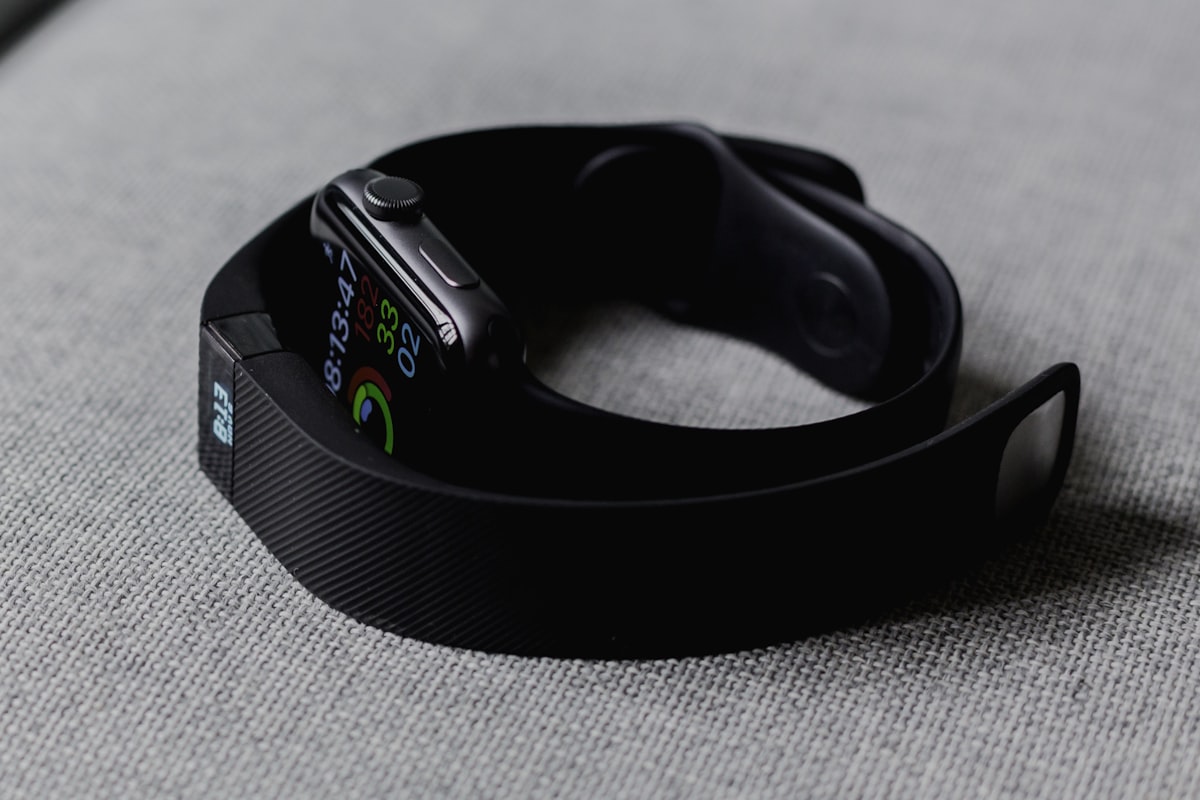
4. Consider HRV monitoring. Wearable devices (Apple Watch, Oura Ring, WHOOP) track HRV over time. If EMF is meaningfully affecting your autonomic nervous system, you’d see HRV changes correlating with exposure changes. This is the most objective way to test the hypothesis for yourself.
The Practical Takeaway
Here’s what the cardiovascular evidence actually supports:
Established: EMF exposure is associated with small, measurable reductions in heart rate variability across 15 experimental studies. The effect is statistically significant but clinically modest.
Probable: High-intensity occupational RF-EMF exposure (broadcasting workers, power line workers) can alter autonomic nervous function over time.
Not established: EMF as a direct cause of arrhythmia, heart attack, or heart disease in the general population.
Reasonable precautions:
- Keep your phone away from your chest, especially if you have a cardiac implant
- Don’t sleep with your phone on your chest or under your pillow
- If you work in a high-EMF environment, discuss HRV monitoring with your doctor
- Optimize the factors that actually drive cardiovascular health: exercise, sleep, diet, stress management
The heart is an electrical organ — it literally runs on coordinated electrical impulses. It’s biologically plausible that external electromagnetic fields interact with cardiac electrophysiology. The meta-analysis shows they do, at least subtly. But the gap between “measurable HRV reduction” and “heart disease” is enormous, and the established cardiovascular risk factors are orders of magnitude more impactful.
FAQs
Can EMF cause heart palpitations? No well-designed study has demonstrated that typical environmental EMF exposure directly causes palpitations. However, reduced HRV from EMF exposure could theoretically lower your autonomic system’s resilience to other palpitation triggers. Anxiety about EMF is a more likely cause of palpitations than EMF itself. We cover this more in our heart palpitations article.
Is it safe to keep my phone near my heart? For people without cardiac implants, there’s no evidence that a phone in your breast pocket causes heart problems at typical exposure levels. For people with pacemakers or ICDs, the FDA recommends keeping phones at least 6 inches from the device. See our pacemaker guide for details.
Can WiFi affect your heart rate? WiFi routers operate at much lower power than cell phones (typically 0.1 W vs 0.6 W for phones, and you’re usually farther from the router). No study has found WiFi-specific effects on heart rate. The meta-analysis findings came primarily from studies using cell phone frequencies and ELF fields, not WiFi.
Does EMF cause high blood pressure? The Hutter 2006 study found that people living closer to cell tower base stations reported higher rates of cardiovascular symptoms. However, epidemiological associations don’t prove causation — people near cell towers may differ from those far away in many other ways. We covered blood pressure specifically in our EMF and blood pressure article.
What EMF level is dangerous for the heart? No specific EMF threshold has been established for cardiac effects. The meta-analysis included studies with a wide range of exposure levels. The ICNIRP guidelines are designed to prevent all known health effects including cardiac, but some researchers argue these limits don’t account for non-thermal effects on the autonomic nervous system.
Should I be worried about EMF and my heart? For most people, no. The established cardiovascular risk factors (smoking, inactivity, poor diet, high blood pressure, high cholesterol, diabetes, family history) are each individually hundreds to thousands of times more impactful than any demonstrated EMF effect. Address those first. EMF reduction is a reasonable secondary optimization, not a primary health intervention.
Related Reading
- 10 Common 5G and EMF Myths Debunked by Science
- EMF and Headaches: Can Wireless Devices Cause Pain?
- EMF and Human Health: What the Science Actually Says
- What Is EMF Radiation? The Complete Science Explained
Want to check your exposure? Search your address on EMF Radar to see cell towers, power lines, and substations nearby. For a professional assessment, find a certified EMF consultant in your area.