
Study Spotlight: What If EMF Could Heal? Researchers Used Radio Waves to Treat Liver Damage
Part of our Study Spotlight series — breaking down new EMF research into plain English. No jargon. No agenda. Just what the science says.
The Study at a Glance
| 📄 Title | Synergistic Mitigation of Endotoxin-Induced Liver Injury by Low-Frequency PMF and 27.12 MHz RF-EMF |
| 📰 Journal | European Journal of Trauma and Emergency Surgery (February 2026) |
| 🏫 Researchers | Bilal Turan, Halil Asci, Orhan Imeci, and colleagues — Süleyman Demirel University, Turkey |
| 🔗 PMID | 41729317 |
Why This Matters
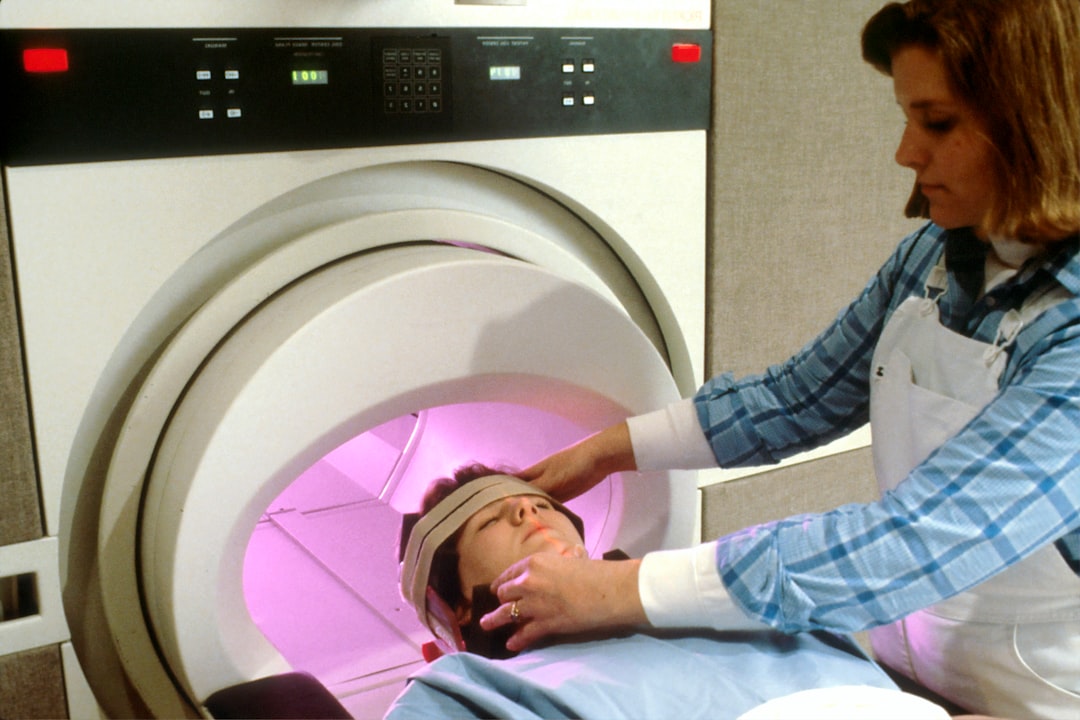
Most EMF research focuses on one question: is this exposure harmful? But there’s a quieter corner of the scientific literature asking the opposite: could EMF be therapeutic?
This study is one of those. And its findings flip the usual narrative on its head — rather than causing damage, carefully applied electromagnetic fields actually reduced inflammation, oxidative stress, and cell death in damaged liver tissue.
That doesn’t mean your Wi-Fi router is secretly treating your liver. But it does mean the relationship between EMF and biology is more complicated than “radiation = bad.”
Check your EMF exposure
See cell towers, power lines, and substations near any US address.
Search Your AddressWhat They Did
The researchers induced acute liver injury in 40 female Wistar rats using LPS (lipopolysaccharide) — a bacterial toxin that triggers severe inflammation, mimicking what happens during sepsis.
They then tested three treatments:
- Pulsed magnetic fields (PMF) alone — low-frequency magnetic pulses
- Radiofrequency electromagnetic fields (RF-EMF) alone — at 27.12 MHz
- PMF + RF-EMF combined — both applied together
A control group and an untreated injury group rounded out the experiment.
After treatment, they examined the livers at multiple levels:
- Histopathology — microscopic tissue damage
- Gene expression — 10 molecular markers for oxidative stress, inflammation, and cell death
- Blood chemistry — liver enzymes (ALT, AST) that indicate damage
The Key Findings
1. Both EMF Types Reduced Liver Damage — But Together Was Best
The LPS injection caused exactly what you’d expect: massive inflammation, oxidative stress, and activation of multiple cell death pathways. TNF-α (inflammation) skyrocketed. Antioxidant defenses (NRF2, SOD) collapsed. Apoptotic cascades fired.
Both PMF alone and RF-EMF alone partially reversed these effects. But the combined treatment was the most effective across nearly every marker measured.
2. The Molecular Effects Were Comprehensive
The combined PMF + RF treatment:
- Boosted antioxidant defenses — NRF2 and SOD (the body’s oxidative stress fighters) were significantly restored
- Reduced inflammation — TNF-α expression dropped substantially
- Blocked cell death cascades — BAX (pro-death), cytochrome C, and multiple caspases were suppressed
- Restored protective signaling — BCL2 (anti-death) expression recovered
- Reduced ER stress — PERK and downstream stress markers normalized
In plain English: the EMF treatment helped the cells survive, resist damage, and recover — through multiple independent biological mechanisms.
3. Liver Enzymes Improved
Serum AST and ALT — the blood markers doctors check to assess liver damage — were significantly reduced in the treated groups compared to untreated injury. This isn’t just a molecular curiosity; it translates to measurably less organ damage.
What This Means (and What It Doesn’t)
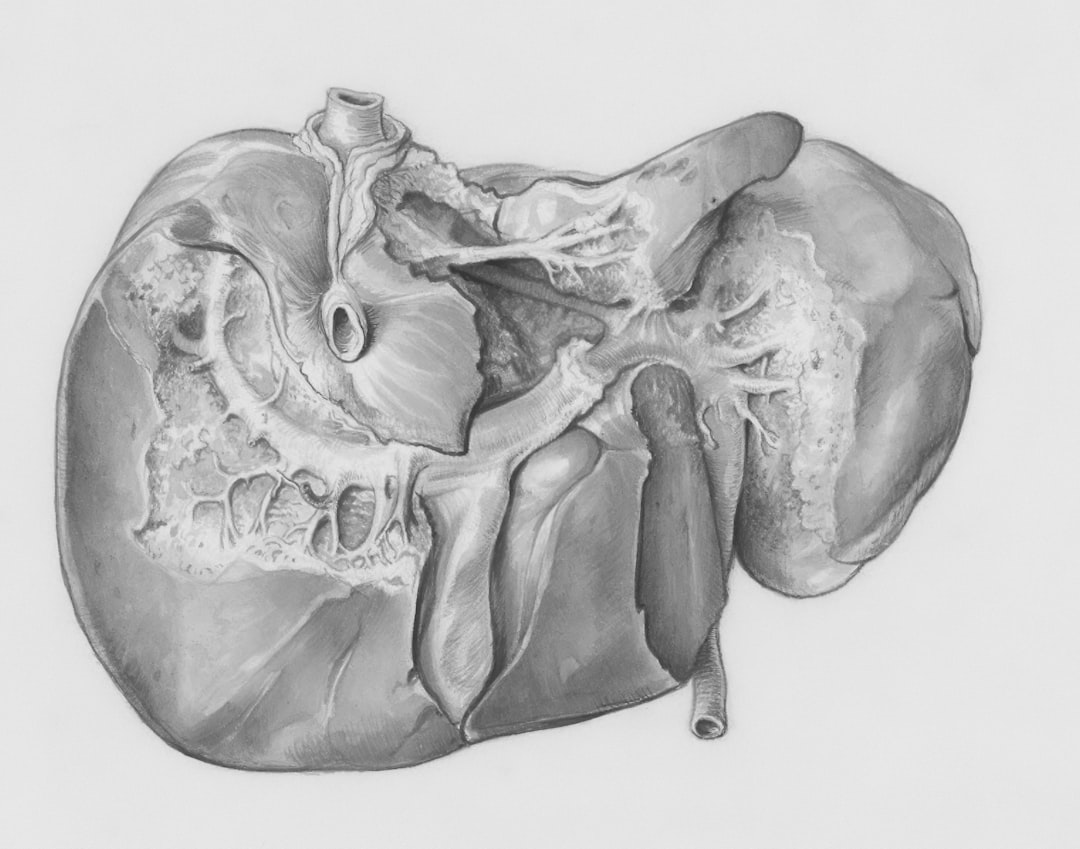
The big picture
This study demonstrates that electromagnetic fields can have protective biological effects — reducing oxidative stress, dampening inflammation, and preventing programmed cell death. The effects weren’t subtle; they were statistically significant across multiple independent pathways.
This matters because it fundamentally challenges the assumption that EMF exposure is inherently harmful. Biology doesn’t work that way. The same molecule that’s toxic at one dose can be therapeutic at another. The same stimulus that causes damage under one condition can trigger protective responses under another.
EMF appears to follow the same pattern.
The critical caveats
Dose and context are everything. The therapeutic EMF used in this study was:
- Applied at specific frequencies (low-frequency PMF + 27.12 MHz RF)
- Delivered for controlled durations
- Targeted at acutely injured tissue
- Used in rats, not humans
This says nothing about whether ambient environmental EMF at different frequencies, power levels, and durations has the same effect. You can’t extrapolate from “27.12 MHz RF helps damaged rat livers” to “cell tower radiation is good for you.” That’s not how biology works.
This is an animal study. The results need replication in larger animals and eventually clinical trials before therapeutic EMF could be used in medicine. The researchers themselves emphasize this — their conclusion explicitly calls for “clinically relevant models” and “extended follow-up” before drawing translational conclusions.
The mechanism matters. Why did the EMF help? Possibly because low-level electromagnetic stimulation activates cellular stress responses — the same repair pathways that exercise, heat exposure, and caloric restriction trigger. It’s a concept called hormesis — a small stressor that makes the system more resilient.
The Broader Context
This isn’t the first study to find therapeutic potential in electromagnetic fields. The concept has been explored for:
- Bone healing — pulsed EMF (PEMF) devices are FDA-approved for non-union fractures
- Wound healing — several studies show accelerated tissue repair
- Pain management — transcranial magnetic stimulation (TMS) is FDA-approved for depression and migraines
- Inflammation reduction — multiple animal studies, including this one
The challenge is that “EMF” covers an enormous spectrum of frequencies, power levels, modulations, and exposure patterns. Saying “EMF” is therapeutic or harmful is like saying “chemicals” are good or bad — it depends entirely on which one, how much, and the context.
How This Connects
This study adds nuance to the broader EMF conversation:
- ICBE-EMF Safety Limits: Critics argue current limits focus too narrowly on heating — but this study shows non-thermal biological effects can be positive, further complicating the picture
- 3.5 GHz & Male Fertility: A different frequency, different tissue, different outcome — dose and context matter enormously
- EV Charging Station EMF: Most environmental EMF exposure is far below levels where biological effects (positive or negative) have been demonstrated
- 5G Phone SAR Study: Under normal use, phone SAR reaches just 1.7% of safety limits — but this study reminds us that biological effects can occur at non-thermal levels
The Bottom Line
EMF isn’t inherently good or bad. Like most things in biology, it depends on the dose, the frequency, the duration, the tissue, and the context.
This study shows that at certain frequencies and exposure patterns, electromagnetic fields can activate protective biological pathways — reducing inflammation, fighting oxidative stress, and preventing cell death. That’s genuinely interesting science that challenges simplistic narratives on both sides of the EMF debate.
It doesn’t mean cell towers are secretly healing you. And it doesn’t mean ambient EMF is safe. What it does mean is that the biology is more nuanced than any headline — including ours — can fully capture.
Curious about EMF exposure in your area? Search your address on EMF Radar for a free analysis of nearby cell tower radiation.
📚 Source: Turan, B., Asci, H., Imeci, O., et al. (2026). Synergistic mitigation of endotoxin-induced liver injury by low-frequency PMF and 27.12 MHz RF-EMF: a multi-biomarker experimental study. European Journal of Trauma and Emergency Surgery. PMID: 41729317