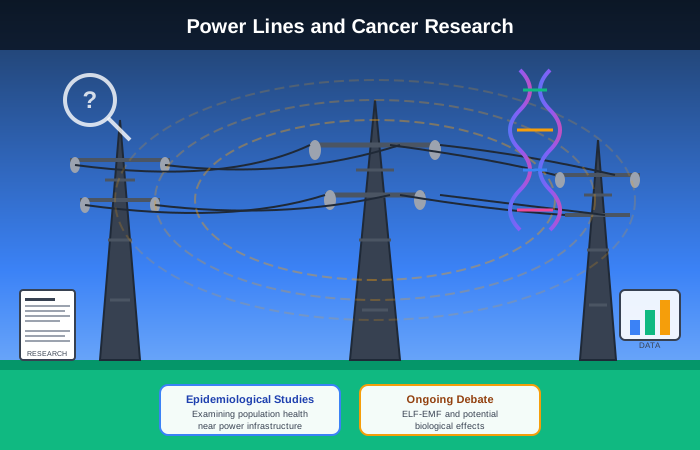
Do Power Lines Cause Cancer? Decades of Research Reviewed
Quick Answer: The scientific evidence remains genuinely uncertain. Epidemiological studies have consistently found a statistical association between high magnetic field exposure (above 0.3-0.4 microtesla) and childhood leukemia, leading the International Agency for Research on Cancer to classify extremely low frequency magnetic fields as “possibly carcinogenic.” However, no biological mechanism has been identified, animal studies have been largely negative, and the association has weakened in more recent, higher-quality studies. For adult cancers, the evidence shows no consistent relationship.
Key Facts at a Glance
| Aspect | Current Understanding |
|---|---|
| IARC Classification | Group 2B - “Possibly carcinogenic to humans” (same category as coffee, pickled vegetables) |
| Cancer Type with Association | Childhood leukemia only; adult cancers show no consistent link |
| Exposure Level of Concern | Above 0.3-0.4 microtesla (3-4 milligauss) |
| Relative Risk Estimate | Approximately 1.4 to 2.0-fold increase at high exposures |
| Percentage of Children at Risk Level | Less than 1% of children are exposed to levels above 0.4 microtesla |
| Biological Mechanism | Unknown - no plausible mechanism identified |
| WHO Position | Current evidence does not confirm health consequences from low-level EMF exposure |


The question of whether power lines cause cancer has persisted for over four decades, generating hundreds of studies, multiple international reviews, and ongoing scientific debate. This article examines the evidence from its origins to the present day, presenting both what we know and what remains genuinely uncertain.
The Study That Started It All: Wertheimer and Leeper (1979)
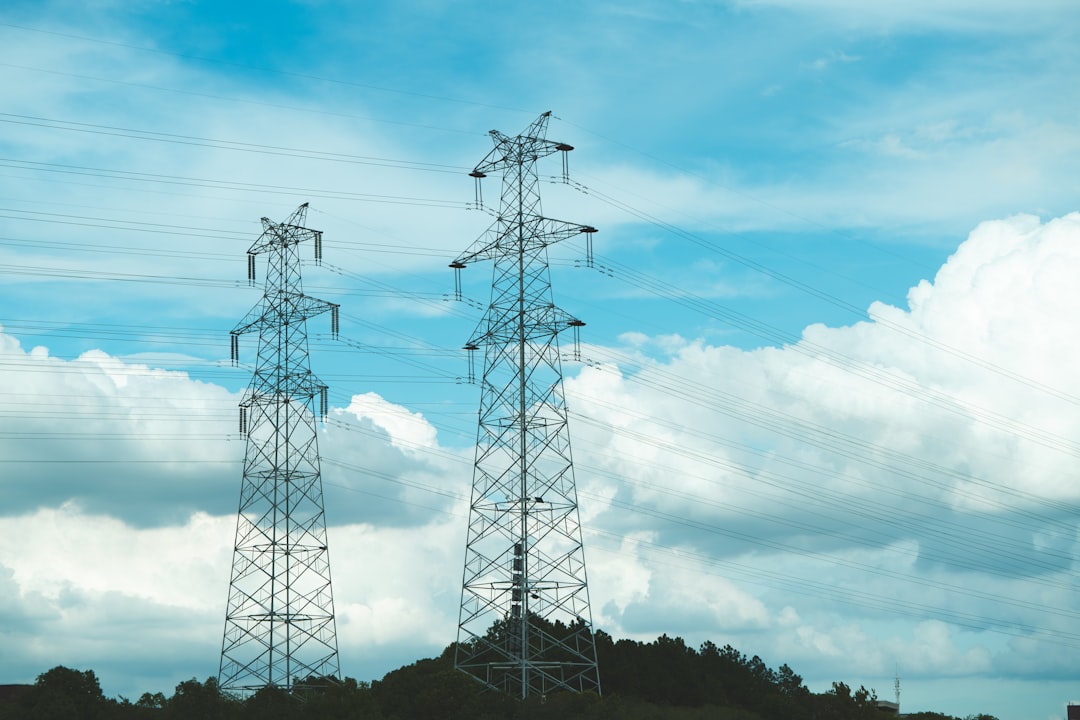
The modern concern about power lines and cancer began with a single epidemiological study published in the American Journal of Epidemiology in March 1979. Researchers Nancy Wertheimer and Ed Leeper examined childhood cancer deaths in the Denver, Colorado area and made an unexpected observation.
The researchers found an excess of electrical wiring configurations suggestive of high current flow near the homes of children who developed cancer, compared to control children. The association appeared to be dose-related—children living closer to high-current wiring had higher cancer rates than those living farther away.
Wertheimer and Leeper did not directly measure magnetic fields. Instead, they developed a system called “wire codes” to estimate exposure based on the type and proximity of power lines near homes. They found that children who spent their entire lives at addresses with high-current configurations had elevated cancer risk, particularly for leukemia.
The study was controversial from the start. The correlation did not appear to be explained by neighborhood characteristics, traffic congestion, social class, or family structure. The authors themselves noted uncertainty about the reason for their findings, suggesting possible effects from currents in water pipes or from AC magnetic fields.
This single paper launched what would become one of the most extensively studied questions in environmental epidemiology. Its publication, in the words of one subsequent review, “gave birth to the consideration of policies to limit exposure of people to low frequency, low strength magnetic fields.”
Check your EMF exposure
See cell towers, power lines, and substations near any US address.
Search Your AddressThe Flood of Follow-Up Studies
Following Wertheimer and Leeper’s findings, researchers around the world attempted to replicate and expand upon the results. The outcomes were mixed.
A 1980 Rhode Island study attempted direct replication but found no relationship between leukemia and electrical power line configurations. Other studies produced varying results—some supporting an association, others finding nothing.
The inconsistency led researchers to conduct larger, more rigorous studies with actual magnetic field measurements rather than wire-code proxies. By the late 1990s, enough data had accumulated to enable pooled analyses combining multiple studies.
The Ahlbom Pooled Analysis (2000)
A landmark pooled analysis by Anders Ahlbom and colleagues, published in the British Journal of Cancer in 2000, combined individual-level data from nine studies. The results were striking in their specificity.
For 99.2% of children—those residing in homes with magnetic field exposure below 0.4 microtesla—the researchers found risk estimates compatible with no increased cancer risk. However, for the 0.8% of children with exposures at or above 0.4 microtesla, the estimated relative risk was 2.00 (95% confidence interval: 1.27-3.13).
A companion analysis by Greenland and colleagues, examining 12 studies, found similar results. These pooled analyses provided the statistical foundation for concluding that a consistent epidemiological association exists between residential magnetic field exposure and childhood leukemia risk—at least at the highest exposure levels.
The UK Draper Study (2005)
Gerald Draper and colleagues at Oxford University conducted one of the largest studies to date, examining 29,081 children with cancer in England and Wales, including 9,700 with leukemia. Rather than measuring magnetic fields, they examined distance from high-voltage power lines.
The results were puzzling. Children born within 200 meters of high-voltage lines had a relative risk of 1.69 for leukemia. But the association extended out to 600 meters—far beyond where magnetic fields from power lines would be detectable above background levels.
This finding suggested that either something other than magnetic fields explained the association, or that selection bias or confounding factors were at play. A follow-up analysis examining trends over time found that the apparent excess risk had declined substantially in more recent decades.
The California Power Line Study
The California Power Line Study (CAPS), the first large-scale U.S. study focused on populations living near transmission lines, examined 5,788 childhood leukemia cases diagnosed between 1986 and 2008.
CAPS found a slightly elevated odds ratio of 1.4 for children born within 50 meters of transmission lines above 200 kilovolts, but the confidence interval included the null value (0.7-2.7). The study did not replicate the Draper finding of elevated risk extending to 600 meters.
Most intriguingly, when researchers examined both distance and calculated magnetic field exposure, they found that neither close proximity alone nor high calculated fields alone were associated with elevated risk. The elevated risk was confined to the small group both very close to high-voltage lines (under 50 meters) and with high calculated fields (above 0.4 microtesla).
The authors concluded their findings “argue against magnetic fields as a sole explanation for the association between distance and childhood leukemia.”
The IARC Classification: What “Possibly Carcinogenic” Actually Means

In 2002, the International Agency for Research on Cancer (IARC) published a monograph classifying extremely low frequency (ELF) magnetic fields as “possibly carcinogenic to humans”—Group 2B.
This classification requires context. Group 2B is used when there is “limited evidence of carcinogenicity in humans and less than sufficient evidence of carcinogenicity in experimental animals.” Other agents in this category include coffee, pickled vegetables, and welding fumes.
The classification was based primarily on the pooled epidemiological analyses showing a roughly two-fold increase in childhood leukemia risk at exposures above 0.3-0.4 microtesla. IARC explicitly ruled out a Group 2A classification (“probably carcinogenic”) because animal studies provided “inadequate evidence of carcinogenicity.”
In March 2024, an IARC Advisory Group reviewed the evidence again and determined that “existing evidence does not appear to support a change in classification.” The Group 2B designation remains in effect.
Why Childhood Leukemia? The Mystery of Mechanism
One of the most troubling aspects of the power line question is the absence of a plausible biological mechanism. Extremely low frequency magnetic fields are non-ionizing—they lack the energy to damage DNA directly, unlike X-rays or gamma radiation.
The scientific challenge is stark: the effects of ELF magnetic fields on biology are extremely weak. Cells function despite many sources of chemical and electrical noise that exceed the induced EMF signal by large factors. How could such weak fields influence cancer development?
Several hypotheses have been proposed:
Contact currents: When a person touches two conductive surfaces at different voltages, a current flows through the body. These contact currents correlate with residential magnetic field measurements and could theoretically affect biological processes.
Melatonin disruption: Some researchers hypothesized that magnetic fields might suppress melatonin production, which could theoretically influence cancer risk. However, subsequent studies have largely failed to support this mechanism.
Combined field effects: One hypothesis suggests that specific combinations of static and extremely low frequency magnetic fields might interact to affect biological processes. Laboratory experiments have shown some support for this idea, but the relevance to cancer remains speculative.
Iron magnetite in tissues: Some researchers have proposed that magnetite crystals naturally present in human tissues could respond to external magnetic fields. This mechanism remains unproven.
The absence of a confirmed mechanism does not disprove an association—epidemiology has sometimes identified health risks before mechanisms were understood. But it does significantly weaken the case for causality.
Adult Cancers: A Different Picture
While childhood leukemia dominates the power line debate, researchers have also examined adult cancers extensively. The evidence here is considerably weaker. However, a 2026 Swiss study of 3.5 million adults found significant associations between power line exposure and Alzheimer’s/dementia mortality — a non-cancer endpoint that has attracted increasing research attention.
Brain Tumors
Occupational exposure to electromagnetic fields has been investigated as a potential brain tumor risk factor. A multi-center U.S. case-control study using detailed exposure assessment found no statistically significant elevation in risk for glioma or meningioma across multiple exposure metrics.
One French study did find associations between cumulative duration of living within 50 meters of high-voltage lines and brain tumors, but results from residential exposure studies remain sparse and inconsistent.
Breast Cancer
The majority of epidemiological studies have shown no relationship between breast cancer in women and exposure to ELF electromagnetic fields in the home. While a few individual studies have suggested an association, only one reported statistically significant results.
A large study examining 58,404 breast cancer cases found no clear patterns of excess risk related to distance from power lines.
Leukemia in Adults
Early occupational studies in the 1980s and 1990s reported elevated rates of leukemia among electrical workers. However, most results were based on job titles rather than actual exposure measurements. More recent studies incorporating actual measurements have generally not shown increased risk.
A large Finnish study of nearly 400,000 adults living near power lines—one of the largest surveys of its kind—found that cancer rates for 21 cancer types were no higher than normal in this population.
What Exposure Levels Are We Talking About?
Understanding typical exposure levels provides essential context for evaluating risk.
Power-frequency magnetic fields are measured in microtesla (international unit) or milligauss (commonly used in North America). The conversion is simple: 1 microtesla equals 10 milligauss.
Directly beneath power lines:
- High-voltage transmission lines: 10-100+ milligauss (1-10+ microtesla)
- Distribution lines: 10-30 milligauss (1-3 microtesla)
Average residential exposure:
- European homes: approximately 0.07 microtesla (0.7 milligauss)
- North American homes: approximately 0.11 microtesla (1.1 milligauss)
The exposure level of concern:
- Epidemiological associations appear above 0.3-0.4 microtesla (3-4 milligauss)
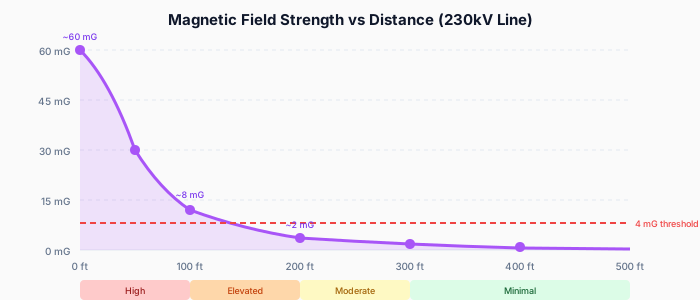
The critical point: magnetic field strength drops dramatically with distance. A field measuring 57.5 milligauss immediately beside a 230-kilovolt transmission line drops to just 7.1 milligauss at 100 feet and 1.8 milligauss at 200 feet.
Less than 1% of children in developed countries are exposed to residential magnetic field levels above 0.4 microtesla.

Current Scientific Consensus
The scientific community has reached a nuanced position that acknowledges both the epidemiological findings and their limitations.
The World Health Organization, in its 2007 Environmental Health Criteria Monograph, concluded that the classification of evidence for an association between ELF exposure and cancer remains “limited.” A 2024 review found no change warranting a revised classification.
The WHO has stated that “current evidence does not confirm the existence of any health consequences from exposure to low level electromagnetic fields.” The organization has explicitly recommended against reducing exposure limit values “to some arbitrary level in the name of precaution.”
The U.S. National Cancer Institute notes that while analyses pooling data from multiple studies “report a small but consistent increased risk of childhood leukemia associated with exposures above 0.3 or 0.4 microtesla,” the strength of associations has diminished over time with the publication of larger and higher-quality studies.
A 2021 pooled analysis combining data from four recent studies (24,994 cases, 30,769 controls) found no increased risk of leukemia among children with higher magnetic field exposure—an odds ratio of 1.01 for exposure above 0.4 microtesla compared with exposures below 0.1 microtesla.
This represents a notable shift from earlier pooled analyses and could reflect methodological improvements, random variation, or a genuine change in the underlying association.
Practical Implications: What Should You Actually Do?
Given the scientific uncertainty, what practical guidance can be offered?
The conservative approach: Some countries have adopted precautionary limits for sensitive areas. Croatia, Finland, France, Israel, Italy, the Netherlands, Norway, Slovenia, Switzerland, Germany, Spain, Belgium, Denmark, Liechtenstein, Luxembourg, Lithuania, and Poland have magnetic field limits of 3-4 milligauss for areas where children live and play.
The mainstream position: The United States has no federal limit on residential magnetic field exposure. Most countries follow ICNIRP guidelines, which set residential limits at 2,000 milligauss—far above levels associated with any epidemiological risk.
Distance matters: Magnetic fields decrease rapidly with distance. At 200 feet from most transmission lines, exposure is typically below 2 milligauss—well below the levels of epidemiological concern.
Perspective on risk: Even if the epidemiological association is causal, the absolute risk remains small. Childhood leukemia affects approximately 4 per 100,000 children annually. A doubling of risk among the less than 1% of children exposed to high magnetic fields would translate to a very small number of additional cases.
Frequently Asked Questions
How far from power lines is safe?
Magnetic field strength drops dramatically with distance. At 200-300 feet from high-voltage transmission lines, exposure typically falls below the levels associated with epidemiological concern (0.3-0.4 microtesla or 3-4 milligauss). However, there is no officially established “safe distance” in most countries because no causal relationship has been confirmed.
Do underground power lines eliminate the risk?
Underground cables can actually produce stronger magnetic fields at ground level than overhead lines because they are closer to people. However, the fields drop off more rapidly with distance. The question of whether underground installation affects any potential health risk is complicated by the broader uncertainty about whether magnetic fields are the relevant exposure.
What about electrical substations?
Electrical substations produce magnetic fields that, like those from power lines, decrease rapidly with distance. Most studies examining substations have been included in the broader research on power line exposures. The same scientific uncertainties apply.
Are some people more sensitive to electromagnetic fields?
Some individuals report symptoms they attribute to electromagnetic field exposure—a condition sometimes called “electromagnetic hypersensitivity.” However, double-blind studies have consistently failed to show that affected individuals can detect EMF exposure at rates better than chance. The WHO states that EHS is not a medical diagnosis and symptoms are not correlated with actual EMF exposure.
Should I be concerned about household appliances?
Many household appliances produce magnetic fields stronger than power lines at close range. However, exposure drops rapidly with distance, and time spent very close to most appliances is limited. The epidemiological research has focused primarily on continuous residential exposure rather than brief appliance use.
Has the science changed since the original studies?
Yes, significantly. The strength of the observed associations has generally decreased with larger and methodologically stronger studies. The most recent pooled analysis (2021) found no increased risk even at the highest exposure levels. Some researchers suggest the original findings may have been influenced by selection bias or confounding factors that more rigorous study designs have reduced.
The Bottom Line
After more than 40 years and hundreds of studies, the power line and cancer question remains scientifically unresolved. The evidence can be summarized as follows:
Epidemiological studies have consistently found a statistical association between high residential magnetic field exposure (above 0.3-0.4 microtesla) and childhood leukemia, though this association has weakened in more recent studies.
No biological mechanism has been identified that could explain how such weak magnetic fields might influence cancer development.
Animal studies have largely failed to show carcinogenic effects from ELF magnetic field exposure.
For adult cancers, including brain tumors and breast cancer, the evidence does not support a consistent association.
The International Agency for Research on Cancer classifies ELF magnetic fields as “possibly carcinogenic”—indicating limited evidence of an association, not confirmation of a causal link.
The practical reality is that very few people are exposed to the magnetic field levels where epidemiological associations have been observed. For most individuals, residential magnetic field exposure from power lines is far below levels of any demonstrated concern.
Whether the observed epidemiological associations reflect a true causal relationship, selection bias in studies, unmeasured confounding factors, or some combination remains an open question. The decline in observed associations in recent years may eventually resolve this debate—or may simply add another layer of uncertainty to an already complex scientific puzzle.
Related Reading
- Childhood Leukemia: Risk Factors and What Parents Should Know
- Living Near Electrical Substations: Health Concerns Examined
- Electromagnetic Hypersensitivity: Science vs. Symptoms
Sources
-
Wertheimer N, Leeper E. “Electrical wiring configurations and childhood cancer.” American Journal of Epidemiology. 1979;109(3):273-284. DOI: 10.1093/oxfordjournals.aje.a112681
-
Ahlbom A, Day N, Feychting M, et al. “A pooled analysis of magnetic fields and childhood leukaemia.” British Journal of Cancer. 2000;83:692-698. DOI: 10.1054/bjoc.2000.1376
-
Greenland S, Sheppard AR, Kaune WT, et al. “A pooled analysis of magnetic fields, wire codes, and childhood leukemia.” Epidemiology. 2000;11(6):624-634. PubMed
-
Draper G, Vincent T, Kroll ME, Swanson J. “Childhood cancer in relation to distance from high voltage power lines in England and Wales: a case-control study.” BMJ. 2005;330:1290. DOI: 10.1136/bmj.330.7503.1290
-
International Agency for Research on Cancer. “Non-ionizing Radiation, Part 1: Static and Extremely Low-frequency (ELF) Electric and Magnetic Fields.” IARC Monographs on the Evaluation of Carcinogenic Risks to Humans. Volume 80. 2002. IARC Publications
-
Kheifets L, Ahlbom A, Crespi CM, et al. “Pooled analysis of recent studies on magnetic fields and childhood leukaemia.” British Journal of Cancer. 2010;103:1128-1135. DOI: 10.1038/sj.bjc.6605838
-
Amoon AT, Crespi CM, Ahlbom A, et al. “Proximity to overhead power lines and childhood leukaemia: an international pooled analysis.” British Journal of Cancer. 2018;119:364-373. DOI: 10.1038/s41416-018-0097-7
-
Swanson J, Kheifets L, Vergara X. “Residential distance at birth from overhead high-voltage powerlines: childhood cancer risk in Britain 1962-2008.” British Journal of Cancer. 2014;110:1402-1408. DOI: 10.1038/bjc.2014.15
-
Crespi CM, Vergara XP, Hooper C, et al. “Childhood leukaemia and distance from power lines in California: a population-based case-control study.” British Journal of Cancer. 2016;115:122-128. DOI: 10.1038/bjc.2016.142
-
Crespi CM, Swanson J, Vergara XP, Kheifets L. “Childhood leukemia risk in the California Power Line Study: Magnetic fields versus distance from power lines.” Environmental Research. 2019;171:530-535. DOI: 10.1016/j.envres.2019.01.022
-
Amoon AT, Oksuzyan S, Crespi CM, et al. “Pooled analysis of recent studies of magnetic fields and childhood leukemia.” Environmental Research. 2022;204:111993. DOI: 10.1016/j.envres.2021.111993
-
World Health Organization. “Electromagnetic Fields and Public Health: Exposure to Extremely Low Frequency Fields.” Fact Sheet No. 322. 2007. WHO
-
National Cancer Institute. “Electromagnetic Fields and Cancer.” 2024. NCI Fact Sheet
-
Schuz J, Dasenbrock C, Ravazzani P, et al. “Extremely low-frequency magnetic fields and risk of childhood leukemia: A risk assessment by the ARIMMORA consortium.” Bioelectromagnetics. 2016;37(3):183-189. PubMed
See power lines and cell towers near your home → Check any address on EMF Radar for a free exposure assessment with our interactive map.