
When parents discover a cell tower on or near their child’s school, the reaction is almost always the same: Why wasn’t I told? Is this safe? And can I do something about it?
The answers are more complicated than they should be. Federal law limits what local governments can do about cell tower placement, school districts often sign tower leases for the revenue, and the legal system has produced a patchwork of outcomes that can feel deeply unsatisfying whether you’re concerned about EMF exposure or just want transparent decision-making.
Here’s what you need to know — the law, the cases, and the strategies that have actually worked.
The Federal Roadblock: Section 704
The single most important thing to understand about cell towers near schools is Section 704 of the Telecommunications Act of 1996. This federal law includes a provision that effectively prevents local governments from rejecting cell tower applications based on health concerns about radiofrequency (RF) emissions — as long as the tower complies with FCC exposure guidelines.
The exact language:
“No State or local government or instrumentality thereof may regulate the placement, construction, and modification of personal wireless service facilities on the basis of the environmental effects of radio frequency emissions to the extent that such facilities comply with the Commission’s regulations concerning such emissions.”
In plain English: if a cell tower meets FCC safety limits, your city council, zoning board, or school board cannot legally deny it based on health concerns. They can deny it for other reasons — aesthetics, property values, zoning violations, incomplete applications — but not health.
This is the wall that most parent opposition campaigns hit. And it’s been upheld by federal courts repeatedly.
Why This Matters for Schools
School districts often lease rooftop or campus space to wireless carriers. The revenue can be significant — anywhere from $1,000 to $5,000+ per month per tower — and for cash-strapped districts, that money funds programs, facilities, and staff positions.
When parents object, they’re asking the district to give up a revenue stream and potentially breach a contract, all while the federal government says health objections aren’t a legal basis for removal.
Real Cases: What’s Happened Around the Country
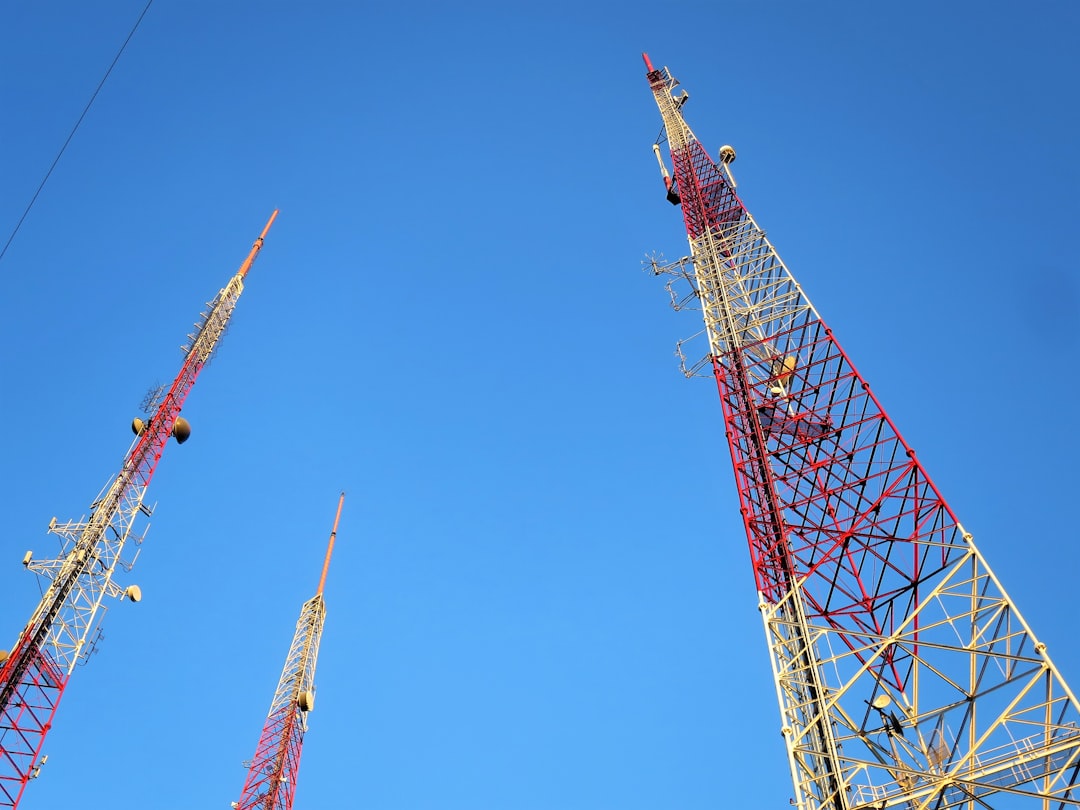
Ripon, California — Weston Elementary (2019)
The most high-profile school cell tower controversy in recent memory. Between 2016 and 2019, four students and two staff members at Weston Elementary School in Ripon were diagnosed with cancer. A Sprint cell tower had operated on campus since 2010.
Parents organized, demanded testing, and pressured the school district. In March 2019, the Ripon Unified School District voted to have Sprint remove the tower from the campus. Sprint complied.
Key details:
- The San Joaquin County Public Health Services conducted a review and found no direct evidence linking the tower to the cancer cases
- Independent testing showed RF emissions were well within FCC limits
- The cancers were of different types (including brain cancer and kidney cancer), which epidemiologists note is inconsistent with a single environmental cause
- The district removed the tower anyway, citing community concern and the precautionary principle
Outcome: Tower removed. No lawsuit filed against Sprint (the district simply terminated the lease). No scientific determination of causation was ever made.
Lesson: Community pressure can work — but it’s easier when the school district controls the lease. Parents pressured the district, not the carrier.
San Diego — Multiple Schools (2019)
Following the Ripon case, parents in San Diego raised concerns about towers on several school campuses. The San Diego Unified School District had cell tower leases generating over $1 million annually across dozens of schools.
A parent-led organization called Parents for Safe Schools pressured the district to review all cell tower leases. The district commissioned independent RF testing at several sites.
Outcome: Testing showed all towers operating within FCC limits. The district did not remove towers but agreed to more transparency around new lease proposals.
Portland, Oregon — Community Opposition
In Portland’s Kenton neighborhood, residents fought a proposed cell tower near a school, using zoning arguments (visual impact, property values, neighborhood character) rather than health claims — because they knew health arguments were legally preempted.
Outcome: The application was delayed but ultimately approved after the carrier demonstrated compliance with local zoning requirements.
Montgomery County, Maryland — Buffer Zone Policy
Montgomery County adopted a policy establishing minimum setback distances between cell towers and schools, parks, and residential areas. Rather than arguing health effects (which Section 704 preempts), the policy was framed around aesthetics, property values, and community character.
Outcome: The setback policy survived legal challenge because it was content-neutral and didn’t reference health effects. Carriers can still build near schools but must meet distance requirements.
Pittsfield, Massachusetts — Verizon Tower Near School (2020–2021)
Residents fought a Verizon tower proposed near a school, hiring their own RF engineers and organizing public opposition. The case highlighted the tension between federal preemption and local decision-making.
Outcome: After extensive hearings, the project proceeded with modifications. The case became a rallying point for advocates pushing for updated federal regulations.
Check your EMF exposure
See cell towers, power lines, and substations near any US address.
Search Your AddressWhat Legal Options Do Parents Actually Have?
Given the federal preemption, what strategies have actually worked?
1. Challenge on Non-Health Grounds ✅
This is the most legally viable approach. Local zoning boards can reject or modify tower applications based on:
- Visual impact — the tower is ugly, doesn’t blend with the neighborhood
- Property values — documented evidence of impact on nearby home values
- Procedural failures — the carrier didn’t follow proper application procedures
- Zoning violations — the proposed location doesn’t meet setback, height, or density requirements
- Alternative sites — the carrier hasn’t demonstrated that this specific location is necessary
- Incomplete applications — missing documentation, inadequate environmental review
Courts have upheld denials on all of these grounds, even when the underlying community motivation was health-related.
2. Pressure the School District ✅
If the tower is on school property, the school district controls the lease. Parents can:
- Attend school board meetings and demand transparency
- Request copies of the tower lease agreement
- Propose alternative revenue sources to offset lease income
- Push for a board vote on lease renewal or termination
- Run for school board positions
This is what worked in Ripon. The district had the contractual power to terminate the lease, and parent pressure gave them the political will to do it.
3. Push for Buffer Zone Policies ✅
Some jurisdictions have successfully enacted setback requirements that keep towers a minimum distance from schools. Framed correctly (aesthetics and community character, not health), these can survive legal challenge.
Examples of distances communities have pursued:
- 500 feet from schools and playgrounds (common starting point)
- 1,000 feet in some more restrictive proposals
- 1,500+ feet in proposed state legislation (rarely enacted)
4. State Legislation ✅ (Slowly)
Several states have introduced or passed bills addressing cell towers near schools:
- California SB 2012 (2022) gave local governments more authority over small cell installations, though it stopped short of allowing health-based denials
- Various states have proposed (but not always passed) school buffer zone bills
- Some states require public notice before new towers are installed on school property
5. Challenge FCC Compliance 🟡 (Difficult but Possible)
If you can demonstrate that a tower is not complying with FCC exposure limits, the Section 704 preemption doesn’t apply. This requires:
- Hiring a qualified RF engineer to conduct measurements
- Documenting any emissions exceeding FCC limits
- Filing a complaint with the FCC
In practice, most towers operate well within limits, but equipment malfunctions, antenna misconfigurations, and additions of new carriers to existing towers can occasionally push emissions higher than originally permitted.
6. File a Federal Lawsuit ❌ (Rarely Successful)
Parents have filed federal lawsuits alleging that cell towers caused cancer clusters at schools. These cases face enormous legal hurdles:
- Must prove specific causation (this tower caused this cancer), not just general association
- The scientific evidence for RF-cancer links at typical exposure levels remains contested
- Section 704 preempts most health-based arguments
- Even if you prove emissions are harmful, you’d be challenging FCC standards — which requires overcoming significant judicial deference to federal agencies
No parent group has won a federal lawsuit proving that an FCC-compliant cell tower caused cancer at a school.
The FCC Guidelines Debate
A major part of this story is the ongoing controversy over whether FCC exposure limits are actually adequate. The current limits were last substantively updated in 1996 — the same year the Telecommunications Act was passed. They’re based primarily on thermal effects (tissue heating) and don’t account for potential non-thermal biological effects that some researchers have documented.
In 2021, the U.S. Court of Appeals for the D.C. Circuit ruled in Environmental Health Trust v. FCC that the FCC failed to adequately explain why its 1996 guidelines remained sufficient. The court ordered the FCC to provide a reasoned explanation for not updating its guidelines — particularly regarding:
- Effects on children (who have thinner skulls and developing brains)
- Long-term exposure effects
- Non-thermal biological effects
- Environmental impacts
As of 2026, the FCC has still not finalized updated guidelines in response to this court order. For a deeper dive on the regulatory gaps, see our article on U.S. wireless regulation.
What the Science Says About Schools Specifically

Here’s what we know from the research:
What’s reassuring:
- Most cell towers near schools produce RF levels that are a small fraction of FCC limits — often less than 1%
- Large occupational studies of heavily RF-exposed workers (UK telecom workers, UK police officers, Australian workers) have not found excess cancer
- The INERIS controlled human study found no significant effects from 5G exposure
What’s concerning:
- FCC limits may not adequately protect against non-thermal effects, according to some researchers
- Children may be more vulnerable due to developing biology, though direct evidence is limited
- Some animal studies have found effects at sub-thermal exposure levels
What’s unknown:
- Long-term effects of chronic low-level exposure throughout childhood
- Whether current safety standards adequately protect children specifically
- Cumulative effects from multiple sources (tower + devices + WiFi)
For a detailed look at what research shows at different distances from cell towers, see our article on cell tower health effects by distance.
What You Can Do Right Now
1. Check What’s Near Your School
Use EMF Radar’s tower map to see cell towers near any address, including your child’s school. You’ll see how many towers are within various distances and their approximate signal levels.
2. Request Information
Contact your school district and ask:
- Are there cell tower leases on any school properties?
- What is the revenue from those leases?
- When do the leases expire or come up for renewal?
- Were RF measurements taken, and can you see the results?
- Is there a public comment process for new tower proposals?
3. Understand Your Local Zoning
Look up your municipality’s zoning ordinances regarding telecommunications facilities. Key things to check:
- Are there setback requirements from schools?
- Is public notice required for new installations?
- What’s the public comment process for zoning applications?
4. Get Organized
The most successful parent campaigns have been organized, well-informed, and persistent. That means:
- Forming a parent group with clear goals
- Researching the specific lease terms and carrier involved
- Presenting alternatives (other revenue sources for the district)
- Attending every school board meeting where the topic comes up
- Framing arguments around transparency and precaution, not just fear
5. Stay Informed
The regulatory landscape is slowly evolving. The FCC court order, state legislation, and growing public awareness are all creating pressure for change. Follow our EMF Pulse section for the latest developments.
Looking for cell towers near a specific school? Search any address with EMF Radar’s free tool to see tower proximity and estimated exposure levels.
Related Reading
- EMF and Children: A Complete Parent’s Guide for 2026
- EMF Exposure in Schools: WiFi and Cell Tower Risks
- EMF Shielding Paint: Does It Work? Complete 2026 Guide
- EMF Protection During Pregnancy — Room-by-Room Guide
Concerned about EMF in your environment? Check your address on EMF Radar to see nearby cell towers and power lines, or find a certified EMF consultant for professional testing.