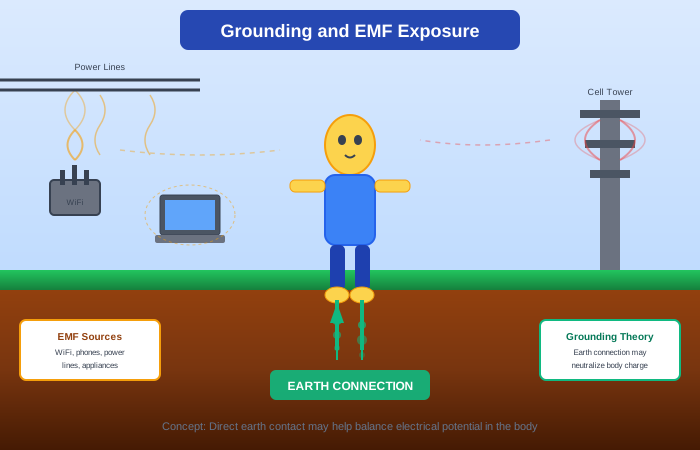
Can Grounding Help If You Live Near Power Lines or Cell Towers?
Quick Answer: Grounding (earthing) may help your body manage some effects of chronic EMF exposure by equalizing your electrical potential with the earth and reducing inflammation. However, direct research on grounding specifically for EMF protection remains limited. The practice shows promise for general health benefits like improved sleep and reduced cortisol, which could indirectly support those living near EMF sources.
Key Facts at a Glance
| Aspect | Details |
|---|---|
| What is Grounding | Direct physical contact with the earth’s surface to absorb free electrons |
| Primary Mechanism | Equalizes body’s electrical potential with the earth (~-400mV to -500mV) |
| Documented Benefits | Reduced inflammation, improved sleep, lower cortisol, better blood flow |
| EMF-Specific Research | Limited; most studies focus on general grounding benefits |
| Methods | Barefoot contact, grounding mats, sheets, wrist/ankle bands |
| Time for Effects | Some benefits appear within 30-40 minutes; cumulative effects over weeks |
| Potential Concerns | Dirty electricity through ground wires, improper product setup |

Understanding Grounding and Earthing

Grounding, also called earthing, refers to the practice of making direct physical contact with the earth’s surface. This contact allows your body to absorb free electrons from the ground, which proponents claim can neutralize free radicals and reduce oxidative stress in the body.
The earth maintains a negative electrical charge on its surface, primarily due to lightning strikes that continuously transfer electrons to the ground. When you walk barefoot on grass, sand, or soil, your body absorbs these electrons and equalizes its electrical potential with the earth. Modern life, with rubber-soled shoes and insulated buildings, has largely disconnected humans from this natural electrical exchange.
The concept gained scientific attention in the early 2000s when researchers began investigating whether this disconnection from the earth might contribute to chronic inflammation and other health issues that have become more prevalent in industrialized societies.

Check your EMF exposure
See cell towers, power lines, and substations near any US address.
Search Your AddressThe Theory Behind Grounding for EMF Protection
Electromagnetic fields from power lines, cell towers, and household electronics create alternating electrical potentials in the environment around you. The theory suggests that when your body is electrically grounded, it becomes more resistant to these external fields because it maintains a stable reference potential with the earth.
Your body acts as a conductor, and when surrounded by EMF sources, induced voltages can build up on your skin and in your tissues. Grounding provides a pathway for these induced charges to dissipate into the earth rather than accumulating in your body. Think of it like a lightning rod that safely channels electrical energy away from a building.
Research using body voltage measurements has shown that grounding can significantly reduce the AC voltage induced on the body by ambient electromagnetic fields. Studies have recorded reductions of 50-70% in body voltage when subjects were grounded compared to when they were insulated from the earth.
However, it is important to understand that grounding does not block EMF exposure itself. The electromagnetic waves from power lines and cell towers still pass through your body. What grounding may do is help your body handle the electrical effects of that exposure more efficiently by providing a constant reference point and discharge pathway.
What the Research Shows About Grounding Benefits
Scientific investigation into grounding has produced several peer-reviewed studies, though the field remains relatively young. The existing research focuses primarily on general health outcomes rather than EMF-specific effects.
Inflammation Reduction
Multiple studies have demonstrated that grounding can reduce markers of inflammation in the body. Research published in the Journal of Inflammation Research found that grounding for one hour reduced blood viscosity, a factor associated with cardiovascular inflammation. Thermographic imaging has also shown reduced inflammation in subjects after grounding sessions.
The proposed mechanism involves free electrons from the earth acting as antioxidants, neutralizing reactive oxygen species (free radicals) that drive inflammatory processes. This anti-inflammatory effect could theoretically help counteract some of the oxidative stress that some researchers associate with chronic EMF exposure.
Cortisol and Stress Response
A study examining the effects of sleeping grounded found that participants showed normalized cortisol patterns after eight weeks. Cortisol, the primary stress hormone, typically follows a circadian rhythm with higher levels in the morning and lower levels at night. Many participants in the study showed disrupted cortisol patterns before grounding that normalized during the intervention.
Since chronic stress can amplify sensitivity to environmental factors including EMF, improved stress regulation through grounding could indirectly help those concerned about EMF exposure.
Sleep Quality Improvements
Research consistently shows sleep improvements among grounded subjects. Participants report falling asleep faster, experiencing fewer nighttime awakenings, and feeling more refreshed upon waking. One study found that 100% of participants reported improved sleep quality after sleeping on grounded mattress pads.
Sleep disruption is one of the most commonly reported symptoms among people who believe they are sensitive to EMF exposure. While this does not prove that grounding counteracts EMF effects specifically, it suggests the practice could help manage one of the primary complaints associated with chronic EMF proximity.
Blood Flow and Cardiovascular Effects
Grounding has been shown to reduce blood viscosity and improve red blood cell surface charge, which prevents cells from clumping together. This zeta potential increase allows blood to flow more freely through vessels. Improved circulation supports overall health and could help the body manage various environmental stressors.
Does Grounding Specifically Help with EMF Exposure?

Here is where honest assessment becomes necessary. Direct research examining whether grounding protects against or mitigates the specific biological effects of EMF exposure is extremely limited. Most claims connecting grounding to EMF protection are theoretical extrapolations from the general grounding research.
What we can say with more confidence:
Body voltage reduction is documented. Studies clearly show that grounding reduces the AC voltage measurable on the body surface when in the presence of electrical fields. This is a physical, measurable effect.
General health benefits may increase resilience. The documented benefits of grounding (reduced inflammation, better sleep, normalized cortisol) could help the body better handle various environmental stressors, potentially including EMF exposure.
The electrical theory is plausible. The physics of grounding as an electrical stabilization mechanism makes theoretical sense, even if specific EMF-protective effects have not been rigorously studied.
What remains uncertain:
Whether body voltage reduction translates to health protection. Just because grounding reduces measurable body voltage does not necessarily mean it prevents any biological effects from EMF exposure.
Long-term outcomes for people near EMF sources. No studies have specifically compared health outcomes between grounded and non-grounded individuals living near power lines or cell towers over extended periods.
The relative importance of grounding versus EMF reduction. For those concerned about chronic EMF exposure, reducing the exposure itself (through distance, shielding, or source elimination) may be more effective than attempting to mitigate effects through grounding.
Grounding Products and Methods
Several approaches exist for incorporating grounding into your daily routine, ranging from simple barefoot time to specialized products designed for indoor use.
Natural Grounding
The simplest and most traditional method involves direct skin contact with the earth. Walking barefoot on grass, soil, sand, or even concrete (as long as it is not sealed or painted) allows electron transfer. Swimming in natural bodies of water also provides grounding, as water is an excellent conductor.
Natural grounding is free, requires no equipment, and provides additional benefits like fresh air and potential stress reduction from time in nature. The limitation is practical—weather, location, and lifestyle constraints make it difficult for many people to maintain consistent barefoot earth contact.
Grounding Mats
Grounding mats connect to the earth through your home’s electrical ground wire. You place them under your desk, beneath your feet, or on any surface where you spend extended time. Quality mats use conductive materials like carbon-infused rubber or silver-threaded fabric.
When selecting a grounding mat, verify that the product connects only to the ground pin of an electrical outlet, not to the live or neutral wires. Many mats come with outlet testers to confirm proper grounding in your home’s electrical system.
Grounding Sheets and Sleep Systems
For overnight grounding, fitted sheets with conductive silver threading allow you to remain grounded throughout sleep. These connect to the ground wire via a cord and plug. Given that we spend roughly one-third of our lives sleeping, grounded bedding offers an efficient way to accumulate grounding time.
Look for sheets with adequate silver content for conductivity and comfortable fabric blends. Some products use stainless steel threading as an alternative to silver.
Grounding Bands and Patches
Wrist bands, ankle straps, and adhesive patches provide targeted grounding that can be worn throughout the day. These are particularly useful for office workers who cannot use floor mats or those who want to remain grounded while moving around.
Bands typically feature a conductive plate that contacts the skin, connected via wire to a grounding point. Some designs are wireless, using conductive materials that contact the earth when you touch grounded surfaces.
Proper Grounding Technique and Setup
Effective grounding requires attention to proper setup, particularly when using indoor products that connect to your home’s electrical system.

Testing Your Ground Connection
Before using any grounded product, test your electrical outlet with a ground checker. These inexpensive devices confirm that the outlet is wired correctly and provides a true earth ground connection. Faulty wiring can render grounding products ineffective or potentially unsafe.
In older homes, some outlets may show a ground connection but actually connect to a neutral wire rather than true earth ground. A qualified electrician can verify proper grounding if you have concerns.
Ensuring Good Contact
Grounding requires conductive contact between your skin and the grounding surface. Dry skin conducts less effectively than slightly moist skin. Some people find better results using grounding products after applying a light water mist or natural moisturizer to their skin.
For sheets and mats, ensure the conductive surface contacts exposed skin rather than clothing. Natural fiber clothing conducts better than synthetic materials if direct skin contact is not possible.
Consistency and Duration
Research suggests that longer and more frequent grounding sessions produce better results. While some effects like body voltage reduction occur immediately upon grounding, other benefits like cortisol normalization appear to develop over weeks of consistent practice.
Aim for at least 30 minutes of daily grounding if possible. Overnight grounding with sheets or pads accumulates significant grounding time with minimal lifestyle disruption.
Potential Issues: Dirty Electricity Concerns
A legitimate concern exists regarding indoor grounding products: the potential for dirty electricity (high-frequency voltage transients) to travel through the ground wire and into your body through the grounding connection.
Dirty electricity refers to electromagnetic interference and voltage spikes that ride on standard electrical wiring. Sources include dimmer switches, LED drivers, switching power supplies, and various electronic devices. This interference can potentially travel through the ground wire.
Assessing Your Risk
Several factors influence whether dirty electricity is a concern for your grounding setup:
Your home’s electrical environment. Homes with many electronic devices, solar inverters, or smart meters may have more ground wire interference than homes with simpler electrical systems.
Distance from the electrical panel. Outlets farther from the main panel may have more accumulated interference on the ground wire.
Your sensitivity level. Most people notice no issues with grounded products, but those with high sensitivity to electrical phenomena may perceive effects.
Mitigation Strategies
If you are concerned about dirty electricity through your grounding connection, several options exist:
Use an outdoor grounding rod. Instead of connecting to your home’s electrical ground, install a dedicated grounding rod outside and run a wire from it to your grounding products. This bypasses the home electrical system entirely.
Add filtering. Some grounding products include or can be used with filters that block high-frequency interference while allowing the DC grounding connection.
Test and measure. Microsurge meters and oscilloscopes can measure dirty electricity levels on your ground wire, helping you make informed decisions about your setup.
Practical Recommendations for Those Near EMF Sources
If you live near power lines or cell towers and want to incorporate grounding into your health routine, consider a comprehensive approach.
First, address EMF reduction where possible. Grounding should complement, not replace, practical EMF mitigation strategies. Consider the layout of your home relative to EMF sources, and position sleeping areas as far from them as practical.
Second, start with natural grounding to establish whether the practice agrees with you before investing in products. Spend time barefoot on natural ground and note any changes in how you feel, sleep quality, or energy levels.
Third, if natural grounding proves impractical for regular use, select quality indoor grounding products from reputable manufacturers. Test your home’s electrical ground before relying on it for grounding products.
Fourth, consider dedicated earth grounding (using an outdoor rod) if you have concerns about your home’s electrical system or experience any sensitivity to indoor grounding products.
Fifth, maintain realistic expectations. Grounding is not a proven shield against EMF health effects. It may support general health in ways that help your body manage environmental stressors, but it should not be considered a complete solution for chronic EMF exposure concerns.
Related Reading
- Understanding EMF Exposure: Sources, Levels, and Health Considerations
- How to Reduce EMF in Your Bedroom for Better Sleep
- Power Line EMF: Distance Guidelines and Safety Considerations
- Cell Tower Proximity: What the Research Actually Shows
- EMF Shielding Materials: Effectiveness and Proper Use
Frequently Asked Questions
How long does it take to feel benefits from grounding?
Many people report feeling calmer or more relaxed within 30-40 minutes of grounding, likely due to nervous system effects. However, more substantial benefits like improved sleep patterns and reduced inflammation markers typically develop over one to four weeks of consistent daily grounding. Body voltage reduction occurs immediately when you make contact with a grounded surface.
Can I ground through concrete or tile floors?
Unsealed concrete that sits directly on the earth can provide grounding, as concrete is somewhat conductive when it contains moisture. However, painted, sealed, or coated concrete does not conduct well. Ceramic tile over concrete may or may not ground effectively depending on the materials and installation. For reliable indoor grounding, dedicated grounding products connected to earth ground are more consistent.
Is it safe to use grounding products during thunderstorms?
As a precaution, disconnect indoor grounding products during active thunderstorms. While the risk is minimal with properly designed products, lightning can cause power surges through electrical systems including ground wires. Outdoor barefoot grounding should obviously be avoided during lightning activity.
Do grounding products wear out over time?
Conductive materials can degrade with use and washing. Silver-threaded sheets and mats should be tested periodically with a continuity meter to ensure they still conduct properly. Most quality products maintain conductivity for several years with proper care. Follow manufacturer washing instructions to preserve the conductive properties.
Will grounding interfere with my pacemaker or other medical devices?
If you have a pacemaker, insulin pump, or other implanted medical device, consult with your physician before using grounding products. The electrical effects of grounding are subtle but could theoretically interact with sensitive medical equipment. Most manufacturers recommend medical consultation for anyone with implanted electronic devices.
Is grounding the same as the grounding in electrical systems?
The concept is related. Electrical grounding in buildings provides a safe path for fault currents and stabilizes voltage relative to the earth. Personal grounding or earthing uses the same principle—connecting your body to the earth’s electrical potential—but for potential biological benefits rather than electrical safety. Both rely on the earth’s stable electrical reference point.
The Bottom Line
Grounding presents an intriguing practice with documented benefits for inflammation, sleep, and stress hormones, supported by a plausible physical mechanism involving electron transfer and electrical potential equalization. For those living near power lines or cell towers, grounding may offer general health support that helps the body manage various stressors.
However, honest assessment requires acknowledging that direct evidence for grounding as protection against EMF health effects remains thin. The measurable reduction in body voltage when grounded is real, but whether this translates to meaningful protection from chronic EMF exposure has not been adequately studied.
Consider grounding as one component of a broader approach to health and environmental awareness, not as a standalone solution for EMF concerns. The practice is generally safe, inexpensive (especially natural grounding), and unlikely to cause harm when implemented properly. Even if EMF-specific benefits remain unproven, the documented general health effects make grounding worth exploring for those interested in optimizing their wellbeing in an increasingly electromagnetic world.
For maximum benefit, combine sensible EMF reduction strategies with consistent grounding practice, and pay attention to how your body responds over time. Your individual experience, while not scientific proof, provides valuable information about whether grounding serves your health goals.
Wondering what your EMF exposure actually is? Check your address on EMF Radar → to see nearby cell towers, power lines, and your estimated exposure score — free and instant.