Smart meters transmit data wirelessly using RF (radiofrequency) signals — typically in the 900 MHz or 2.4 GHz band — pulsing hundreds to thousands of times per day. If you’d rather not have a wireless transmitter on the side of your house, you’re not alone. Millions of Americans have requested analog meter alternatives.
But your ability to opt out depends entirely on where you live. Some states guarantee the right to an analog meter. Others offer it with fees. And some make it effectively impossible.
Here’s the complete guide.
How Smart Meters Work (and Why People Want Out)
Smart meters replaced traditional analog meters starting around 2009 as part of the Smart Grid modernization. Instead of a meter reader visiting monthly, smart meters wirelessly transmit your usage data to the utility.
The RF transmission pattern:
| Metric | Typical Value |
|---|---|
| Frequency | 900 MHz or 2.4 GHz |
| Transmission power | 0.5–1 watt |
| Pulse duration | 2–20 milliseconds |
| Pulses per day | 1,400–190,000+ (varies by utility/mesh network) |
| Distance from living space | 0–15 feet (exterior wall) |
The debate isn’t whether smart meters emit RF — they do. The debate is whether the cumulative exposure from thousands of daily pulses at close range to living spaces poses any health risk.
Utilities often cite that each individual pulse is brief. Critics point out that the total daily transmission time and the involuntary nature of the exposure distinguish smart meters from elective device use. For a deeper dive, see our complete smart meter EMF guide.
State-by-State Opt-Out Guide
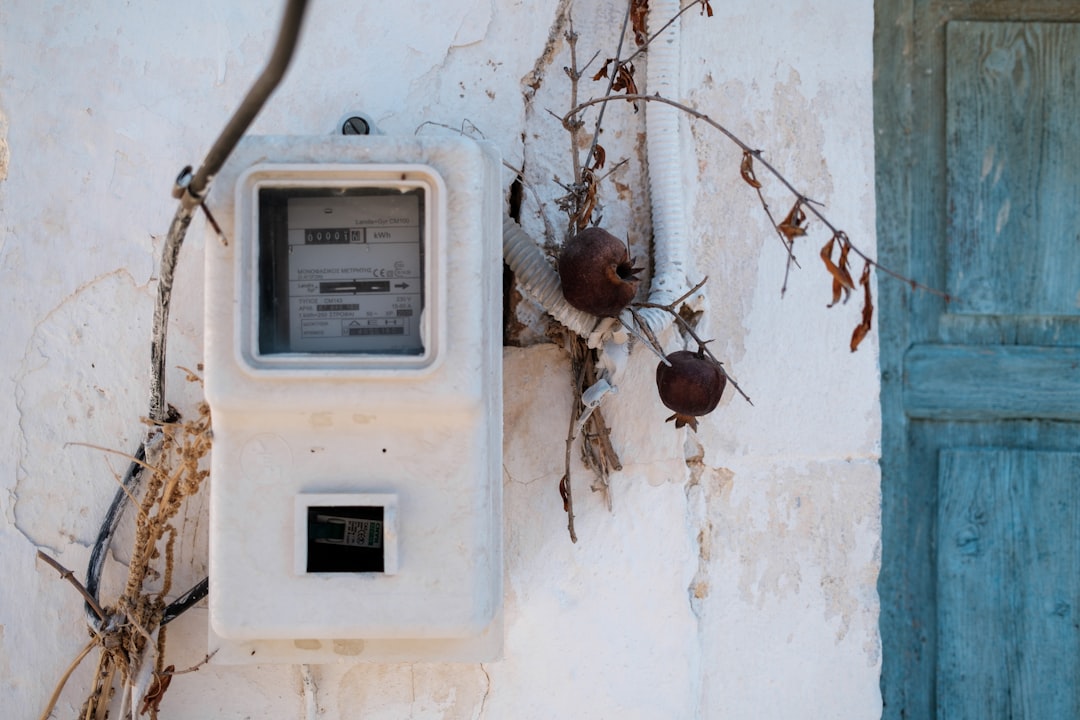
States with Formal Opt-Out Programs
These states have Public Utility Commission (PUC) or legislature-mandated opt-out provisions:
Arizona
- Opt-out available: Yes (APS, TEP, SRP)
- Fee: APS charges $5/month + $75 one-time removal fee
- How: Contact your utility directly
- Notes: Arizona Corporation Commission ordered opt-out availability in 2012
California
- Opt-out available: Yes (PG&E, SCE, SDG&E)
- Fee: CPUC-regulated: $75 setup + $10/month (CARE/FERA customers: $10 setup + $5/month)
- How: Contact utility or file through CPUC
- Notes: Most established opt-out program in the U.S. Over 140,000 Californians have opted out. Fees reduced in 2014 after public pressure.
Connecticut
- Opt-out available: Yes (Eversource, UI)
- Fee: Monthly fee varies by utility ($11-15/month)
- How: Contact utility customer service
- Notes: PURA Decision in 2013 established opt-out provisions
Georgia
- Opt-out available: Yes (Georgia Power)
- Fee: $12.50/month meter reading fee
- How: Submit request online or by phone to Georgia Power
- Notes: PSC approved opt-out in 2014
Hawaii
- Opt-out available: Yes (HECO, MECO, HELCO)
- Fee: Monthly fee applies
- How: Contact Hawaiian Electric
- Notes: PUC mandated opt-out provisions
Illinois
- Opt-out available: Yes (ComEd, Ameren)
- Fee: No monthly fee (one of the few free opt-outs)
- How: Contact utility; ComEd has online request form
- Notes: Illinois Commerce Commission preserved opt-out rights during smart grid rollout
Maine
- Opt-out available: Yes (CMP, Versant)
- Fee: $12/month for manual reading or $40 one-time for radio-off option
- How: Contact your utility
- Notes: PUC established tiered options: full analog replacement or smart meter with radio disabled
Maryland
- Opt-out available: Yes (BGE, Pepco, Delmarva)
- Fee: Varies by utility, typically $11-17/month
- How: Contact utility; PSC-regulated process
- Notes: PSC required all utilities to offer opt-out during AMI deployment
Michigan
- Opt-out available: Yes (DTE, Consumers Energy)
- Fee: $67.20 one-time + $9.72/month (DTE); varies for Consumers Energy
- How: Submit written request to utility
- Notes: MPSC ordered opt-out availability in 2013; Michigan has one of the most active opt-out communities
Nevada
- Opt-out available: Yes (NV Energy)
- Fee: $20.85/month meter reading charge
- How: Contact NV Energy customer service
- Notes: PUC of Nevada approved opt-out tariff
New Hampshire
- Opt-out available: Yes (Eversource, Liberty)
- Fee: One-time setup fee + monthly reading charge
- How: Contact utility
- Notes: PUC established provisions following deployment concerns
New Mexico
- Opt-out available: Yes (PNM)
- Fee: $25 one-time + $27.16/month
- How: Contact PNM
- Notes: One of the higher monthly opt-out fees in the nation
Oregon
- Opt-out available: Yes (PGE, PacifiCorp)
- Fee: $137 one-time + $36/month (PGE); PacifiCorp similar
- How: Contact utility directly
- Notes: Oregon has some of the highest opt-out fees in the country
Pennsylvania
- Opt-out available: Yes (PECO, PPL, Duquesne Light)
- Fee: Varies by utility; PUC-regulated rates
- How: File request with utility
- Notes: PUC Act 129 included opt-out provisions in smart meter deployment mandate
Texas
- Opt-out available: Limited
- Fee: Varies significantly by utility
- How: Contact your retail electric provider (REP)
- Notes: Deregulated market makes opt-out complex; some REPs accommodate, some don’t. Oncor (transmission/distribution) determines meter type in most areas.
Vermont
- Opt-out available: Yes (Green Mountain Power, VEC)
- Fee: $15/month (GMP); varies for VEC
- How: Contact utility
- Notes: PSB approved opt-out provisions
States with No Formal Opt-Out (or Utility-Discretion Only)
In these states, there’s no PUC-mandated opt-out. Your options depend on your specific utility’s policies:
| State | Status | Notes |
|---|---|---|
| Alabama | No formal program | Alabama Power deployed AMI; contact utility to inquire |
| Alaska | Limited deployment | Many areas still use analog; smart meter rollout is limited |
| Arkansas | No formal program | Contact utility directly; some accommodate case-by-case |
| Colorado | Utility discretion | Xcel Energy has accepted some requests; no PUC mandate |
| Delaware | No formal program | Delmarva Power follows Maryland rules for MD customers only |
| Florida | No formal program | FPL completed deployment; some customers retained analog |
| Idaho | Utility discretion | Idaho Power accommodates some requests |
| Indiana | No formal program | Contact utility directly |
| Iowa | No formal program | Limited smart meter deployment in some areas |
| Kansas | No formal program | Limited deployment |
| Kentucky | No formal program | Contact utility; LG&E/KU accommodate some requests |
| Louisiana | No formal program | Contact utility |
| Minnesota | Utility discretion | Xcel Energy in MN has accepted some requests |
| Mississippi | No formal program | Contact utility |
| Missouri | No formal program | Ameren Missouri has limited provisions |
| Montana | Utility discretion | NorthWestern Energy accommodates some requests |
| Nebraska | Public power state | Utilities are publicly owned; contact your local utility district |
| New Jersey | No formal program | JCP&L, PSE&G — contact utility |
| New York | No formal program | Con Edison, National Grid, NYSEG — contact utility; some have informal accommodations |
| North Carolina | No formal program | Duke Energy — contact utility |
| North Dakota | Limited deployment | Contact utility |
| Ohio | No formal program | AEP Ohio, FirstEnergy — contact utility |
| Oklahoma | No formal program | OG&E, PSO — contact utility |
| Rhode Island | No formal program | National Grid — contact utility |
| South Carolina | No formal program | Duke Energy, Dominion — contact utility |
| South Dakota | Limited deployment | Contact utility |
| Tennessee | No formal program | TVA system — contact local utility |
| Utah | Utility discretion | Rocky Mountain Power accommodates some requests |
| Virginia | No formal program | Dominion Energy — contact utility |
| Washington | Utility discretion | PSE, Avista — some accommodate requests |
| West Virginia | No formal program | Contact utility |
| Wisconsin | No formal program | WE Energies, WPS — contact utility |
| Wyoming | Limited deployment | Contact utility |
Important: Even in states without formal opt-out programs, individual utilities sometimes accommodate requests on a case-by-case basis. It never hurts to ask — but you may have no legal right to demand an analog meter.
Check your EMF exposure
See cell towers, power lines, and substations near any US address.
Search Your AddressThe Cost of Opting Out
Opt-out fees vary dramatically:
| Cost Level | Monthly Fee | One-Time Fee | States |
|---|---|---|---|
| Free | $0 | $0 | Illinois |
| Low | $5-10/month | $10-75 | California (CARE), Arizona |
| Medium | $10-17/month | $0-75 | California, Maryland, Connecticut, Vermont |
| High | $20-36/month | $25-137 | New Mexico, Nevada, Oregon |
Over a 10-year period, opt-out fees can add up:
- Illinois: $0
- California (standard): $75 + $1,200 = $1,275
- Oregon (PGE): $137 + $4,320 = $4,457
- New Mexico: $25 + $3,259 = $3,284
Critics argue these fees are punitive — designed to discourage opt-outs rather than cover actual costs. The cost of a manual meter reading ($3-5 per visit, 12 visits/year = $36-60/year) doesn’t justify fees of $200-400/year in many states.
How to Opt Out: Step-by-Step
Step 1: Identify Your Utility
Your electric bill shows your utility company. In deregulated states (Texas, Pennsylvania, parts of New York), you may have both a retail provider and a transmission/distribution utility — the T&D utility owns the meter.
Step 2: Check Your State’s Rules
Use the state guide above to understand whether you have a guaranteed right to opt out or if it’s at utility discretion.
Step 3: Contact the Utility
Call customer service or visit their website. Ask specifically:
- “I’d like to opt out of the smart meter program and request an analog meter.”
- “What are the fees associated with opting out?”
- “What is the timeline for meter replacement?”
Step 4: Get Everything in Writing
Request written confirmation of:
- Your opt-out approval
- The fee schedule
- The installation timeline
- What type of meter will be installed (analog or digital non-transmitting)
Step 5: Document the Meter Change
Take photos of your existing meter and readings before removal. Take photos of the new meter after installation.
Step 6: Verify No Wireless Transmission
Some utilities offer a “radio-off” option — they install a smart meter with the wireless radio disabled. This is cheaper but requires trust that the radio stays off. An RF meter can verify: hold it near the meter and check for periodic transmission pulses.
“Radio Off” vs. True Analog: Know the Difference
Some states offer two tiers:
| Option | What It Is | Cost | RF Emissions |
|---|---|---|---|
| True analog | Mechanical meter with spinning disc | Higher fee | Zero |
| Radio-off digital | Smart meter with wireless disabled | Lower fee | Should be zero (verify) |
| Non-communicating digital | Digital meter without wireless hardware | Moderate fee | Zero |
If EMF is your primary concern, a true analog meter or non-communicating digital provides the most certainty. A “radio-off” smart meter relies on software configuration that could theoretically be re-enabled remotely during firmware updates.
What About Water and Gas Smart Meters?
Electric smart meters get the most attention, but water and gas utilities are also deploying wireless meters:
- Water smart meters: Typically transmit at 900 MHz, fewer pulses per day than electric meters
- Gas smart meters: Similar technology, usually battery-powered with lower transmission frequency
Opt-out options for water and gas meters are even more limited than electric. Most water and gas utilities have no formal opt-out provisions. Contact your specific utility to inquire.
Does Opting Out Actually Reduce EMF?
Yes — but possibly less than you’d expect. Smart meter removal eliminates one RF source, but consider your overall EMF environment:
| Source | Typical Distance | Relative Exposure |
|---|---|---|
| Smart meter | 3–15 feet (through wall) | Low-moderate |
| WiFi router | 3–30 feet | Moderate (continuous) |
| Cell phone | 0–2 feet | High (during use) |
| Microwave oven | 2–6 feet | High (during operation) |
| Cell tower | 300+ feet | Low |
If you opt out of a smart meter but keep a WiFi router in the same room, the router likely contributes more to your total RF exposure because it transmits continuously rather than in brief pulses.
For a complete picture of your EMF exposure, try our EMF Exposure Budget Calculator to see how all your devices contribute to your daily total. You can also check our interactive map to see cell tower proximity to your address.
The Legal Landscape
Several legal principles are in play:
Property rights: Utility meters are typically owned by the utility company, not the homeowner, even though they’re on your property. This complicates “right to refuse” arguments.
Easement rights: Utilities hold easements granting them access to install and maintain metering equipment. However, some argue that easements for analog meters don’t automatically extend to wireless transmitting devices.
State PUC authority: Public Utility Commissions regulate metering standards. Where PUCs have ruled on opt-outs, those rulings carry legal weight. Where they haven’t, the default generally favors the utility.
Local ordinances: Some cities and counties have passed moratoriums or opt-out provisions independent of state PUC action. These have mixed legal durability but can provide additional protection.
Frequently Asked Questions
Can my utility force me to have a smart meter?
In states without formal opt-out programs, utilities may technically have the authority to require smart meter installation under their tariff agreements and state regulations. However, utilities rarely escalate to disconnection over meter disputes. Your practical leverage depends on your state’s regulatory environment and your utility’s policies.
Will I lose power if I refuse a smart meter?
Utility disconnection over smart meter refusal is extremely rare. Most utilities prefer to work with customers rather than face the PR and regulatory consequences of disconnecting service. However, some utilities have sent disconnection notices. If you receive one, contact your state PUC immediately.
Can a smart meter be making me sick?
Some individuals report symptoms like headaches, insomnia, and tinnitus after smart meter installation. The scientific evidence for “smart meter sensitivity” is mixed. Electromagnetic hypersensitivity (EHS) is recognized by the WHO as a real condition in terms of symptoms, though the causal mechanism is debated. If you believe a smart meter is affecting your health, opting out is the most direct remedy.
Do analog meters measure electricity less accurately?
No. Analog meters have been accurately measuring electricity for over a century. Smart meters are deployed for utility convenience (remote reading, real-time data, dynamic pricing) — not because analog meters are inaccurate.
Can my landlord refuse to let me opt out?
If you’re a tenant, the utility account holder (which may be the landlord or property manager) typically controls the meter. You may need your landlord’s cooperation or may need to have the utility account in your own name. Some states’ opt-out provisions apply to the account holder regardless of property ownership.
How much radiation does a smart meter actually emit?
A typical smart meter transmits at 0.5-1 watt, pulsing for 2-20 milliseconds at a time. Total daily transmission time ranges from a few seconds to several minutes depending on the utility’s network configuration. At 10 feet away through a wall, measured power density is typically 0.001-0.01 μW/cm² — well below FCC limits of 600 μW/cm². The concern isn’t any single pulse but the cumulative pattern of thousands of daily pulses over years of exposure. Learn more about how to measure EMF levels in your home.
Related Reading
- EMF-Free Activities for Kids: 75+ Screen-Free Games and Low-EMF Alternatives
- Smart Meter EMF Radiation — How Much and How to Reduce It
- EMF Exposure While Pregnant: What the Research Says and How to Reduce Your Risk
- Baby Monitor EMF Radiation: Should Parents Be Concerned?
Concerned about EMF? Check your address on EMF Radar to see nearby towers and power lines, or find a certified EMF consultant for professional testing.