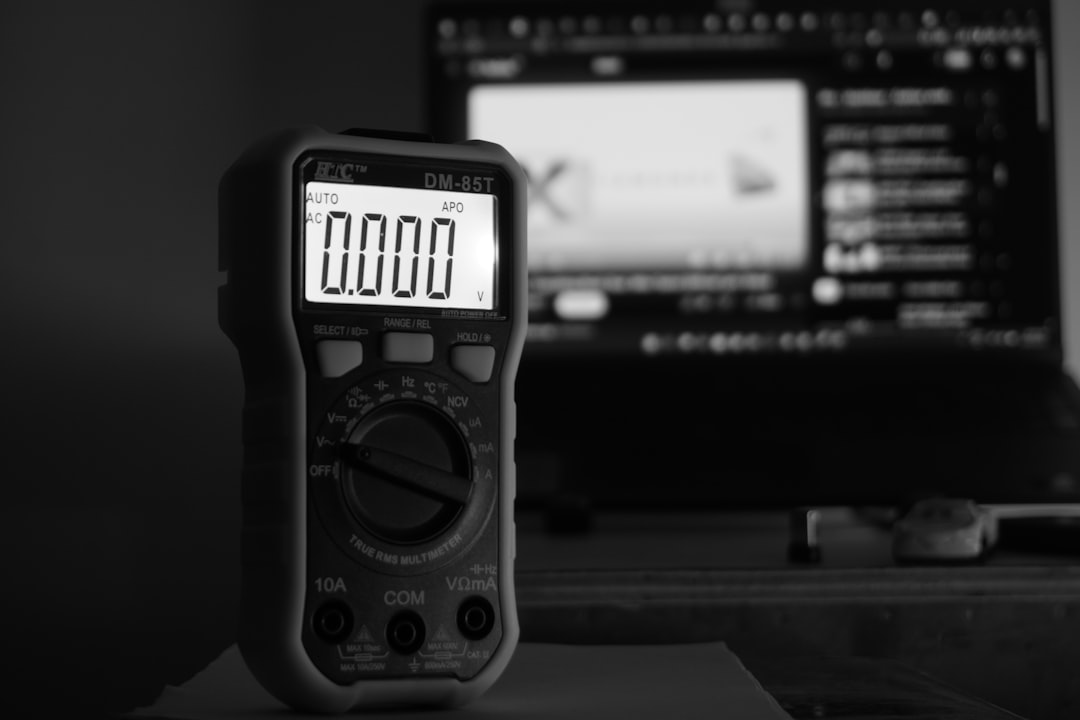
The Complete Guide to EMF Meters: TriField, Cornet, and More
Quick Answer: EMF meters detect electromagnetic fields in your environment, measuring radiation from power lines, appliances, Wi-Fi routers, and cell towers. The best meter for most people is a combo unit like the TriField TF2 ($170) or Cornet ED88T ($180), which measure multiple field types. RF-only specialists like the Safe and Sound Pro II ($400) offer superior accuracy for wireless radiation concerns.

Key Facts at a Glance
| Aspect | Details |
|---|---|
| Three EMF Types | Radio Frequency (RF), Magnetic/ELF, Electric Fields |
| Price Range | $100-$500 for quality consumer meters |
| Best Beginner Meter | TriField TF2 (~$170) |
| Best RF Specialist | Safe and Sound Pro II (~$400) |
| Best Budget Option | GQ EMF-390 (~$100) |
| Concerning RF Levels | Above 0.1 mW/m² for long-term exposure |
| Concerning Magnetic Field Levels | Above 1-2 milligauss (mG) for sleeping areas |
| Battery Life | Typically 8-20 hours depending on model |
Understanding the Three Types of Electromagnetic Fields
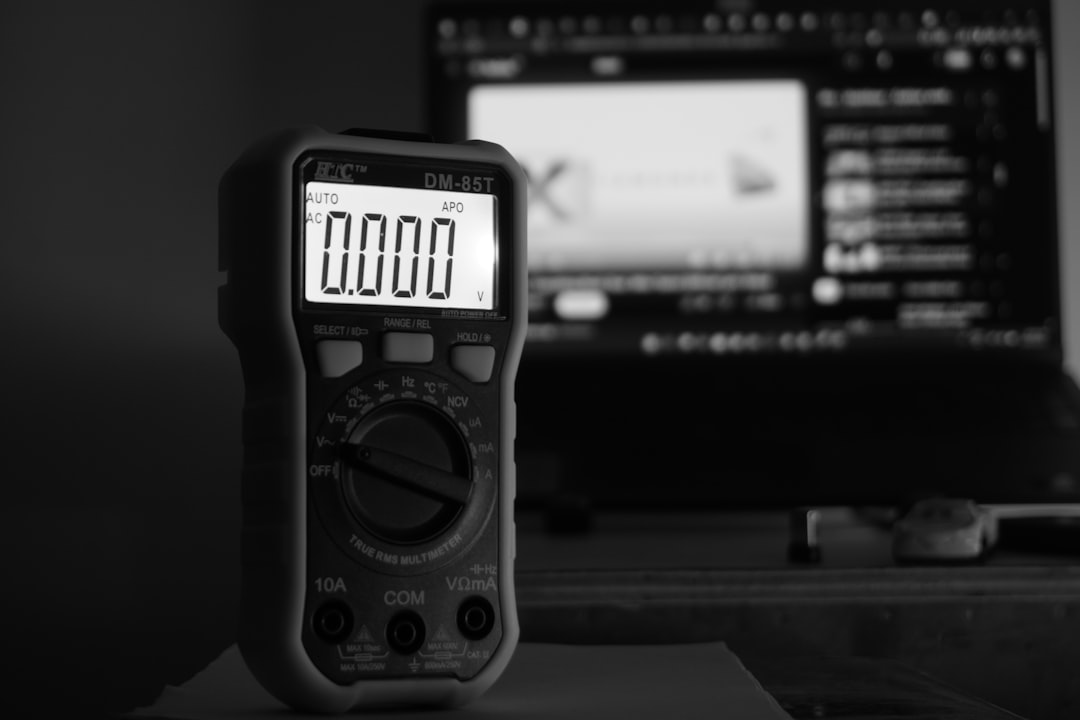
Electromagnetic fields exist on a spectrum ranging from extremely low frequencies to high-frequency radiation. EMF meters measure different portions of this spectrum, and understanding these distinctions is essential before purchasing any device.
Radio Frequency (RF) Fields
Radio frequency radiation spans from approximately 3 kHz to 300 GHz. This type of EMF comes from wireless communication devices including cell phones, Wi-Fi routers, Bluetooth devices, smart meters, cell towers, and 5G infrastructure. RF fields travel through the air and can penetrate walls, making them particularly relevant for anyone concerned about wireless technology exposure.
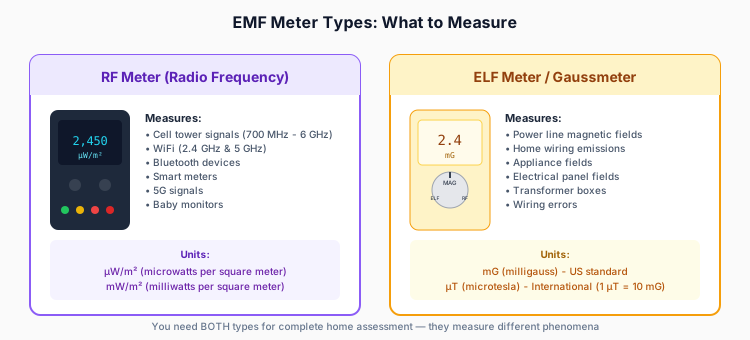
RF meters display readings in various units including milliwatts per square meter (mW/m²), microwatts per square meter (μW/m²), or volts per meter (V/m). The conversion between these units matters when comparing readings to safety guidelines or research thresholds.
Magnetic Fields (ELF/Low Frequency)
Magnetic fields in the extremely low frequency (ELF) range emanate from electrical current flow. Power lines, electrical wiring, appliances, motors, and transformers all generate magnetic fields measured in milligauss (mG) or microtesla (μT). These fields decrease rapidly with distance from the source but can penetrate most building materials.
The strength of magnetic fields depends on current flow rather than voltage. A device drawing significant current—like a vacuum cleaner, hair dryer, or electric heater—generates stronger magnetic fields than low-current electronics. Wiring errors in buildings can also create elevated magnetic field levels throughout a home.
Electric Fields
Electric fields result from voltage differences and exist whenever electrical wiring is present, even when no current flows. Measured in volts per meter (V/m), electric fields are created by live wires in walls, extension cords, lamps, and any plugged-in device. Unlike magnetic fields, electric fields can be shielded by building materials and grounded objects.
Many people overlook electric fields, yet they can be significant in bedrooms where unshielded wiring runs through walls near sleeping areas. Electric field exposure during sleep represents a considerable portion of total daily exposure for many individuals.
Check your EMF exposure
See cell towers, power lines, and substations near any US address.
Search Your AddressWhy You Need Different Meters (Or a Combo Unit)
No single meter technology can accurately measure all three EMF types. The sensors, circuitry, and calibration requirements differ substantially between RF detection and low-frequency field measurement. This reality forces buyers to choose between specialized meters for specific concerns or combo units that measure multiple field types.
The Case for Combo Meters
Combination meters offer convenience and cost savings for general EMF assessment. Rather than purchasing three separate devices, a combo unit provides a broad overview of electromagnetic conditions in any environment. For home inspections, identifying major EMF sources, and general awareness, combo meters represent excellent value.
The tradeoff involves accuracy and sensitivity. Combo meters typically sacrifice some precision compared to specialized devices, particularly in the RF range. Their frequency response may not capture all wireless signals equally, and their sensitivity floors may miss lower-level exposures that concern some users.
When Specialists Make Sense
Dedicated RF meters excel at detecting wireless radiation with greater sensitivity, wider frequency ranges, and more accurate readings. Someone specifically concerned about cell tower exposure, smart meter radiation, or 5G signals benefits from an RF specialist meter that captures these signals more precisely.
Similarly, professionals conducting building biology assessments or electromagnetic hygiene consultations often carry multiple specialized meters. The increased accuracy justifies the additional investment when precise measurements guide remediation decisions.
Deep Dive: Popular EMF Meters Compared
TriField TF2 (~$170)
The TriField TF2 has earned its reputation as the go-to recommendation for EMF beginners. This American-made combo meter measures all three field types with a clear analog-style digital display and intuitive operation.
What It Measures:
- Magnetic fields: 0.1-100 mG (40-1000 Hz)
- Electric fields: 1-1000 V/m (40-1000 Hz)
- RF/Microwave: 0.001-19.999 mW/m² (20 MHz-6 GHz)
Strengths: The TF2 features weighted measurements that emphasize frequencies most relevant to biological effects. Its magnetic field mode responds to actual field strength rather than just detecting presence. The backlit display works well in dim conditions, and the device feels solid in hand. Audio feedback through a built-in speaker helps locate EMF sources without constantly watching the screen.
Limitations: RF sensitivity falls short compared to dedicated meters. The TF2 may not detect lower-level RF exposures that specialized devices would capture. Its upper frequency limit of 6 GHz means some newer 5G frequencies go unmeasured. The meter lacks data logging capabilities, requiring manual recording of readings.
Best For: Beginners wanting one device to check their home, apartment hunters screening potential rentals, anyone seeking a reliable entry point into EMF measurement.
Cornet ED88T Plus (~$180)
The Cornet ED88T Plus packs impressive features into a compact, affordable package. This Taiwan-made meter has developed a devoted following among EMF-conscious consumers seeking more capability than basic models provide.
What It Measures:
- RF: 100 MHz-8 GHz
- Magnetic fields: 0.1-600 mG (50/60 Hz)
- Electric fields: 10-1000 V/m (50/60 Hz)
Strengths: The ED88T offers superior RF sensitivity compared to the TriField, detecting signals the TF2 might miss. Its frequency range extends to 8 GHz, capturing more wireless signals. The histogram display shows RF exposure over time, revealing patterns and peaks. An SMA connector allows attachment of external antennas for specialized measurements. The price-to-performance ratio ranks among the best available.
Limitations: Build quality feels less robust than competitors. The user interface requires learning, with multiple button presses needed to access different modes. Low-frequency measurements only capture 50/60 Hz, missing fields at other frequencies. Some users report inconsistent calibration between units.
Best For: Users wanting better RF detection than the TriField offers, those interested in tracking exposure patterns over time, budget-conscious buyers seeking maximum features per dollar.
Safe and Sound Pro II (~$400)
The Safe and Sound Pro II represents the gold standard for consumer RF measurement. Designed specifically for radiofrequency detection, this meter delivers professional-grade accuracy in a user-friendly package.
What It Measures:
- RF only: 200 MHz-8 GHz
- Peak and average readings simultaneously
- Sensitivity down to 0.0001 mW/m² (0.1 μW/m²)
Strengths: Exceptional sensitivity detects RF levels that combo meters completely miss. The simultaneous peak and average display reveals both sustained exposure and momentary spikes. Calibration accuracy meets professional standards, making readings meaningful for comparison to guidelines. The simple interface shows readings instantly without menu navigation. Build quality and reliability earn praise from long-term users.
Limitations: The substantial price increase over combo meters requires justification. Measuring only RF means additional purchases for low-frequency assessment. The device lacks data logging, Bluetooth connectivity, or smartphone integration. Its frequency range, while covering most common sources, misses some newer high-frequency 5G bands.
Best For: Anyone prioritizing RF measurement accuracy, those near cell towers or with smart meter concerns, users who found combo meter RF readings insufficient, professionals conducting assessments.
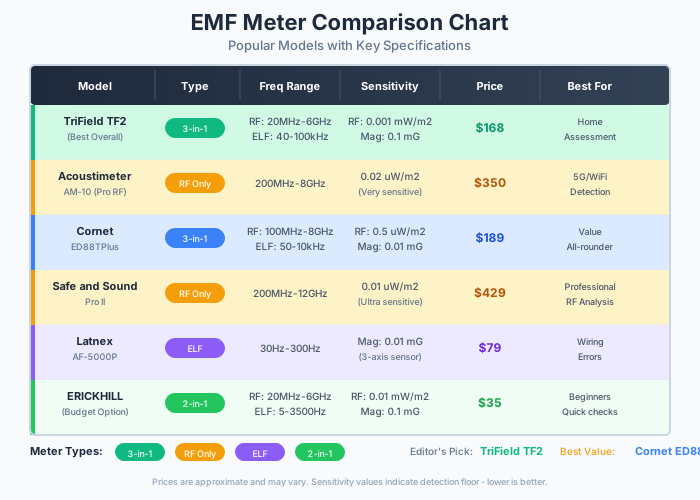
Acoustimeter AM-10 (~$350)
The Acoustimeter AM-10 focuses exclusively on RF measurement with an emphasis on audio feedback. British-made with careful attention to build quality, this meter has earned respect in the building biology community.
What It Measures:
- RF only: 200 MHz-8 GHz
- Sensitivity to 0.02 μW/m²
Strengths: Exceptional audio demodulation allows users to actually hear different RF signal types. The distinctive sounds of Wi-Fi, cellular, and other signals become recognizable with experience. Dual display shows both peak and average simultaneously on an easy-to-read LED bar plus LCD numerical display. Conservative design choices prioritize reliability over features. The carrying case and professional presentation suit consulting work.
Limitations: High price for an RF-only meter may not suit those also needing low-frequency measurement. The LED bar graph, while visible, provides less precision than full numerical displays. No data logging or connectivity features limit documentation options. Battery consumption runs higher than some competitors.
Best For: Building biology practitioners, users who want audio identification of signal sources, those prioritizing build quality and reliability over price, consultants needing professional presentation.
GQ EMF-390 (~$100)
The GQ EMF-390 delivers remarkable capability at a budget price point. This Chinese-made meter includes features found on devices costing three times more, though with corresponding tradeoffs.
What It Measures:
- RF: 20 MHz-10 GHz
- Magnetic fields: 0-2000 mG (up to 1000 Hz)
- Electric fields: 1-1000 V/m (50/60 Hz)
Strengths: Price accessibility puts EMF measurement within reach for nearly anyone. Built-in data logging with timestamp records measurements for later analysis. The RF frequency range extends beyond more expensive competitors. Real-time clock and date stamping support documentation efforts. GQ provides regular firmware updates adding features and improvements. USB connectivity enables data transfer to computers.
Limitations: Accuracy and calibration quality lag behind premium meters. Build quality feels appropriate for the price but not robust. The interface can be confusing with numerous modes and settings. RF sensitivity, while adequate for strong signals, may miss lower-level exposures. Customer support quality varies by report.
Best For: Budget-conscious beginners, those wanting data logging capability without premium pricing, users who understand accuracy limitations and want broad capability at minimal cost.
EMF Meter Comparison Table
| Meter | Price | RF | Magnetic | Electric | RF Range | Key Advantage | Key Limitation |
|---|---|---|---|---|---|---|---|
| TriField TF2 | $170 | ✓ | ✓ | ✓ | 20 MHz-6 GHz | Easiest to use, reliable | Lower RF sensitivity |
| Cornet ED88T Plus | $180 | ✓ | ✓ | ✓ | 100 MHz-8 GHz | Best value combo meter | Build quality concerns |
| Safe and Sound Pro II | $400 | ✓ | ✗ | ✗ | 200 MHz-8 GHz | Superior RF accuracy | RF only, high price |
| Acoustimeter AM-10 | $350 | ✓ | ✗ | ✗ | 200 MHz-8 GHz | Audio signal identification | No low-frequency measurement |
| GQ EMF-390 | $100 | ✓ | ✓ | ✓ | 20 MHz-10 GHz | Data logging, low price | Accuracy concerns |
How to Read EMF Meters and Interpret Results
Understanding meter readings requires context about measurement units, concerning thresholds, and the distinction between peak and average values. Numbers on a display mean little without this interpretive framework.
RF Measurement Units and Thresholds
RF meters commonly display readings in milliwatts per square meter (mW/m²), microwatts per square meter (μW/m²), or volts per meter (V/m). Converting between units helps compare readings to various guidelines:
- 1 mW/m² = 1,000 μW/m²
- 1 V/m ≈ 2.65 μW/m² (in the far field)
Building biology guidelines from the Institut für Baubiologie + Nachhaltigkeit (IBN) suggest:
- Below 0.1 μW/m²: No concern
- 0.1-10 μW/m²: Slight concern
- 10-1,000 μW/m²: Severe concern
- Above 1,000 μW/m²: Extreme concern
These guidelines prove far more conservative than government safety standards, which typically allow exposures thousands of times higher. Users must decide which framework matches their risk tolerance and concerns.
Magnetic Field Interpretation
Magnetic field readings appear in milligauss (mG) or microtesla (μT), with 1 μT equaling 10 mG. Building biology guidelines for sleeping areas recommend:
- Below 0.2 mG: No concern
- 0.2-1 mG: Slight concern
- 1-5 mG: Severe concern
- Above 5 mG: Extreme concern
Distance dramatically affects magnetic field readings. Taking measurements at various distances from suspected sources helps identify the actual source and determine safe distances.
Electric Field Considerations
Electric fields measured in volts per meter (V/m) require body voltage testing for complete assessment. Meter readings indicate field strength in air, while body voltage testing reveals actual exposure when present in that field. Building biology sleeping area guidelines suggest:
- Below 1.5 V/m: No concern
- 1.5-10 V/m: Slight concern
- 10-50 V/m: Severe concern
- Above 50 V/m: Extreme concern
Turning off circuits at the breaker panel can dramatically reduce electric field levels in bedrooms, a simple remediation step when elevated readings appear.
Peak vs. Average Readings
Modern wireless signals pulse rather than transmit continuously. A Wi-Fi router might produce average readings of 10 μW/m² while peak pulses reach 10,000 μW/m². Both numbers matter, yet their significance differs.
Average readings indicate overall exposure burden. Peak readings reveal maximum instantaneous exposure that biological systems must handle. Many researchers express concern about peak exposures specifically, arguing that biological effects may relate more to signal characteristics than simple power levels.
Quality meters display both peak and average readings, or at least offer both modes. Understanding which value your meter displays prevents misinterpretation of results.
Proper Measurement Technique
Accurate readings require consistent technique. Common mistakes include moving the meter too quickly, standing too close to the source during measurement, and not accounting for one’s own body affecting readings.
RF Measurement Protocol
Hold the meter at arm’s length with the antenna (usually the top) pointed toward suspected sources. Move slowly through spaces, pausing when readings increase to identify sources. Your body absorbs and reflects RF, so positioning matters. Take readings with the meter between you and the source for highest values.
Document readings at consistent distances from sources—one meter is standard for comparison purposes. Note time of day, as cellular traffic and smart meter transmission patterns vary.
Low-Frequency Measurement Protocol
Magnetic and electric field meters require proximity to sources for meaningful readings. Walk slowly along walls where wiring runs, noting any hotspots. Check appliances from multiple distances, documenting how readings decrease with distance.
For bedroom assessment, take readings at mattress level throughout the sleeping area. Electric fields require unplugging nearby devices and possibly testing with breakers off to isolate wiring contributions from appliance emissions.
Choosing the Right Meter for Your Needs
Matching meter choice to actual needs prevents both overspending and underequipping. Consider your primary concerns, technical comfort level, and budget when deciding.
For General Home Assessment
The TriField TF2 or Cornet ED88T Plus serves most general assessment needs. These combo meters identify major EMF sources without requiring expertise to operate. Either device helps apartment hunters screen potential homes, parents check children’s rooms, or anyone curious about their electromagnetic environment.
For Wireless Radiation Concerns
Those specifically worried about cell towers, smart meters, 5G, or Wi-Fi benefit from dedicated RF meters. The Safe and Sound Pro II provides the best combination of accuracy and usability for consumers. The Acoustimeter AM-10 offers an alternative with superior audio feedback for source identification.
For Professional Use
Building biology consultants and EMF professionals typically carry multiple meters. A combination might include the Safe and Sound Pro II for RF, a Gigahertz Solutions NFA1000 for low-frequency fields, and body voltage testing equipment for electric field assessment. This professional kit exceeds $2,000 but provides comprehensive measurement capability.
For Tight Budgets
The GQ EMF-390 offers the most capability per dollar. Accepting its accuracy limitations, users gain a functional tool for identifying EMF sources and general awareness. Upgrading later makes sense as understanding develops and specific concerns emerge.
Using EMF Data in Home Purchase Negotiations
If your EMF survey of a property reveals elevated readings, you have legitimate negotiation leverage:
- Document everything — Note readings by room, date, time, and meter used
- Reference property value research — Studies show 2-9% property value reduction near visible cell towers (read our full analysis)
- Get a professional assessment — A certified Building Biologist’s report (~$300-500) carries weight in negotiations
- Request remediation credits — RF shielding paint for one bedroom runs $500-1,000. Wiring corrections for magnetic field issues are typically $200-800
Home Buyer Survey Protocol
Here’s a practical walkthrough for measuring EMF at a property viewing:
Before You Visit
- Check EMF Radar — Search the property address on emfradar.com/map to identify all cell towers within 1 mile
- Check the power grid — Look at satellite imagery for high-voltage power lines, substations, or transformers near the property
- Charge your meter and familiarize yourself with its modes
The Room-by-Room Survey
For each room, take readings at:
- Center of the room (standing height)
- Near exterior walls (especially walls facing cell towers)
- Near the bed location in bedrooms (both standing and lying height)
- Near the electrical panel
- Near the smart meter (usually exterior wall)
Red Flags That Should Concern Buyers
- Magnetic field readings above 2 mG throughout the entire home — May indicate a wiring error that’s both an EMF issue and a potential electrical safety hazard
- RF readings above 100 µW/m² in bedrooms — Usually means a cell tower has direct line-of-sight to the bedroom. This won’t improve without RF shielding
- Dramatic reading differences between rooms — Large variations can reveal hidden sources
- Elevated readings that come and go — Intermittent spikes may indicate a nearby cell tower’s signal pattern. Use the peak hold feature to catch these
Common Measurement Mistakes to Avoid
New meter owners frequently make errors that compromise their readings. Awareness of these pitfalls improves measurement quality from the start.
Ignoring calibration needs: Professional meters require periodic calibration to maintain accuracy. Consumer meters lack field calibration options, making initial factory calibration their only reference. Purchasing from authorized dealers ensures proper initial calibration.
Conflating different field types: Finding high magnetic fields near a power line doesn’t indicate RF exposure. Each field type requires separate assessment and different meters or modes.
Single-point measurement: EMF levels vary dramatically within spaces. A reading from room center may differ substantially from readings near walls, windows, or appliances. Comprehensive assessment requires multiple measurement points.
Ignoring temporal variation: Cell tower traffic peaks during commute hours. Smart meters transmit in pulses. Some sources only operate periodically. Multiple measurements at different times reveal patterns that single snapshots miss.
Measuring in poor conditions: Low battery levels, extreme temperatures, and electromagnetic interference from nearby sources can affect readings. Following manufacturer guidelines for operating conditions ensures valid results.
Related Reading
- Understanding Smart Meter Radiation and How to Reduce Exposure
- Practical Steps for Creating a Low-EMF Bedroom
- Cell Tower Radiation: Distance, Danger, and What You Can Do
- 5G Technology Explained: Frequencies, Health Concerns, and Facts
Frequently Asked Questions
What is the best EMF meter for beginners?
The TriField TF2 earns consistent recommendation as the best starting meter. Its intuitive operation, clear display, and measurement of all three field types provide an excellent foundation for understanding your electromagnetic environment. The $170 price point represents reasonable investment for a quality instrument that many users keep for years.
Can one meter measure all types of EMF?
Combo meters like the TriField TF2, Cornet ED88T Plus, and GQ EMF-390 measure RF, magnetic, and electric fields in a single device. However, they sacrifice some accuracy compared to specialized meters, particularly for RF measurement. For general awareness and source identification, combo meters work well. For precise RF measurement, dedicated meters perform better.
What EMF levels are considered dangerous?
Safety standards vary dramatically between government agencies and independent research organizations. Government limits typically allow much higher exposures than building biology guidelines recommend. For sleeping areas, building biologists suggest keeping RF below 10 μW/m², magnetic fields below 1 mG, and electric fields below 10 V/m. These precautionary levels sit far below government limits.
How accurate are consumer EMF meters?
Quality consumer meters like the TriField TF2 and Safe and Sound Pro II provide accuracy suitable for identifying sources and making relative comparisons. They lack laboratory-grade precision but serve their intended purpose of home assessment. Budget meters may show greater variance between units and less reliable calibration. For legal or scientific purposes, professional-grade calibrated equipment is essential.
Do I need to measure all three types of EMF?
Assessment needs depend on your concerns and environment. Urban apartment dwellers near cell towers might prioritize RF measurement. Those near power lines or with suspected wiring issues should focus on magnetic fields. Complete assessment includes all three types, but starting with your primary concern makes practical sense.
How often should I take EMF readings?
Initial comprehensive measurement establishes baseline conditions. Subsequent measurements make sense when adding new electronic devices, moving to new spaces, noticing new cell tower construction, or experiencing changes in how you feel in specific locations. Smart meter transmissions and cellular traffic vary throughout the day, so morning and evening readings may differ.
The Bottom Line
EMF meters range from $100 budget options to $400+ specialized instruments, with the right choice depending entirely on your specific needs and concerns. For most beginners, the TriField TF2 ($170) offers the best balance of usability, reliability, and comprehensive measurement capability. Those specifically concerned about wireless radiation should consider the Safe and Sound Pro II ($400) for its superior RF sensitivity and accuracy.
Combo meters provide excellent value for general home assessment and source identification. Specialized RF meters deliver the precision needed when wireless radiation is the primary concern. Budget options like the GQ EMF-390 ($100) open EMF measurement to cost-conscious users, though with corresponding accuracy limitations.
Whatever meter you choose, remember that the device itself is just a tool. Accurate technique, proper interpretation of readings, and understanding of what numbers mean in context matter as much as the meter’s specifications. Start with comprehensive measurement of your living spaces, identify the most significant sources, and then research appropriate remediation strategies for any concerns your readings reveal.
EMF measurement represents the essential first step in understanding your electromagnetic environment. Armed with actual readings rather than assumptions, you can make informed decisions about technology use, sleeping arrangements, and any steps worth taking to reduce exposure.
Related Reading
- EMF Detector Apps: Can Your Phone Actually Measure EMF? — What phone magnetometers can and can’t do, and when you need a real meter
- Best EMF Meters for Home Use in 2026 — Our updated buying guide with detailed comparisons
- How to Read an EMF Meter: Beginner’s Guide — Room-by-room measurement protocols and reading interpretation
- EMF Blocking Phone Cases: Do They Work? — Physics-based analysis of shielding cases
Before you buy a meter, check what’s already nearby → Search your address on EMF Radar to see cell towers, power lines, and your estimated exposure score for free. Then use a meter to verify and measure specific sources indoors.