What Does a 5G Tower Look Like? A Visual Guide to Spotting 5G Infrastructure Near You

Here’s what a 5G tower actually looks like — and how to tell it apart from older cell infrastructure.
This Is a 5G Tower
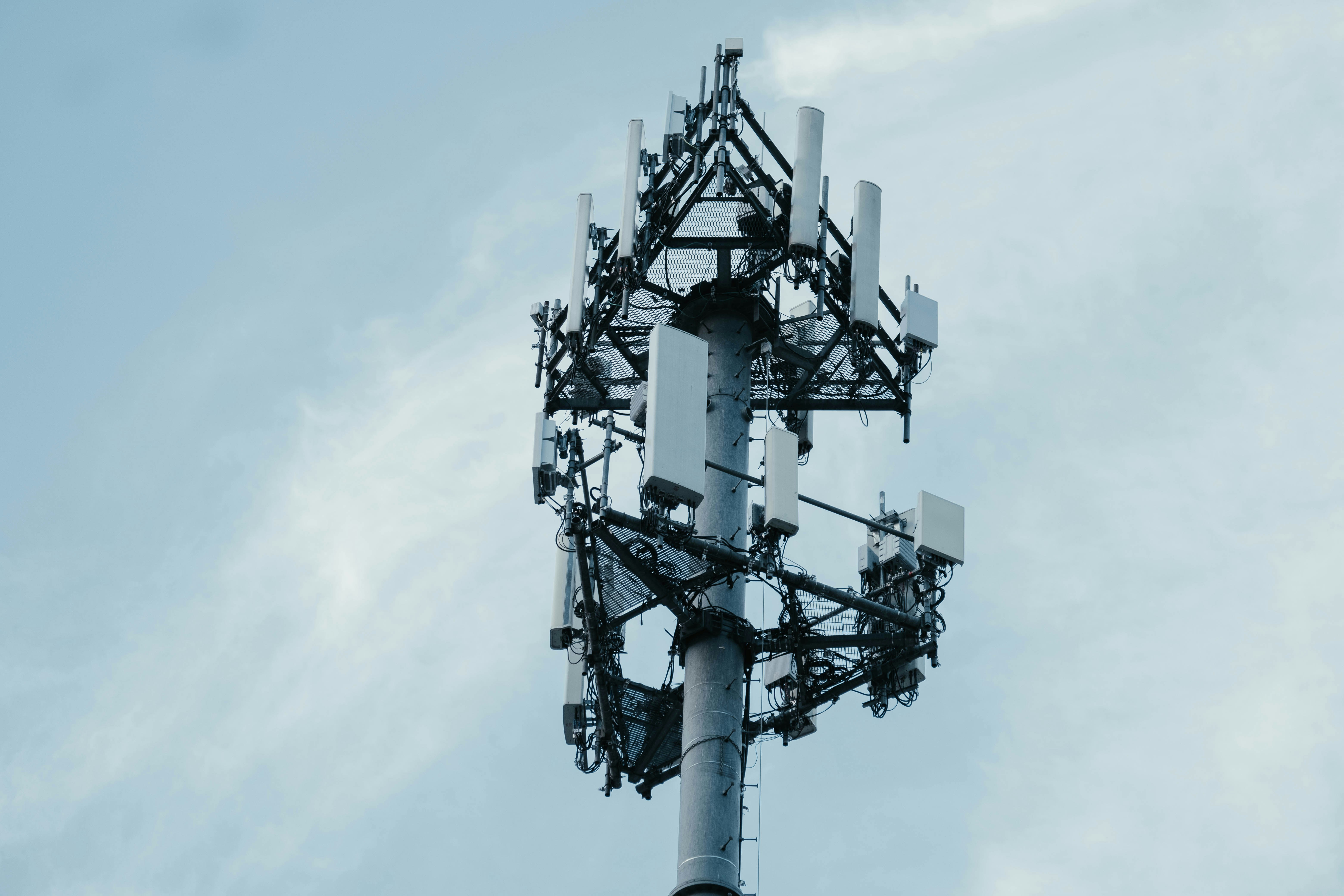 A 5G-upgraded monopole tower. Notice the wide, rectangular MIMO panels — these are the signature of 5G equipment. Older towers have narrower, cylindrical antennas.
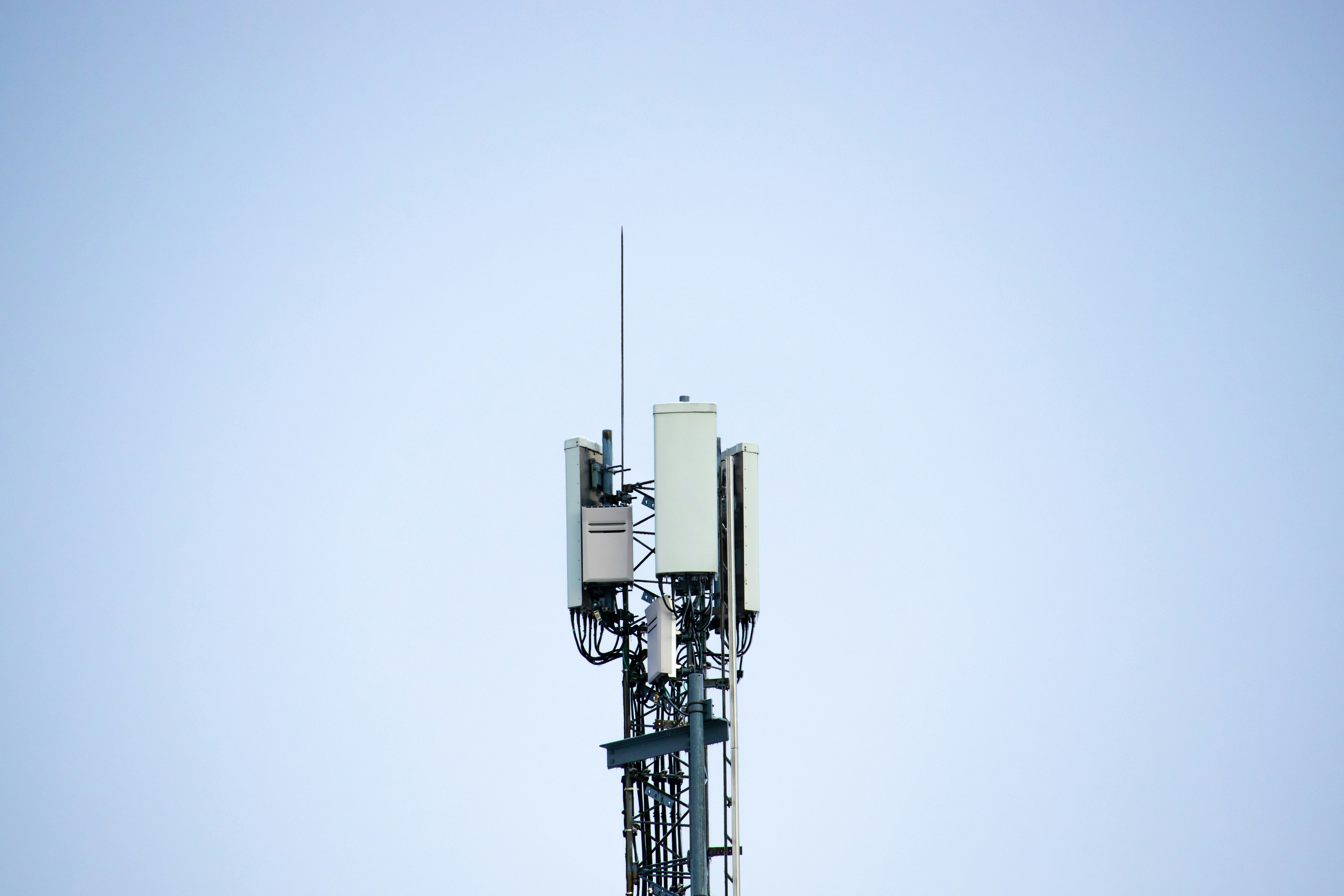 Close-up: 5G antenna panels are wider and more rectangular than older panels. These Massive MIMO arrays contain dozens of individual antenna elements packed into each panel.
This Is an Older (4G/3G) Tower
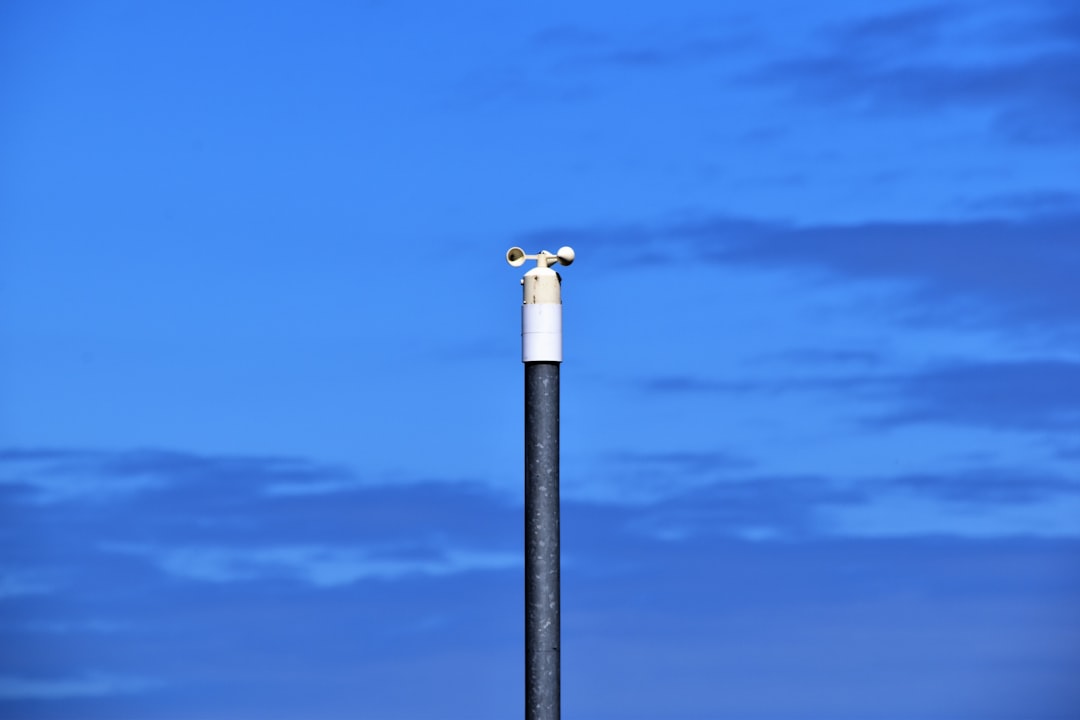
 A traditional lattice tower with narrow antenna panels and round microwave backhaul dishes. This is the “classic” cell tower most people recognize — typically 4G/3G equipment.
Check your EMF exposure
See cell towers, power lines, and substations near any US address.
Search Your AddressKey Visual Differences at a Glance
| Feature | Older 4G/3G Tower | 5G Tower |
|---|---|---|
| Antenna panels | Narrow, cylindrical | Wide, rectangular MIMO panels |
| Density | Fewer panels, spread out | More panels, densely packed |
| Tower type | Tall lattice or monopole | Same towers plus small cells on poles and rooftops |
| Spacing | Miles apart | Can be every 500-1000 ft in cities |
| Dishes | Large round microwave dishes common | Fewer dishes, more panels |
Now that you know what to look for, let’s go deeper into the different types of 5G infrastructure and where you’ll find each one.
If you’ve ever wondered why 5G infrastructure is so hard to spot, it’s by design. Much of it is small, discreet, and deliberately hidden in plain sight throughout your neighborhood. 5G uses higher-frequency radio waves that deliver faster speeds but can’t travel as far as older 4G signals — which is why there are so many more installations, in so many different form factors.
Type 1: Macro Towers (The Traditional Cell Tower)
These are the towers most people think of when they hear “cell tower.” They’re tall steel or concrete structures, typically 50 to 200 feet high, with visible antenna panels near the top.
What They Look Like
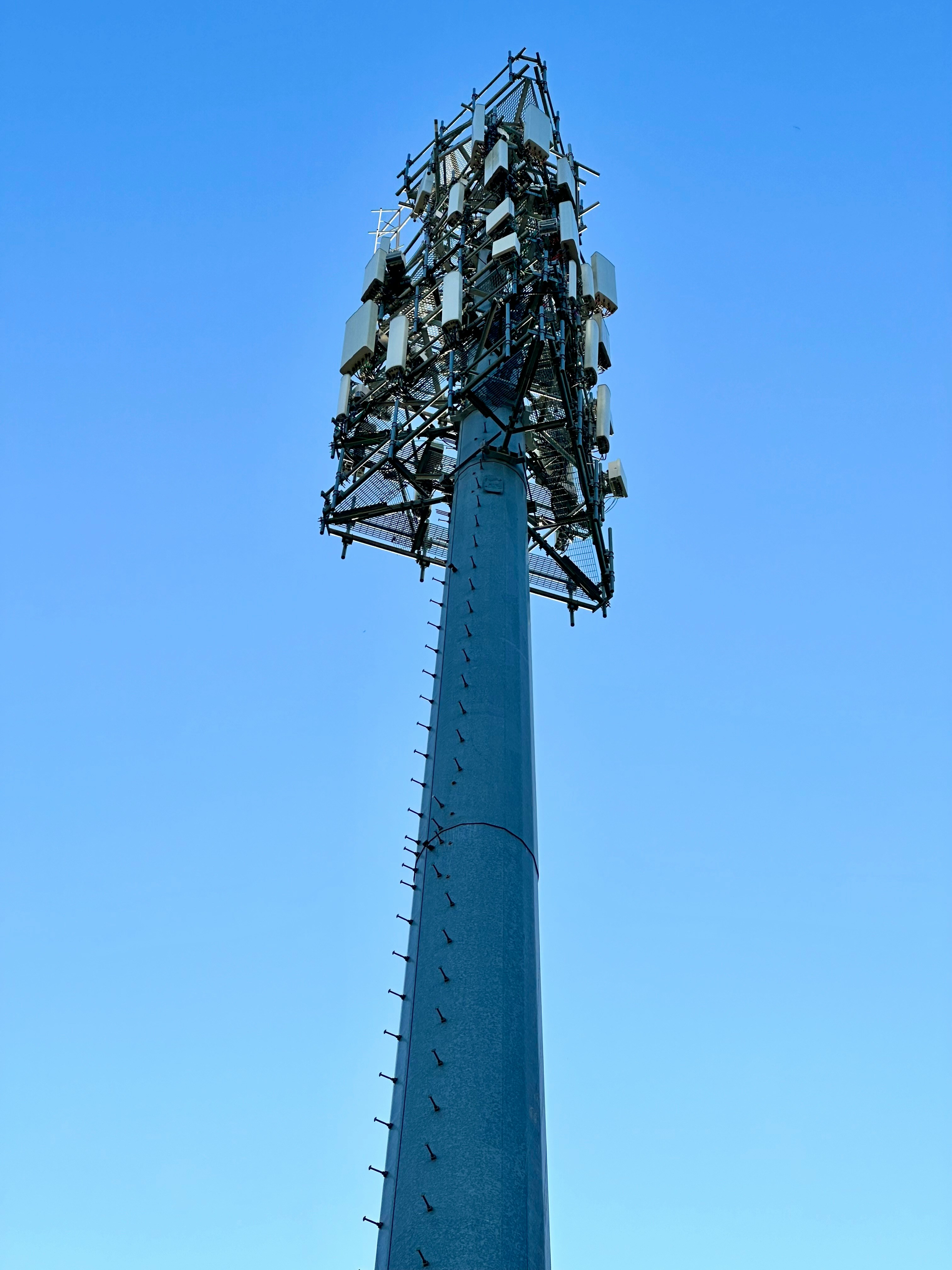 A heavily loaded monopole macro tower. Many existing 4G towers have been upgraded with additional 5G antenna arrays — so a tower you’ve driven past for years may now be broadcasting 5G without looking much different.
Macro towers are the most recognizable form of cell infrastructure. You’ll see a lattice steel tower or monopole with rectangular antenna panels mounted at the top, often with cables running down the structure and an equipment shelter at the base.
The key visual difference: 5G-equipped macro towers tend to have more antenna panels and sometimes a denser cluster of equipment at the top compared to older installations.
Where You’ll Find Them
Macro towers are most common in suburban and rural areas where coverage needs to span large distances. You’ll spot them along highways, in industrial zones, on hilltops, and sometimes behind commercial buildings. In suburban neighborhoods, they’re often set back from residential streets but still visible from a distance.
Coverage Range
A single macro tower can cover several miles, making them efficient for less densely populated areas. However, their 5G capabilities are typically limited to low-band and mid-band 5G frequencies, which offer better range but slower speeds compared to the millimeter wave small cells found in cities.
Type 2: Small Cells (The Hidden 5G Network)
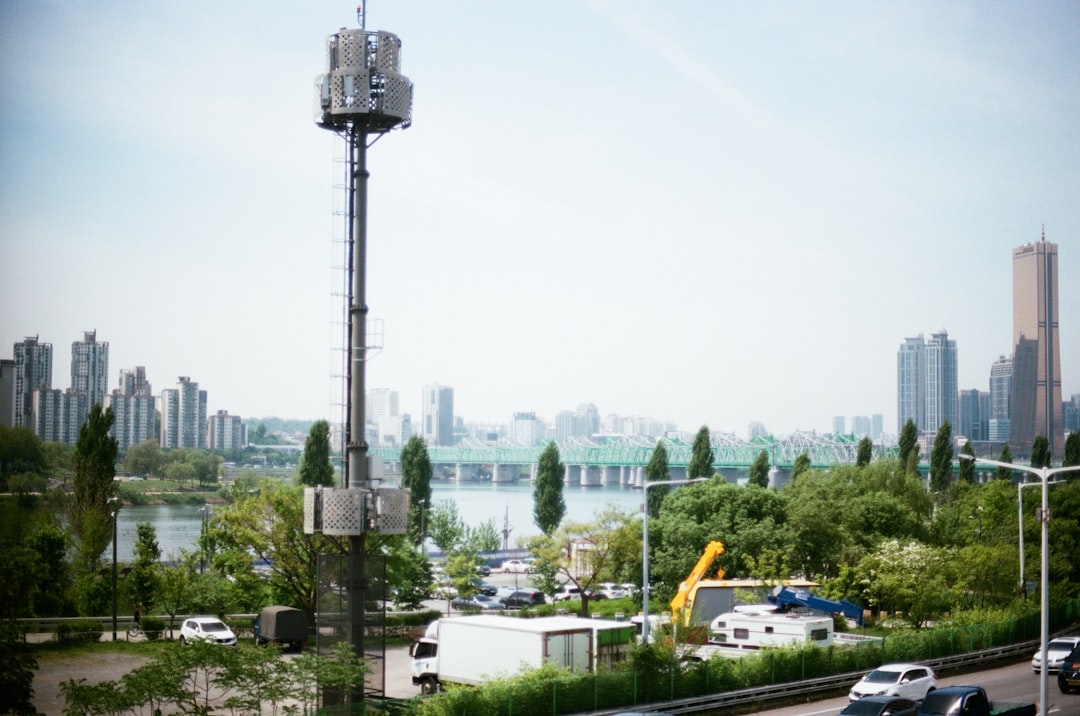
Small cells are the backbone of urban 5G networks, and they’re the reason many people can’t figure out where 5G is actually coming from. These compact units are designed to be inconspicuous, and carriers have gotten very good at hiding them.
What They Look Like
A typical 5G small cell is a rectangular or cylindrical device, roughly the size of a backpack or small suitcase. They’re usually gray, white, or beige to blend in with whatever they’re mounted on. Most people walk past dozens of them daily without ever noticing.
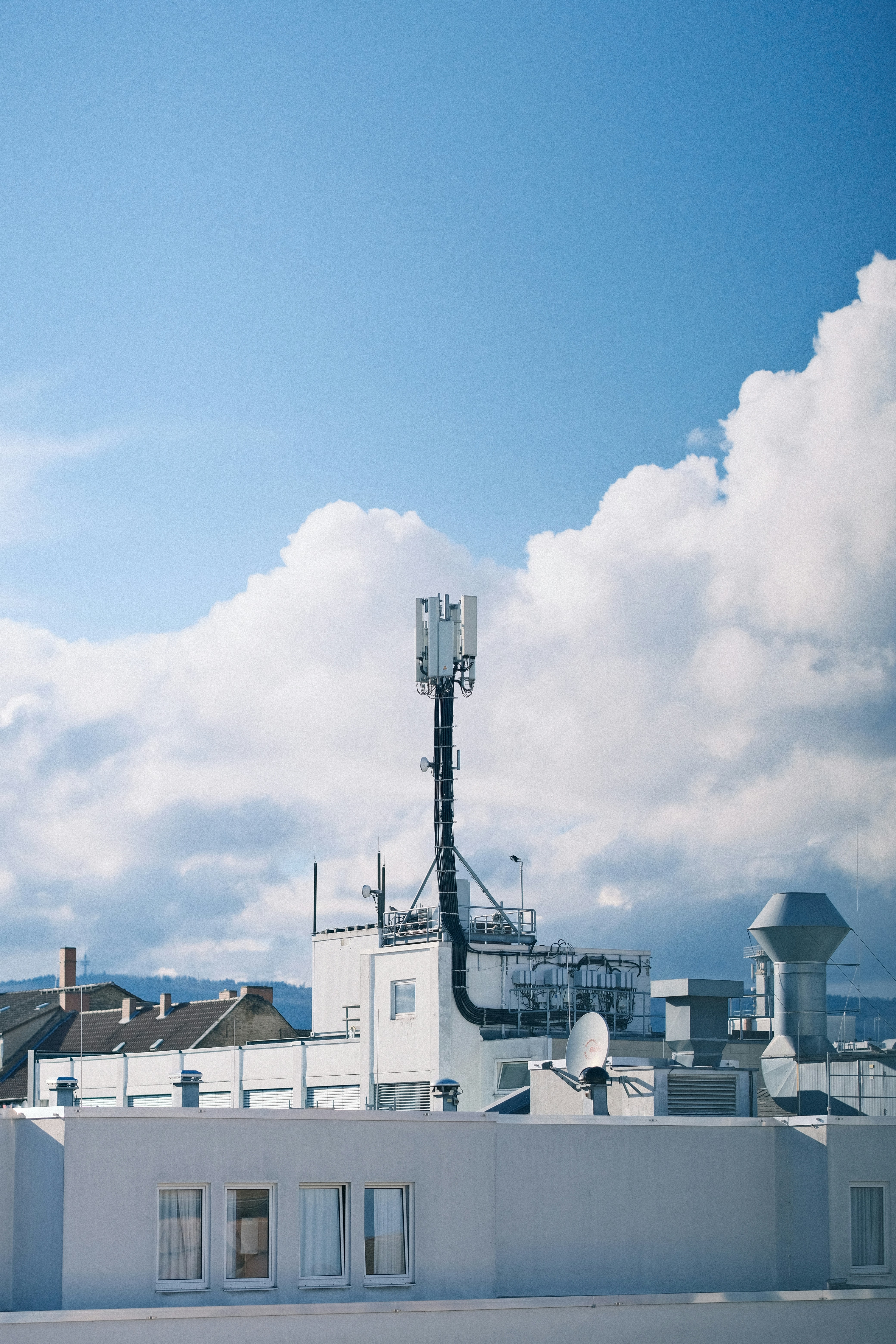 A rooftop cell installation that most people would never notice. These compact antenna setups are increasingly common on urban buildings.
You’ll often see them as a small box or canister attached to:
- Streetlights and light poles — the most common mounting point in urban areas
- Utility and telephone poles — often with a small antenna on top and an equipment box midway down
- Building walls and rooftops — especially on commercial buildings
- Dedicated short poles — some cities install new 20-30 foot poles specifically for small cells
How to Spot Them
Look for these telltale signs:
- A small rectangular or cylindrical box attached to a pole that wasn’t there before
- New wiring or cabling running down an existing pole
- A small antenna (often looks like a thin cylinder or panel) mounted at the top of a streetlight
- Equipment cabinets at the base of poles
The Three Types of Small Cells
Not all small cells are the same size. The industry breaks them down into three categories:
Femtocells cover the smallest area (roughly 30-165 feet) and are typically used inside homes and small businesses. These look like a Wi-Fi router and you probably won’t see them in public.
Picocells cover medium areas and are commonly found in airports, shopping malls, stadiums, and hotel lobbies. They’re slightly larger than femtocells and are often mounted on ceilings or walls inside buildings.
Microcells are the ones you’ll see outdoors. They cover up to about a mile and are frequently installed on lamp posts and utility poles. These are the small cells transforming urban streetscapes across the country.
Why They’re Everywhere
The math is simple: there are over 450,000 outdoor small cell nodes across the US, compared to roughly 210,000 traditional macro cell towers. In dense urban areas, small cells may be installed every 500-1000 feet to maintain coverage. That’s potentially one on every other block in a busy city.
If you live in an urban area, there’s a good chance you have multiple 5G small cells within a few hundred feet of your home. Most people just don’t know it because these devices are designed to be invisible.
Want to know what’s near your address? Use our EMF Exposure Map to see every cell tower and small cell within range of your home — and get an EMF exposure score for your location.
Type 3: Disguised and Stealth Towers
Telecom companies have become remarkably creative at hiding cell infrastructure. If you’ve ever looked at a tall pine tree and thought something seemed off about it, you may have been looking at a cell tower.
Common Disguises
 A cell tower disguised as a palm tree. Look closely: the round microwave dishes and rectangular antenna panels are clearly visible among the fake fronds. From a distance, you’d never notice.
Fake trees (monopines and monopalms) are the most well-known disguise. These are cell towers designed to look like pine or palm trees. They’re often slightly too symmetrical and the “branches” look artificial up close, but from a distance they blend into treelines surprisingly well. You’ll find these in suburban neighborhoods, parks, and along scenic roads.
Flagpoles are another popular option, particularly near schools, government buildings, and commercial properties. The antennas are concealed inside a tall, thick flagpole with an actual flag flying from the top.
Church steeples and clock towers sometimes conceal cell equipment inside architectural features. The antennas are hidden behind RF-transparent panels designed to match the building’s exterior.
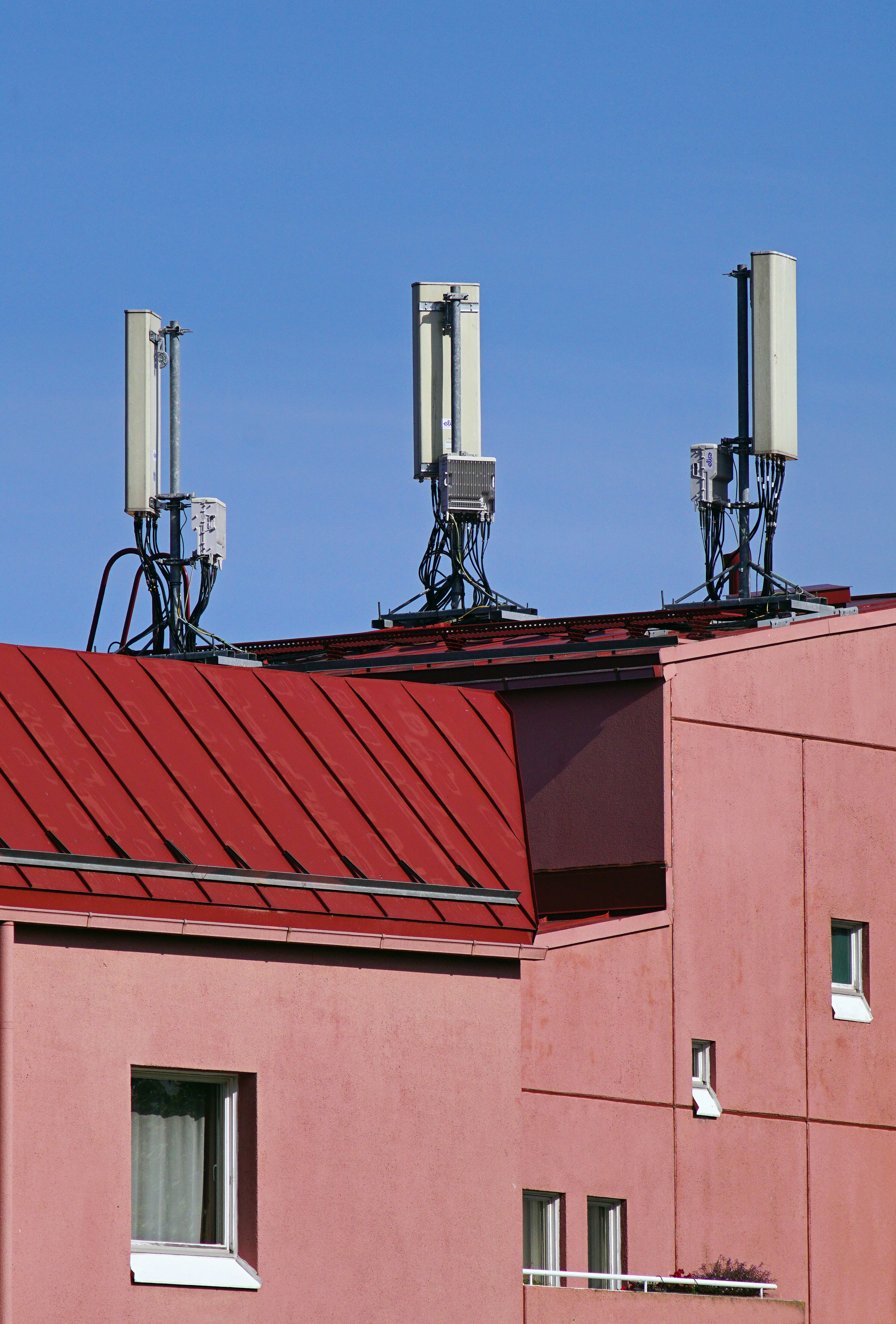 Cell antennas on an apartment building rooftop. From street level, you’d never know they’re there — but anyone living on the top floors is in close proximity.
Building-integrated antennas are facades, chimneys, or architectural elements that conceal antenna arrays. In cities, you might see a ventilation unit on a rooftop that’s actually a cell installation, or a decorative panel on a building wall hiding antenna equipment.
Fake cacti and rocks appear in desert climates like Arizona and Nevada, where a pine tree would look out of place.
Why This Matters for EMF Awareness
The trend toward hidden infrastructure means you may not realize how close you are to active cell equipment. A “streetlight” outside your bedroom window might actually be broadcasting 5G signals. A “tree” across the street from your child’s school could be a macro tower.
This isn’t about alarm — it’s about awareness. Understanding what’s around you is the first step to making informed decisions about your living environment.
Living in an urban area? We recommend periodically metering your environment to understand your actual EMF exposure levels in different rooms. You might be surprised how much levels vary within a single apartment depending on which direction your windows face.
How Buildings Shield You (And How They Don’t)
Here’s what most articles about 5G towers miss entirely: not all towers near you are actually reaching you. The building you live in, the buildings between you and the tower, and even which room you’re sitting in can dramatically change your actual exposure.
This matters because 5G signals — especially higher-frequency millimeter wave — are far more easily blocked by physical obstacles than older cellular technology.
What Blocks 5G Signals
Different building materials reduce signal strength by vastly different amounts:
| Material | Signal Reduction | What This Means |
|---|---|---|
| Reinforced concrete | 25-35 dB (up to 99.9% reduction) | Effectively blocks most 5G signal |
| Standard concrete wall | ~20 dB (99% reduction) | Major barrier, especially for mmWave |
| Brick | 10-15 dB per wall | Significant reduction |
| Low-E glass (energy efficient windows) | 33-42 dB | Nearly as effective as concrete |
| Plaster / stucco | 8-16 dB | Moderate reduction |
| Standard clear glass | 4-7 dB | Minimal reduction — signals pass through |
| Wood / drywall | 5-10 dB | Minimal reduction |
The key number to understand: a 10 dB reduction cuts signal strength by 90%. A 20 dB reduction cuts it by 99%. So a single concrete wall between you and a tower eliminates nearly all of the signal.
The Real-World Implications
This is where things get practical. Two people can live the same distance from a 5G small cell and have completely different exposure levels based on their physical environment:
Scenario 1: High exposure. You live in a high-rise apartment. There’s a 5G small cell mounted on a streetlight directly outside your bedroom window. Your windows are standard clear glass (only 4-7 dB reduction). The antenna is roughly level with your floor and has direct line of sight into your bedroom. This is the worst-case scenario — the signal is passing almost unobstructed into your living space.
Scenario 2: Naturally shielded. You live in the same building, same floor, but on the opposite side — facing away from the street. The signal has to pass through the entire building’s concrete structure to reach you. That’s potentially 40-50+ dB of reduction. Your exposure from that particular small cell is effectively zero, even though you’re technically the same distance from it.
Scenario 3: Mixed. You live in a ground-floor unit. There’s a macro tower 500 meters away, but three other buildings sit between you and the tower. Each concrete wall in between reduces the signal further. Meanwhile, a small cell you didn’t know about is mounted on a pole in your alley, with a clear line of sight to your kitchen window.
What This Means for You
The point isn’t to make you paranoid about every window. It’s that distance alone doesn’t tell the whole story. When evaluating your EMF environment, consider:
- Line of sight matters most. A tower 200 feet away with a concrete building between you is less of a factor than a small cell 50 feet away with a clear shot through your window.
- Windows are your weakest point. Standard glass barely reduces RF signals. If a tower has line of sight to your windows, that’s where the signal is getting in.
- The room you’re in matters. Bedrooms facing a tower may have significantly higher readings than rooms on the opposite side of the house.
- Modern buildings aren’t always better. Glass-heavy modern construction (floor-to-ceiling windows) lets in far more RF than older buildings with thick walls and small windows.
This is exactly why we recommend metering your living space room by room. An EMF meter will show you the real numbers — not just how close a tower is on a map, but how much signal is actually reaching the places where you spend the most time.
If you find elevated readings near windows that face cell infrastructure, RF-protective window film is one of the most effective interventions. Windows are the primary entry point for RF signals, and quality window film can reduce RF penetration by 90-99% while still letting light through.
How to Tell If a Tower Near You Is 5G
Not every cell tower broadcasts 5G. Here’s how to identify 5G-specific equipment:
Visual Clues
Antenna size and shape. 5G antennas, especially those using Massive MIMO technology, are wider and more rectangular than older antennas. They may look like a thick panel, roughly the size of a small window. Traditional 4G antennas tend to be narrower and more cylindrical.
Antenna density. 5G installations typically have more antenna elements packed into a given space. If a tower has notably more hardware at the top than you’d expect, it’s likely been upgraded to include 5G.
Recent installation date. If the infrastructure looks new — fresh paint, clean mounting hardware, new cables — there’s a good chance it’s 5G-related, since most new deployments are 5G-focused.
Equipment at the base. 5G installations often require additional power and fiber connections. Look for new equipment cabinets, power boxes, or fiber junction boxes near the base of a tower or pole.
What You Can’t Tell by Looking
You can’t determine the exact frequency a tower uses just by looking at it. Low-band 5G, mid-band 5G, and millimeter wave 5G all use different spectrum, and the visual differences in equipment are subtle. Similarly, you can’t assess your actual EMF exposure level from visual inspection alone — distance, obstructions, power levels, and the physical materials between you and the tower all play a role.
The most reliable way to understand your exposure is to check your address on our EMF map, which uses FCC tower registry data to calculate an exposure score based on the number, type, and proximity of towers near any US location.
5G Towers vs. 4G Towers: Key Visual Differences
| Feature | 4G Tower | 5G Tower |
|---|---|---|
| Height | 50-200 ft (macro) | 50-200 ft (macro) or 15-50 ft (small cell) |
| Antenna size | Narrow panels | Wider MIMO panels or compact boxes |
| Antenna count | Fewer, spread out | More, densely packed |
| Locations | Towers, rooftops | Towers, rooftops, streetlights, poles, walls |
| Spacing | Miles apart | Can be every 500-1000 ft in cities |
| Visibility | Usually obvious | Often hidden or disguised |
| Signal penetration | Passes through most materials | mmWave blocked by concrete, trees, rain |
The most important difference isn’t what they look like — it’s how many there are, how close they are, and whether they have a clear line of sight to your living space. A typical urban block in a major US city might have one or two 4G macro towers within a mile. That same block could have a dozen 5G small cells within a few hundred feet.
What About 5G Infrastructure Inside Buildings?
5G isn’t limited to outdoor installations. Many large buildings now have indoor 5G infrastructure:
Distributed Antenna Systems (DAS) are networks of small antennas installed throughout large buildings like malls, stadiums, hospitals, and office complexes. These look like small dome-shaped or rectangular devices mounted on ceilings, similar to smoke detectors or speakers.
Indoor small cells (including femtocells and picocells) may be installed in offices, hotels, and retail spaces. There are over 747,000 indoor small cell nodes across the US, meaning indoor 5G infrastructure is actually more prevalent than outdoor small cells.
If you spend time in large commercial buildings, you’re likely within close range of indoor 5G equipment — and unlike outdoor towers, there are no walls between you and the antenna.
How Close Are 5G Towers to Your Home?
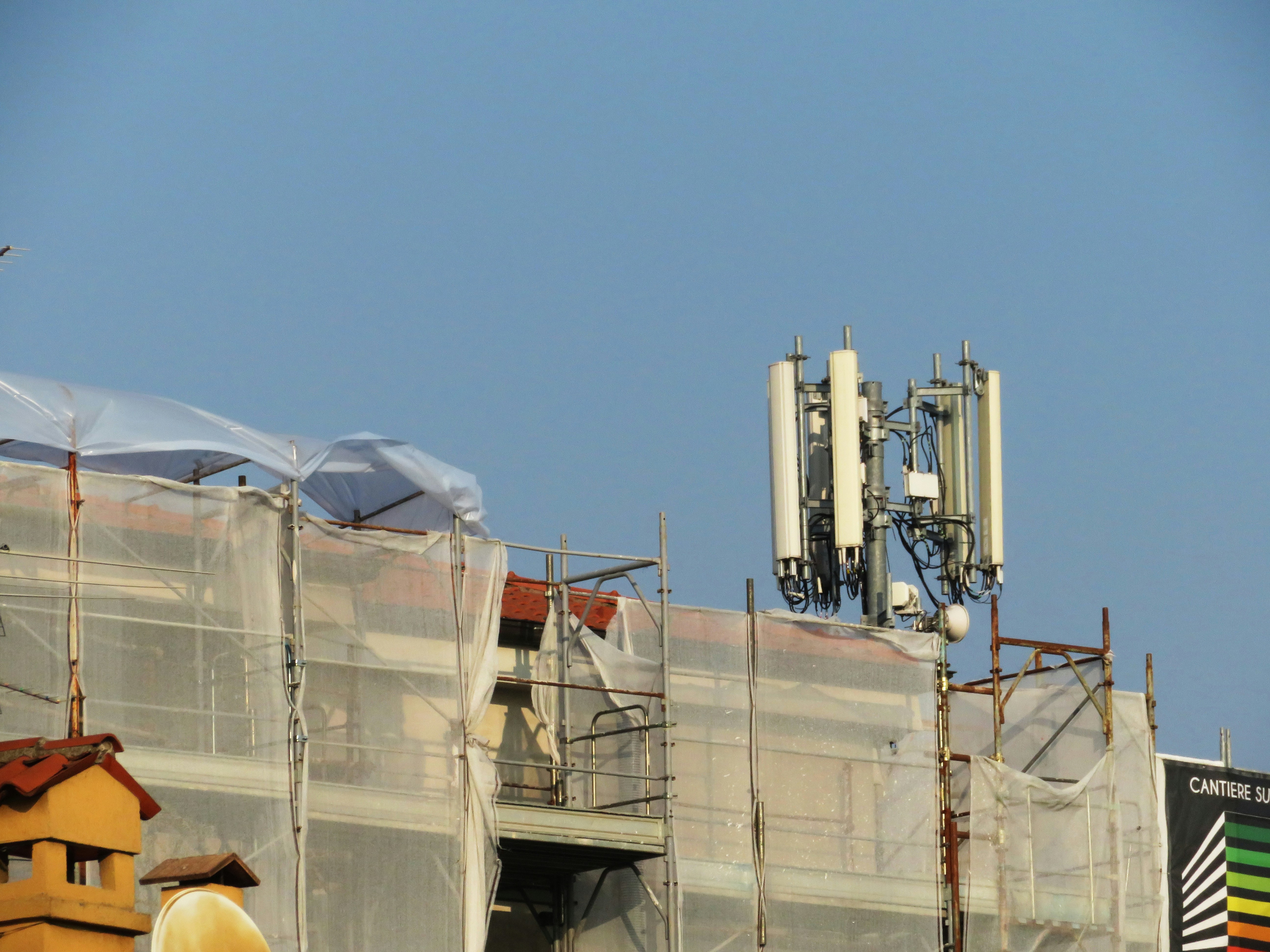
This is the question that matters most for people concerned about EMF exposure. Given the density of small cells in urban areas and the upgrade of existing macro towers in suburbs, most Americans live within meaningful range of some form of 5G infrastructure.
Consider these numbers:
- Over 210,000 macro cell towers across the US
- Over 450,000 outdoor small cell nodes
- Over 747,000 indoor small cell nodes
- New small cells being installed daily in every major metro
In a dense urban area, you may have 5G small cells within 100-300 feet of your home. In suburban areas, the nearest macro tower is typically within 1-3 miles.
But remember: proximity alone isn’t destiny. A tower 100 feet away behind a concrete building may be less of a factor than one 300 feet away with a direct shot into your living room windows. The combination of distance, line of sight, and building materials determines your actual exposure.
Find out exactly what’s near you. Enter your address in our EMF Exposure Map to see every cell tower within range, their network types, and your overall EMF exposure score. It takes 10 seconds and it’s completely free.
Practical Steps Once You Know What’s Near You
Step 1: Map Your Surroundings
Start by searching your address to see what towers and small cells are near your home. Note their locations relative to your building — particularly which ones have line of sight to your windows.
Step 2: Meter Your Home
Use an EMF meter to take readings in different rooms, especially:
- Rooms with windows facing nearby towers or small cells
- Bedrooms (where you spend 7-8 hours per night)
- Home offices or spaces where you spend extended time
- Compare readings near windows vs. interior walls
You’ll likely find that readings vary dramatically from room to room. A bedroom facing a small cell might read 10-50x higher than a room on the opposite side of the house.
Step 3: Address Problem Areas
If you find elevated readings in key living spaces:
- RF-protective window film is the highest-impact single intervention for most homes. Windows are the primary entry point for RF signals, and quality film can reduce penetration by 90-99% while maintaining natural light. This is especially important for bedrooms and home offices facing cell infrastructure.
- Rearrange your layout. If moving your bed or desk to the opposite wall — away from a window facing a tower — is practical, this simple change can significantly reduce exposure during sleep or work hours.
- Use shielding strategically. Focus on the rooms where you spend the most time, rather than trying to shield your entire home.
Step 4: Stay Updated
New cell infrastructure is being installed constantly. What’s near you today might change in six months. Periodic checks help you stay aware of changes in your environment.
Frequently Asked Questions
What does a 5G tower look like compared to a 4G tower?
5G macro towers look similar to 4G towers but typically have more antenna panels and wider MIMO arrays. The biggest visual difference is that 5G also uses small cells — compact devices the size of a backpack, mounted on streetlights and utility poles — which barely existed in 4G networks. You’ll also see more panels and equipment clustered together on upgraded towers.
Are 5G towers dangerous?
The scientific community continues to study the long-term health effects of RF radiation from cell towers. What’s well established is that exposure levels decrease with distance and physical shielding. A tower behind a concrete wall affects you far less than one with a direct line of sight to your window. Understanding what’s near your home and how much signal is actually reaching you helps you make informed decisions. Check your exposure score here.
How far does a 5G tower reach?
It depends on the type. Macro towers with low-band 5G can reach several miles. Mid-band 5G covers roughly 1-2 miles. Millimeter wave small cells have a range of only about 500-1000 feet, which is why they’re placed so densely in urban areas. However, range and exposure aren’t the same thing — mmWave signals can be blocked by a single concrete wall, a row of trees, or even heavy rain.
Can I see 5G towers on a map?
Yes. Our EMF Exposure Map shows cell towers near any US address, including their network type (5G, LTE, 4G, 3G) and proximity to your location.
How do I know if a small cell is near my house?
Look for small rectangular or cylindrical devices attached to streetlights, utility poles, or building walls near your home. Check for new equipment boxes at the base of poles or fresh cabling running down existing infrastructure. For a definitive answer, search your address on our map to see all registered cell infrastructure in your area.
Can 5G signals go through walls?
It depends entirely on the wall. Standard drywall and wood barely slow 5G down (5-10 dB reduction). Concrete reduces signal by 99% or more. Standard clear glass only blocks about 20-30% of the signal — which is why windows facing cell towers are the biggest exposure concern. Energy-efficient low-E glass, ironically, blocks RF almost as well as concrete due to its metallic coating. If you’re concerned about RF coming through your windows, RF-protective window film can achieve 90-99% reduction.
Does the direction a tower faces matter?
Yes. Cell tower antennas are directional — they broadcast in specific sectors, not equally in all directions. A tower panel aimed directly at your building delivers significantly more signal than one pointed away from you. This is another reason why mapping your surroundings and metering your actual exposure gives you better information than distance alone.
Do buildings between me and a tower reduce my exposure?
Absolutely. Every concrete wall between you and a tower reduces the signal substantially. If you’re in an urban area and there’s a large building between your home and a cell tower, that structure is acting as a significant shield. This is why your actual EMF readings can be low even when a map shows towers nearby — the physical environment matters as much as proximity.
Related Articles
- 5G Tower Map: How to Find Cell Towers Near You in 2026
- Are 5G Small Cells Dangerous? What the Science Says in 2026
- What Is a Safe Distance to Live From a Cell Tower?
- 5G Towers: Health Risks and What the Research Actually Says
Concerned about EMF exposure at your address? Search your location on our free EMF map to see nearby towers and get your exposure score in seconds.
Related Reading
- Are 5G Towers Dangerous? What the Research Shows (2026)
- Are 5G Small Cells Dangerous? What the Science Says in 2026
- 5G Tower Map: How to Find Cell Towers Near You in 2026
- What Is a Safe Distance to Live From a Cell Tower?
Related Reading
- 5G Towers Health Risks: What Does the Science Say? — Now that you can identify 5G towers, here’s what the health research actually shows
- Safe Distance from a Cell Tower — Research-backed guidance on proximity and exposure
- How to Measure EMF in Your Home — Take your own readings to see what’s actually reaching your home
- EMF Meters Complete Guide — Which meter to buy if you want to verify your exposure levels
- How to Reduce EMF at Home — Practical steps once you know what’s around you